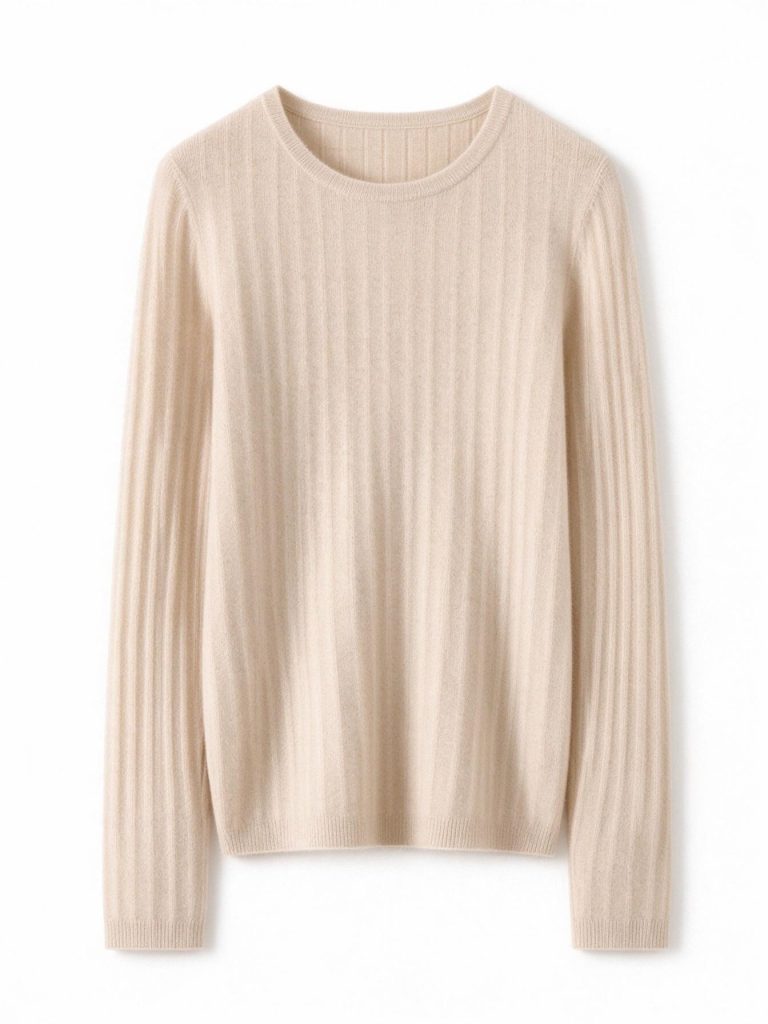
WOMEN'S SWEATER
Wholesale Women's Vertical Rib Cashmere Blend Sweater Factory
OEM & ODM
Available
Low MOQ
From 100 pcs
7-12 Days
Sampling
Worldwide
Shipping
- Material Composition
- 30% Cashmere, 70% Wool
- Gauge
- 14 Gauge
- Garment Weight
- 240 g
- Color
- Qing Rong Beige
- Knit Texture
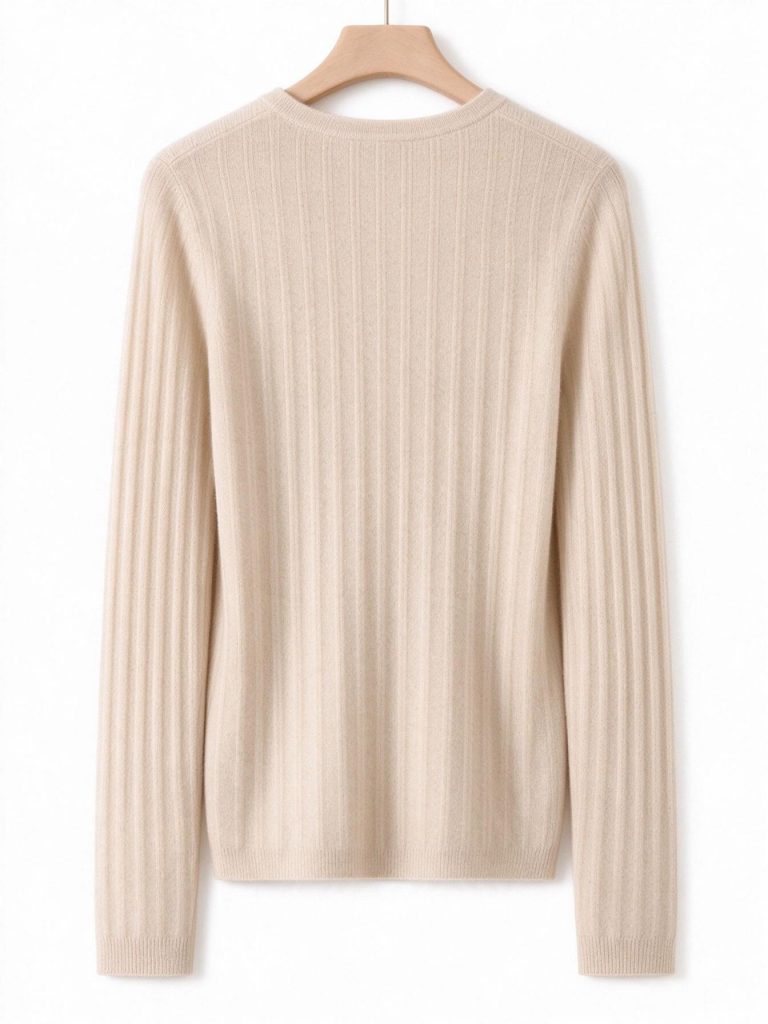
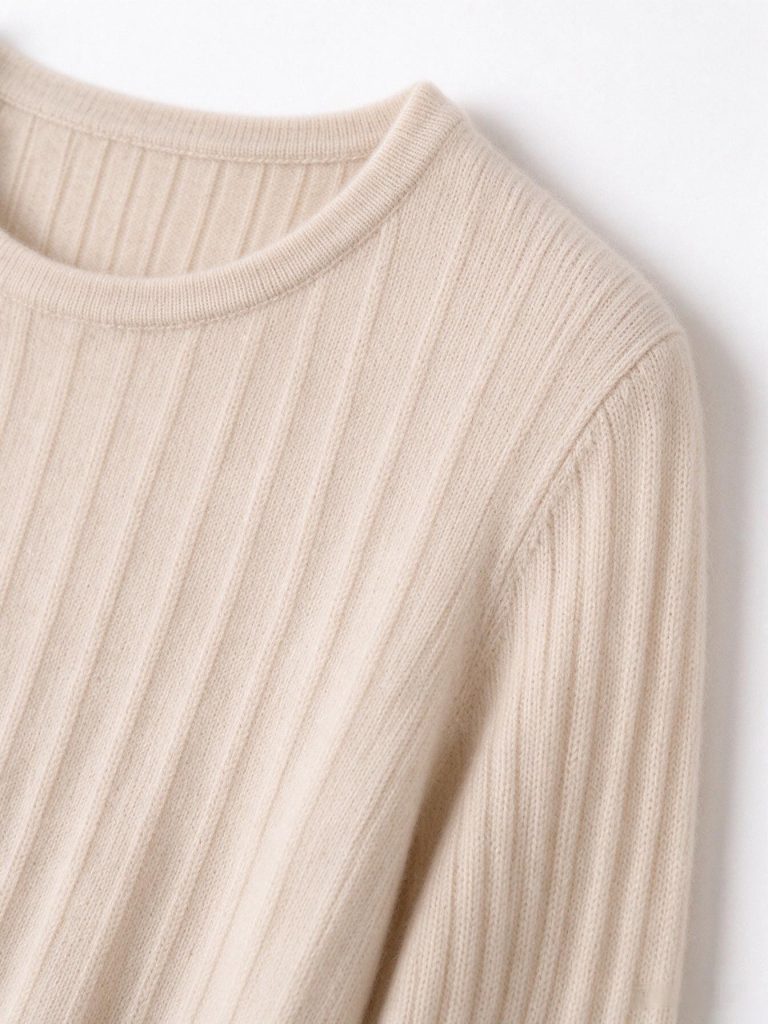
- Raised Vertical Rib
- Neckline
- Crew Neck
- Sleeves
- Long Sleeves
- Fit
- Slightly Relaxed
- Construction Direction
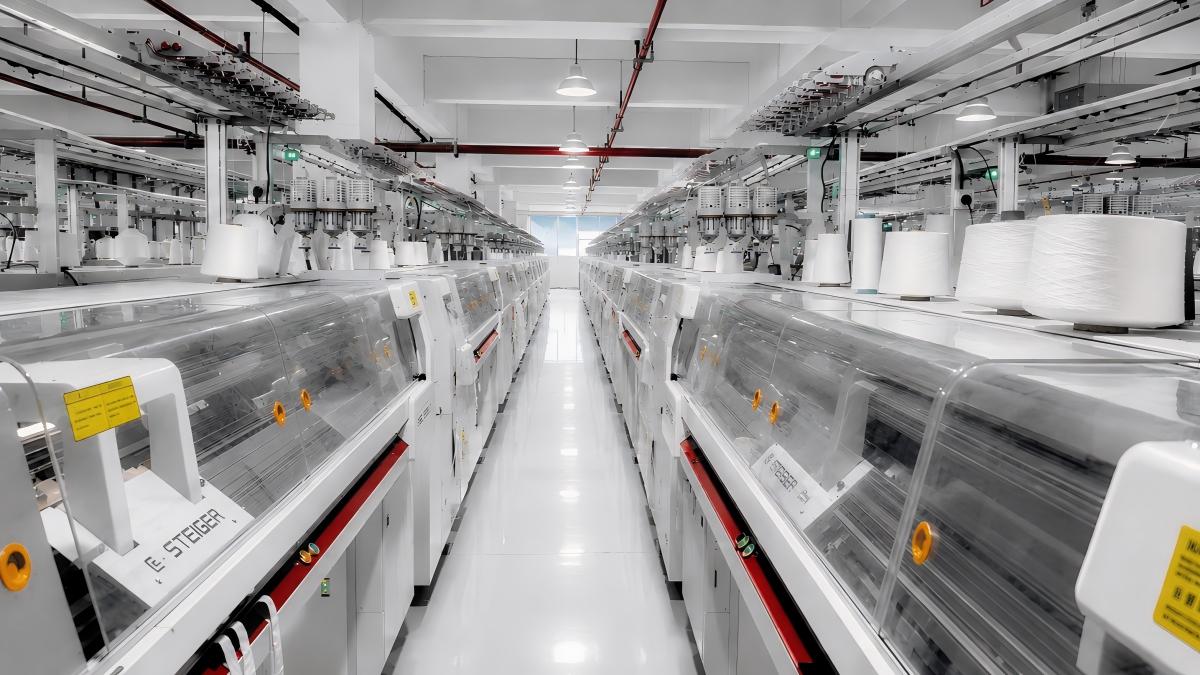
- Shima Seiki Fully Fashioned Seamless Vertical Rib Knit, subject to technical confirmation
PRODUCT OVERVIEW
Designed for women's knitwear collections, this crew neck pullover features a raised vertical rib texture that adds depth to a classic silhouette. The structured surface creates more visual interest than a conventional plain-knit sweater while maintaining a versatile design for everyday wear and seasonal styling. Made from 30% cashmere and 70% wool, the sweater uses a 14-gauge construction and has a garment weight of 240 g. Its slightly relaxed shape and Qing Rong Beige color make it suitable for brands developing understated knitwear with distinctive surface details. For overseas clothing brands, wholesalers, and apparel sourcing teams, this style offers a starting point for developing textured women's knitwear. Buyers can provide design references, technical packs, or physical samples to communicate requirements for knit structure, garment dimensions, and finishing before production begins.
CUSTOMIZATION OPTIONS
Rib Profile & Stitch Geometry Tuning
Customizing vertical rib profile, groove depth and repeating pitch. Programming fine micro-rib, deep structured rib or gradient variable rib layout. Adjusting stitch transfer sequences to modify elasticity and visual texture while retaining seamless whole-garment integrity.
Yarn Differential Feeding & Tension Mapping
Configuring dual yarn feeding for rib peaks and grooves. Assigning varied yarn count, twist or fiber blends between raised ridges and recessed channels. Tuning row-by-row yarn tension to balance handfeel, surface reflection and dimensional stability across the garment.
Segmented Rib Transition & Hybrid Knit Zoning
Designing directional rib transitions and mixed stitch zones on one seamless piece. Shifting rib orientation at shoulders, chest or hem areas. Merging vertical rib with subtle tuck stitch sections to create targeted compression without visible seams or obvious dividing lines.
Thermo-Set Shape Memory & Performance Finishing
Applying custom low-tension heat setting to lock rib geometry. Engineering shape memory to preserve rib pitch after repeated stretch and washing. Delivering bespoke finishing including softening, anti-pilling treatment and controlled matte/lustre modulation for rib knit surfaces.
Structural Reinforcement & Invisible Fiber Integration
Embedding ultra-fine reinforcing fiber inside selected rib columns. Strengthening high-load zones such as shoulder joints and torso sides. Reinforcing the knit structure while maintaining clean exterior rib appearance, compatible with bespoke fit grading and private label branding.
MANUFACTURING CAPABILITY
- ✓ Fully Fashioned Construction Feasibility: For knitwear with pronounced vertical rib structures, development can begin with a review of the design reference, target measurements, and intended construction method. Where a Shima Seiki fully fashioned approach is specified, the technical requirements for rib placement, garment shaping, and joining areas should be evaluated together. This helps establish a practical production approach rather than relying on appearance references alone.
- ✓ Knitting Program and Specification Coordination: Knitwear construction requirements need to align with the measurement chart, approved sample, and production documentation. For vertical rib styles, relevant information can include the placement of textured sections, structural transitions, and key measurements across the size range. Clear technical references help maintain consistency between development and production preparation.
- ✓ Production Issue Analysis: If irregular rib definition, measurement deviations, or appearance issues occur during production, the problem should be reviewed against the approved sample and applicable production records. Documenting the affected area, the nature of the issue, and its scope helps the factory and buyer evaluate possible adjustments and agree on the next steps.
- ✓ Order Batch and Quality Record Management: Style numbers, specification versions, approved samples, and inspection records can be maintained for individual orders and production batches. These references help distinguish design changes from manufacturing deviations and provide a clearer basis for reviewing quality concerns.
- ✓ Cross-Functional Technical Communication: Knitwear projects may involve design, technical development, purchasing, and quality inspection teams. Organized specification files, issue lists, and confirmation records help each team work from the same product requirements. This is particularly valuable for styles involving specialized knit structures or fully fashioned construction.
- ✓ Seasonal Collection Development Support: For brands planning related styles across a seasonal collection, confirmed technical requirements, measurement standards, and construction references can support subsequent development. Each new style should still be assessed according to its own structure and approved sample rather than automatically applying the specifications of an existing garment.
RELATED PRODUCTS
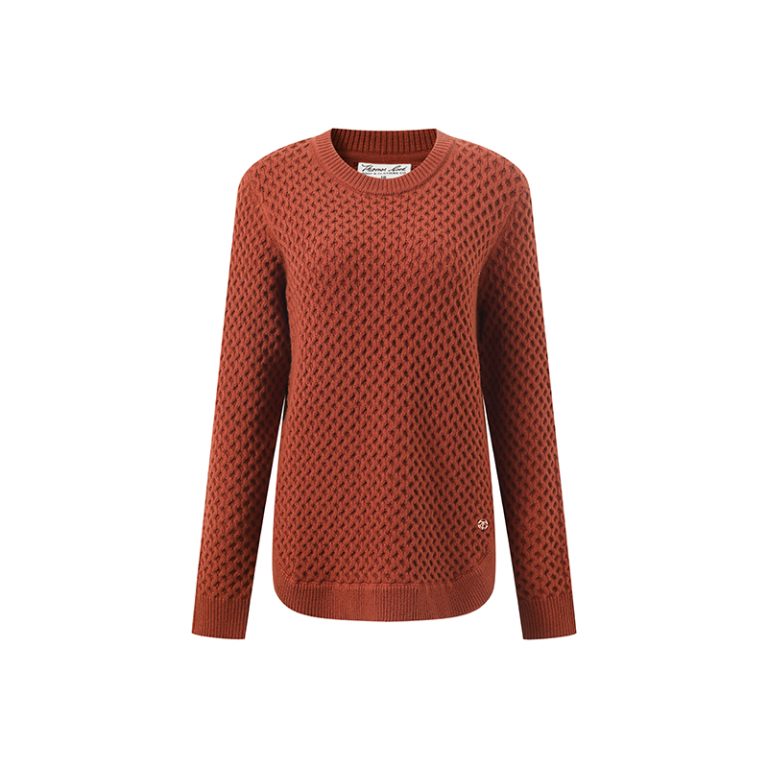
Heavyweight Merino Wool Sweater Manufacturer China | Women's Wool Cotton Knitwear
VIEW MORE →
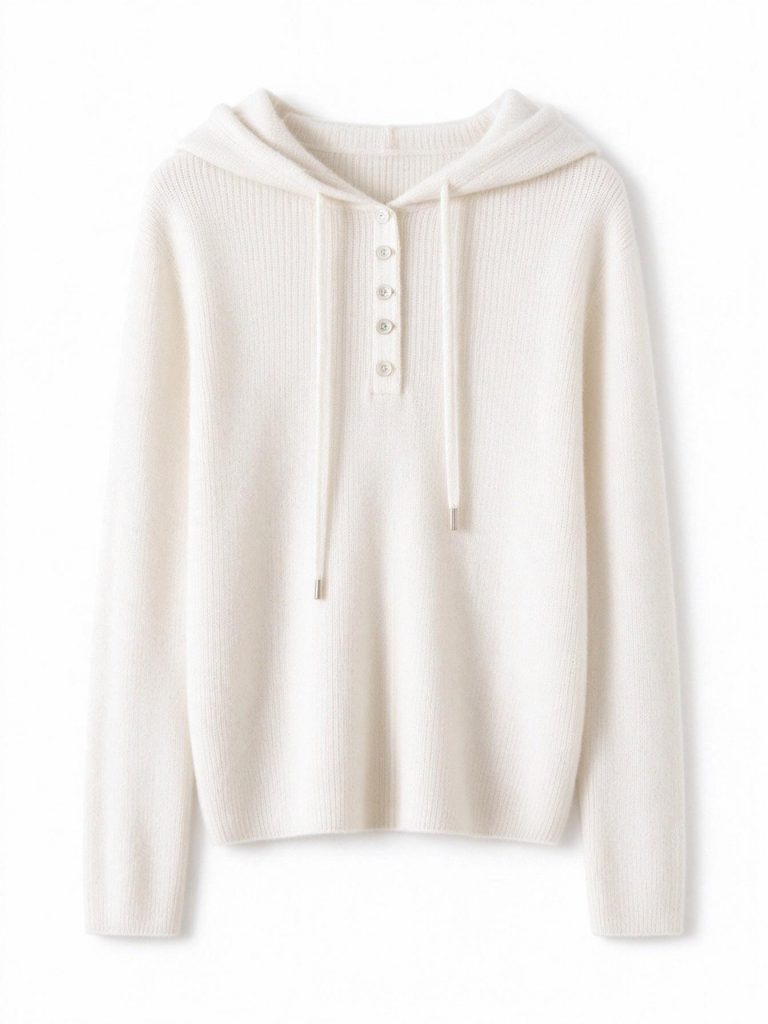
Bulk Women's Cashmere Blend Ribbed Hooded Sweater Manufacturer
VIEW MORE →
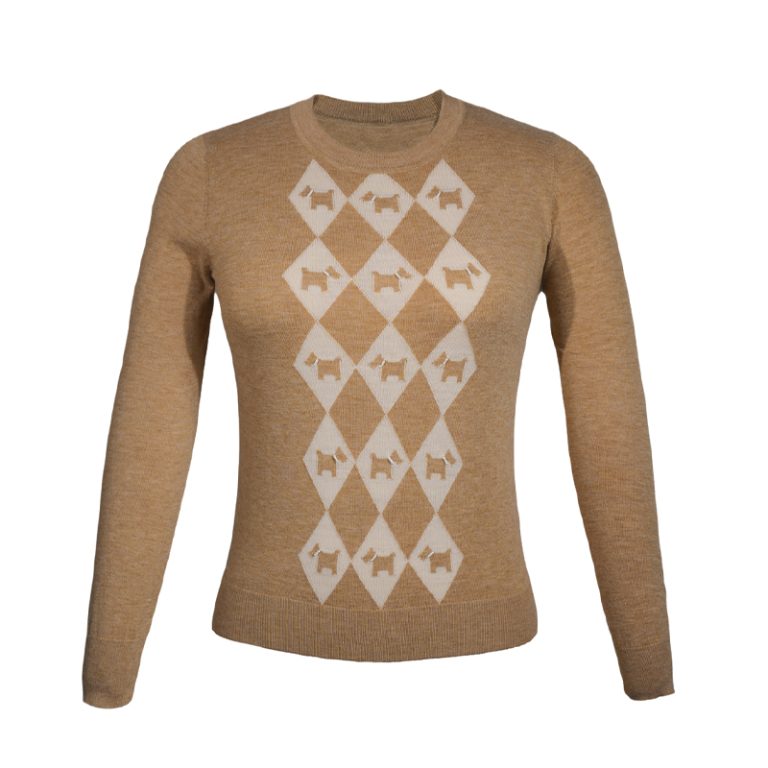
Volume Sourcing Women's Dog Jacquard Pullover Factory
VIEW MORE →
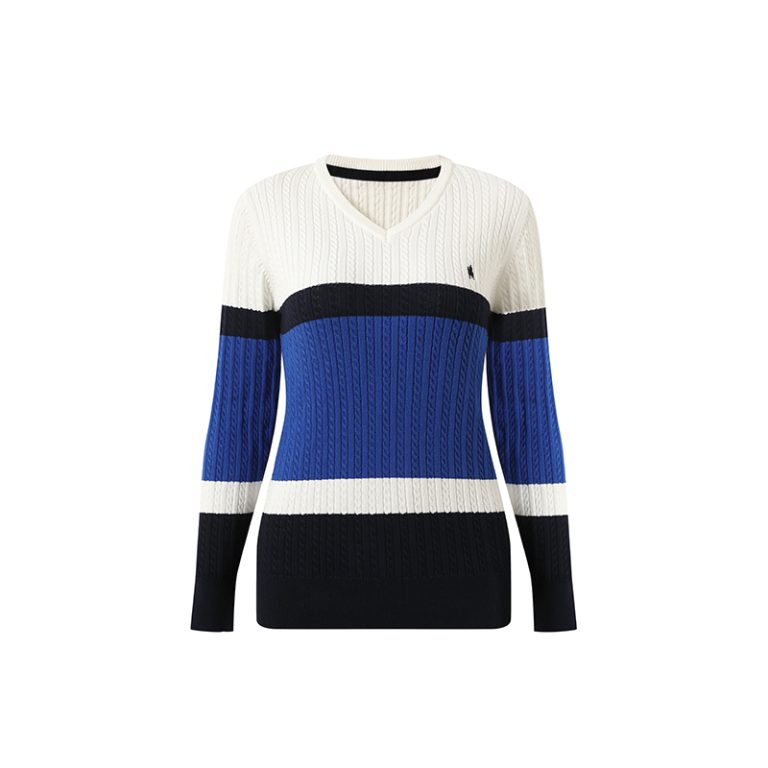
Women's 12GG Cotton Blend Cable Knit V-Neck Sweater | OEM Manufacturer
VIEW MORE →