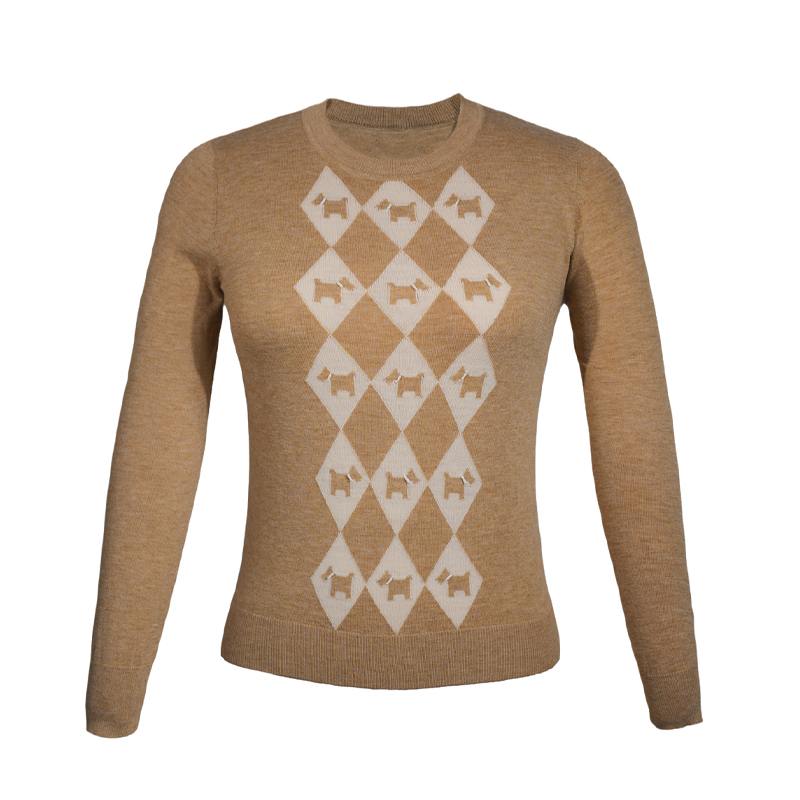
WOMEN'S SWEATER
Volume Sourcing Women's Dog Jacquard Pullover Factory
OEM & ODM
Available
Low MOQ
From 100 pcs
7-12 Days
Sampling
Worldwide
Shipping
- Product Type
- Women's Knit Pullover
- Neckline
- Classic Crew Neck
- Sleeves
- Long Sleeves
- Knit Gauge
- 14GG
- Composition
- 39% Polyester, 30% Nylon, 25% Acrylic, 6% Wool
- Weight
- 156g
- Color
- Camel And Ivory
- Knit Technique
- Double-Sided Jacquard
- Pattern
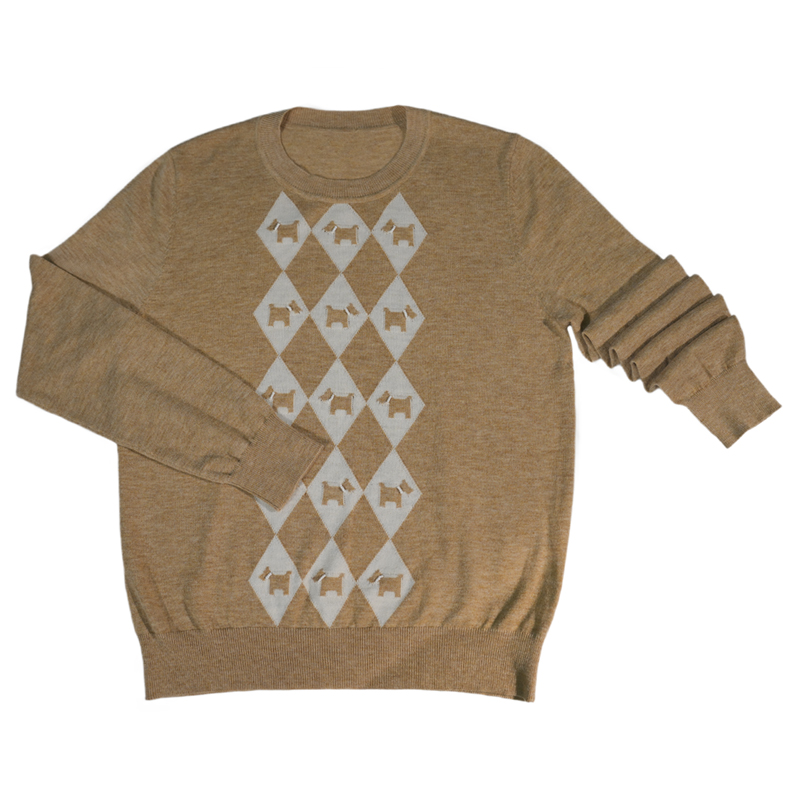
- Dog Motifs Within A Vertical Diamond Matrix
- Pattern Placement
- Centered On The Front Panel
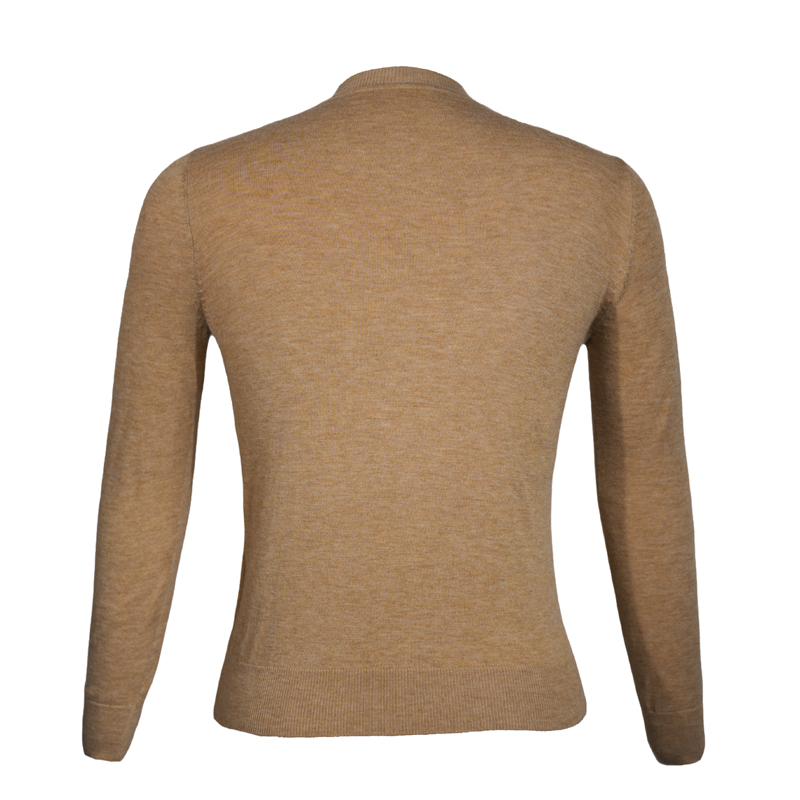
- Sleeve And Back Design
- Solid Color
PRODUCT OVERVIEW
Designed for contemporary women's knitwear collections, this camel and ivory jacquard pullover combines a classic crew neck silhouette with a distinctive dog-inspired pattern. The warm neutral palette gives the garment a timeless appearance, while the small dog motifs introduce a playful element suited to brands seeking knitwear with a recognizable visual identity. The front panel features a vertically arranged diamond matrix incorporating dog jacquard motifs. This organized layout creates a clear pattern rhythm and keeps the decorative details concentrated in one area. In contrast, the sleeves and back remain in solid colors, allowing the front design to stand out without making the entire garment visually busy. The double-sided jacquard construction integrates the contrasting pattern into the knitted fabric, creating a cohesive appearance across the patterned section. The classic crew neckline and long sleeves complement the graphic front panel, making the sweater suitable for everyday collections, heritage-inspired assortments, and casual fashion ranges. For B2B apparel buyers, this design offers a distinctive option for seasonal product development and private-label knitwear programs. Brands can evaluate the motif proportions, color contrast, and pattern placement against their collection requirements, using an approved sample as the reference for subsequent production.
CUSTOMIZATION OPTIONS
Jacquard Placement Customisation
Shift the diamond grid upward or downward, extend the pattern toward shoulders, or limit the jacquard to a smaller chest badge layout.
Yarn Weight & Handfeel Tuning
Tune yarn fineness to create a softer, fluffier surface or a smoother, more compact knit texture without changing the 14GG machine setup.
Contrast Accent Customisation
Add subtle contrast colour on rib neck, cuffs or hem; keep the main argyle and dog graphic unchanged for brand consistency.
Stitch Backing Adjustment
Choose between standard float jacquard or tighter interlock backing, trading production cost for better snag resistance for high-wear collections.
Packaging & Hangtag Branding
Build bespoke packaging sets, including printed swing tags, woven size labels and branded tissue paper aligned to your brand identity.
MANUFACTURING CAPABILITY
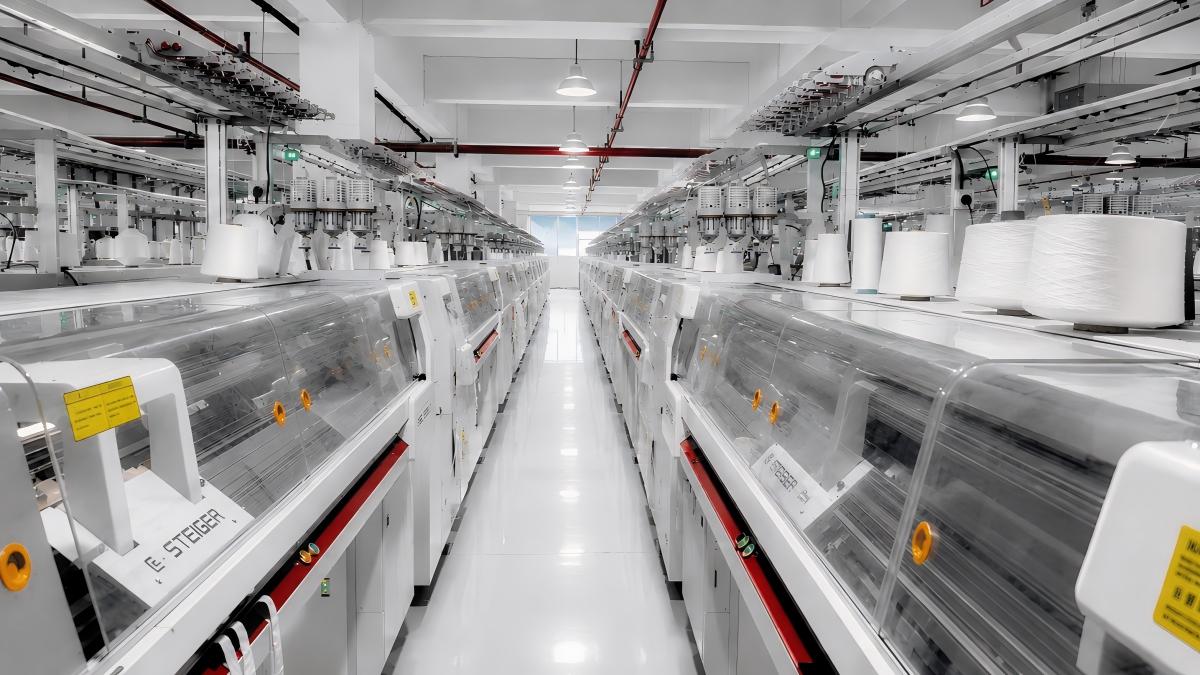
- ✓ Advanced Digital Jacquard Programming And Knit Structure Contro: With extensive knitwear manufacturing experience, the production team can translate multi-color jacquard artwork into machine-readable knitting programs. Pattern planning considers color changes, stitch structure, yarn tension, and float management to help maintain clear dog motifs and a consistent diamond layout. This supports accurate reproduction of complex graphic designs while keeping the overall fabric appearance balanced.
- ✓ Precise Pattern Alignment And Symmetry Inspection: For designs featuring a centered front motif, pattern positioning is an important visual quality checkpoint. Alignment can be reviewed during panel knitting and garment assembly, with particular attention to the vertical diamond arrangement, center-front positioning, and left-right balance. These checks help identify noticeable deviations before garments move to the next production stage.
- ✓ Multi-Stage Quality Control From Yarn To Finished Garment: Quality checks can be arranged at several stages, including incoming yarn review, knitted-panel inspection, garment assembly, measurement verification, and final finishing. For this jacquard sweater, inspection priorities include color consistency, motif definition, fabric density, seam appearance, and garment dimensions. Steam finishing and final visual checks help prepare garments for buyer review and packing.
- ✓ Efficient Sample Development And Technical Translation: A dedicated development process helps convert buyer-provided artwork, reference garments, or technical packs into physical samples. The team can review pattern scale, color placement, and the relationship between the dog motifs and diamond grid before presenting the sample for approval. Buyer feedback is then documented to guide revisions and clarify production requirements.
- ✓ Production Planning And Order Delivery Coordination: Bulk production requires coordination between material preparation, knitting schedules, garment assembly, finishing, inspection, and packing. Production planning takes account of confirmed specifications, material readiness, and order requirements, while progress communication helps buyers follow key milestones. Established production and logistics coordination supports more predictable order handling for overseas brands and wholesale customers.
RELATED PRODUCTS
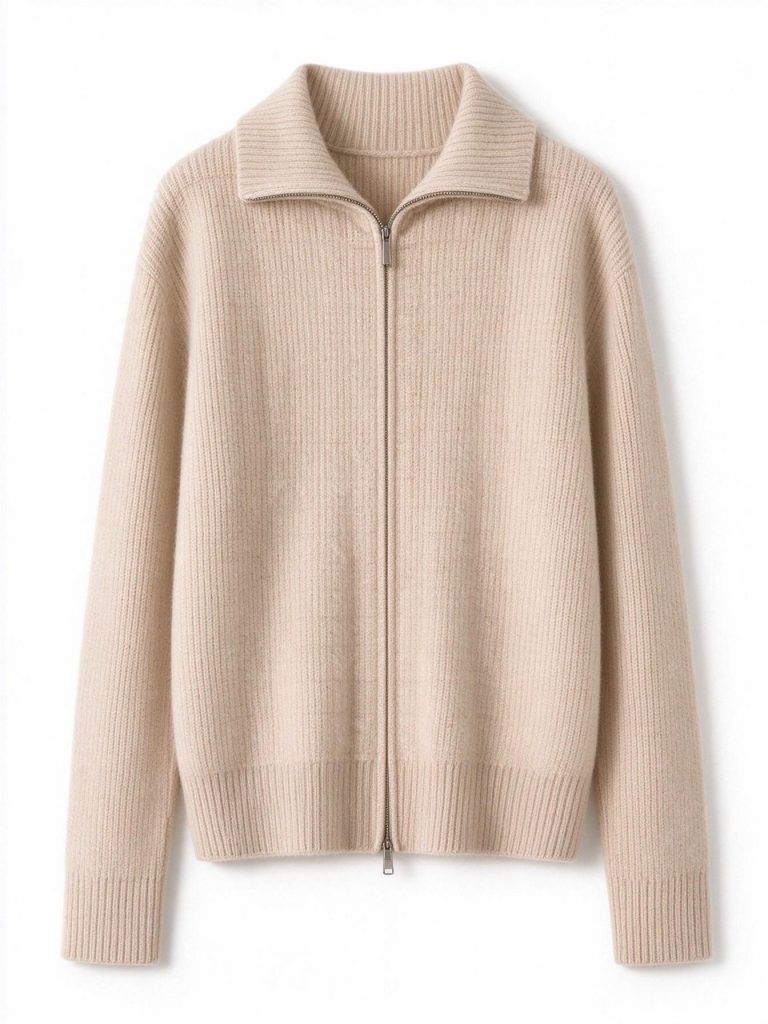
Wholesale Women's Double-Zip Textured Knit Cardigan Manufacturer
VIEW MORE →
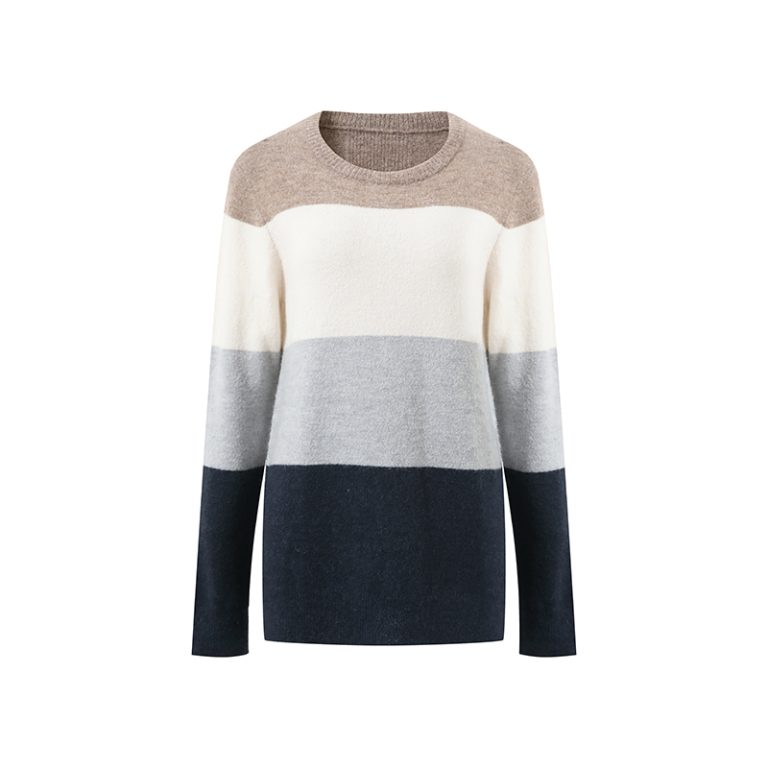
Striped Sweater Manufacturer China | Women's Wool Blend Crewneck Knit
VIEW MORE →
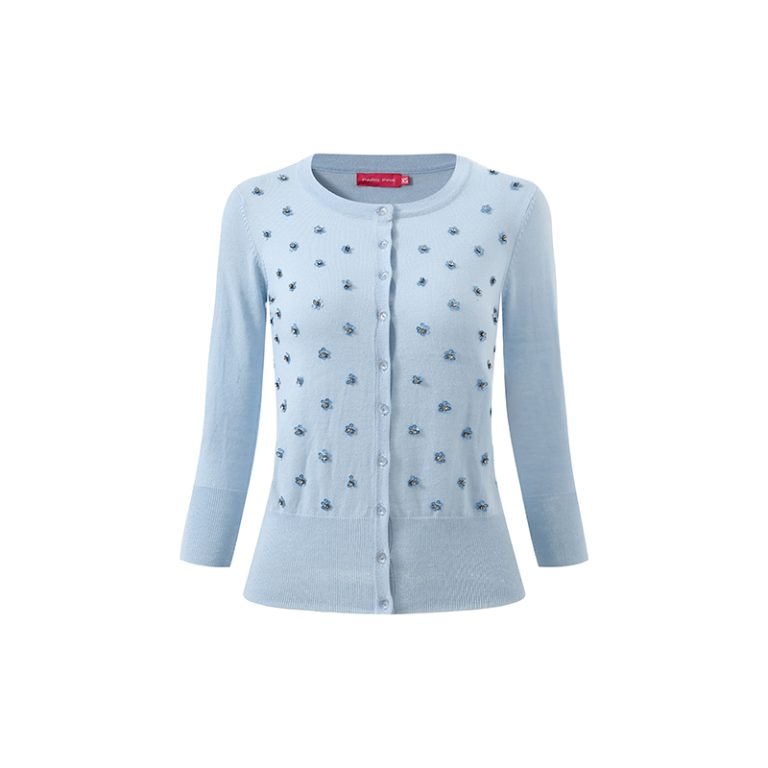
Women's Ultra-Lightweight Faux-Pearl Embellished Fine Knit Sweater|OEM Embellished Sweater Factory
VIEW MORE →
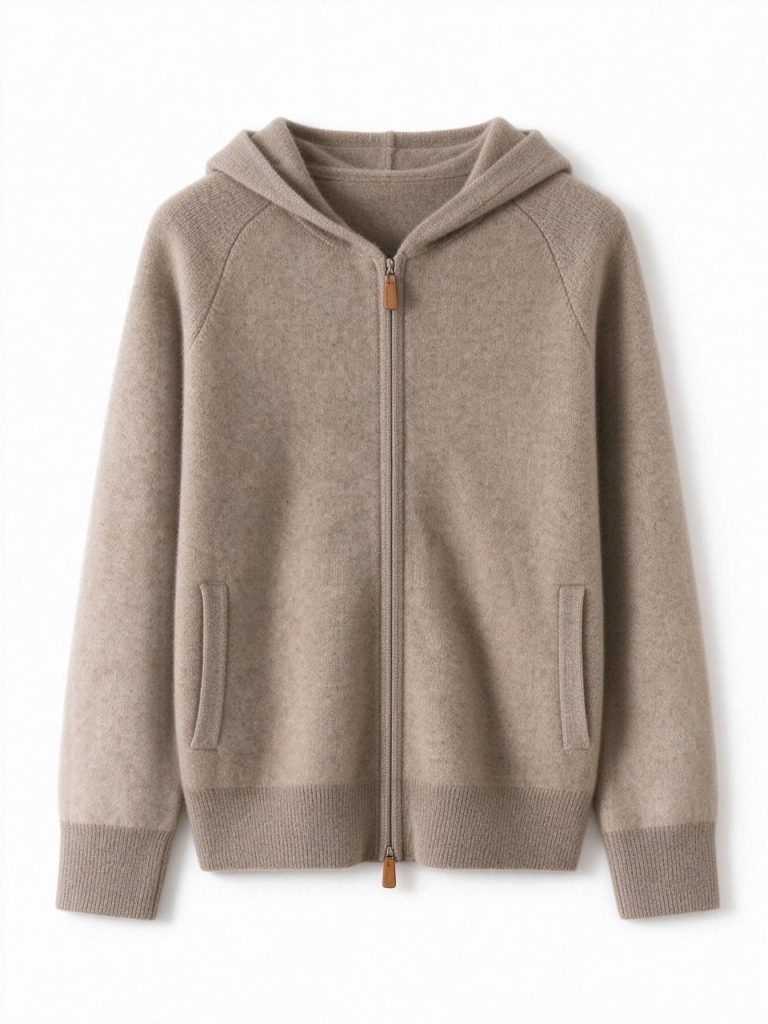
Wholesale Women's Two-Way Zip Cashmere Blend Hooded Cardigan Manufacturer
VIEW MORE →