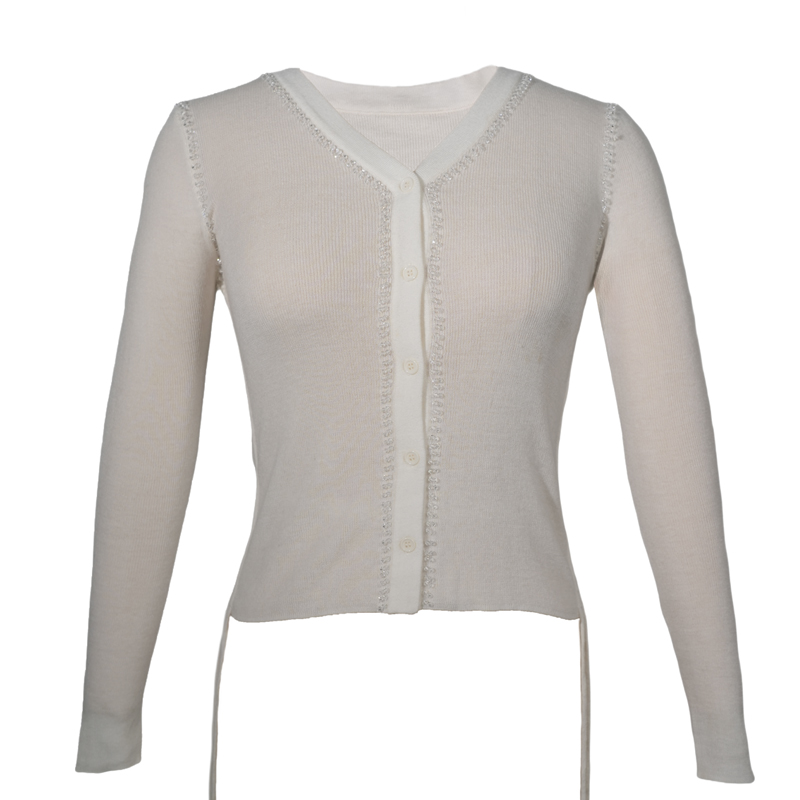
WOMEN'S SWEATER
Wholesale Women's Cropped V-Neck Knit Cardigan Factory
OEM & ODM
Available
Low MOQ
From 100 pcs
7-12 Days
Sampling
Worldwide
Shipping
- Primary Keyword
- Women's Cropped V-Neck Knit Cardigan
- Color
- Light Beige
- Knit Gauge
- 12GG
- Material Composition
- 30% Cotton, 44% Acrylic, 20% Nylon, 6% Wool
- Garment Weight
- 244 g
- Neckline
- V-Neck
- Sleeve Type
- Long Sleeve
- Silhouette
- Cropped
- Neckline Detail
- Contrast Trim
- Waist Detail
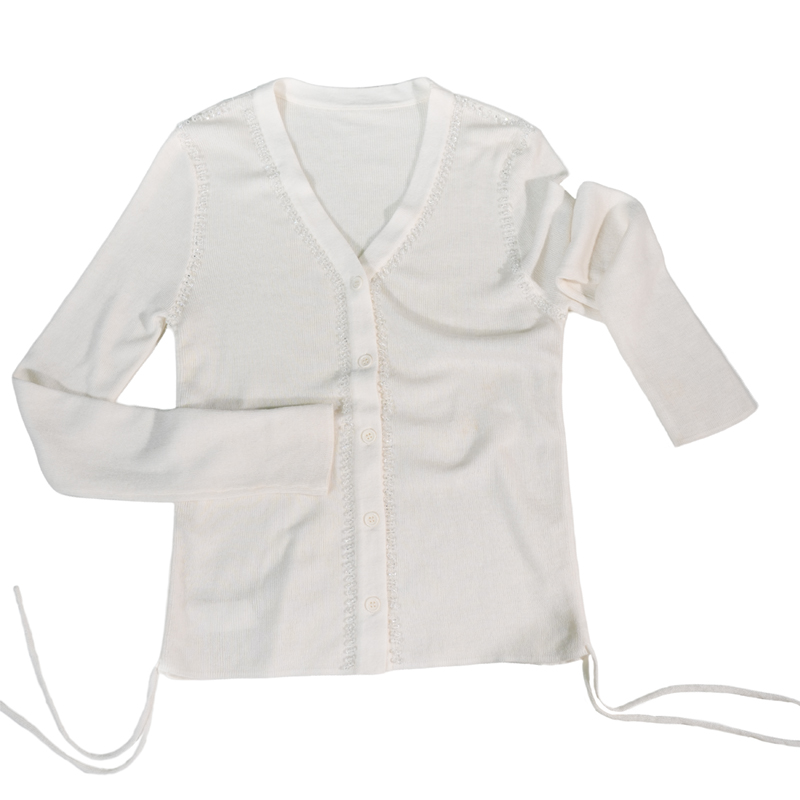
- Long Self-Fabric Ties Extending From Both Sides of the Lower Hem
- Styling Options
- Ties Can Be Knotted at the Back or Side
PRODUCT OVERVIEW
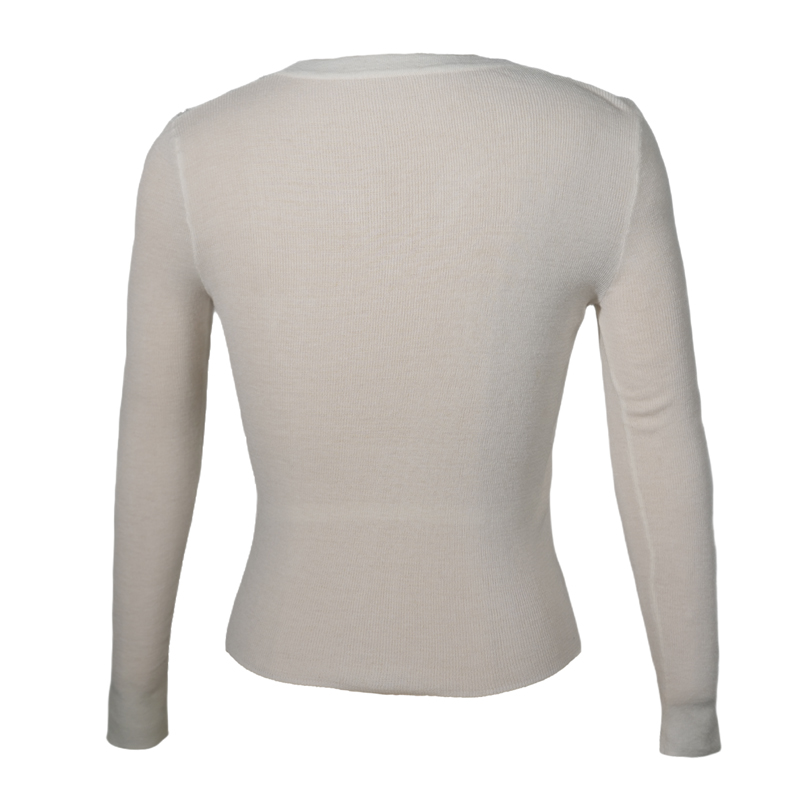
Designed for contemporary women's apparel collections, this cropped V-neck knit cardigan brings together understated styling and distinctive construction details. The light beige color provides a neutral foundation for coordinating with a wide range of garments, while the contrasting trim around the V-neck introduces a subtle visual accent. The defining feature is the pair of long ties extending from the left and right sides of the lower hem. Made from the same fabric as the cardigan, these ties can be knotted at the back or along the side, allowing the garment to be styled in different ways without changing its overall design concept. This detail adds flexibility to the appearance of the cardigan and distinguishes it from conventional open-front knitwear. The cropped silhouette works naturally with high-waisted trousers, skirts, and dresses, making the style suitable for collections that emphasize proportion and versatile outfit coordination. Long sleeves and a relatively simple body design also allow the cardigan to be incorporated into both everyday and more refined casual assortments. For fashion brands and apparel buyers, this design offers a clear combination of commercial versatility and recognizable styling details. It can serve as a standalone statement layer or as part of a coordinated knitwear collection, depending on the brand's target customer and seasonal merchandising plan.
CUSTOMIZATION OPTIONS
Neckline & Sleeve Structure Options
Select contrast bound V-neck, adjust V-depth and long sleeve length. Custom fine picot openwork stitching along placket and neck binding. Balanced low-tension stitching keeps delicate eyelet edges neat without twisting, preserving the soft fitted drape.
Placket & Hem Tie Texture Options
Adjust button quantity, spacing and eyelet stitch density along the front placket. Custom side drawstring ties at hem; tune stitch tension to control semi-sheer transparency. Stabilise transition between solid fine knit and openwork trim to avoid uneven stretch and sagging after washing.
Weight & Drape Control Options
Select light to ultra-light fabric weights for layering. Fine-tune stitch density and yarn composition to achieve a fluid, soft drape. Keep the knit supple without stiffness, while holding the tailored slim silhouette.
Fit & Hem Silhouette Options
Customise slim fitted, softly tapered or relaxed cropped fit. Adjust garment length, tie placement and hem shape. Stitch shaping secures the side tie openings while maintaining clean lines on semi-sheer styles.
Colour & Finishing Options
Match colours to your Pantone references. Available treatments: softening wash, anti-snag and heat setting for shrink control. OEKO-TEX, GRS and RWS certifications can be supplied.
MANUFACTURING CAPABILITY
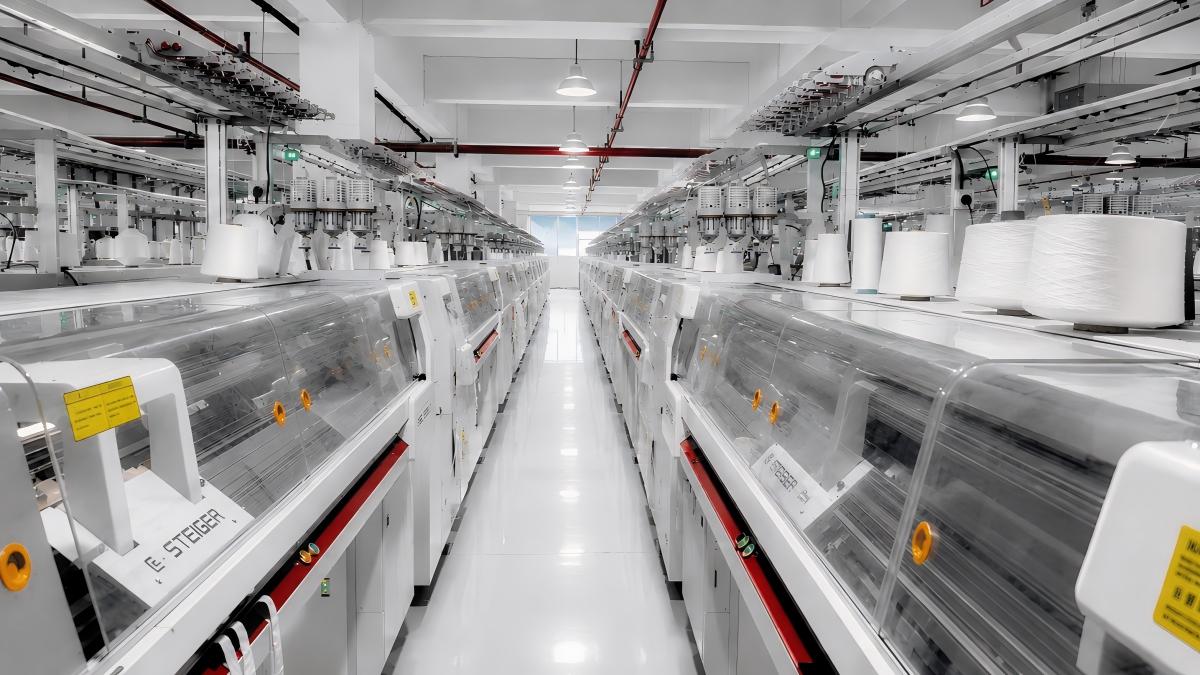
- ✓ Wrap-Style Knitwear Development: KAIDA can support the development of women's wrap-style knitwear using buyer-provided sketches, reference garments, or technical specifications. For this cardigan, particular attention can be given to the front overlap, neckline opening, and waist-tie arrangement to establish the intended wrap appearance and ensure the design details work together.
- ✓ Front Closure And Tie Construction: The overlapping front panels and extended ties are important functional elements of this style. Development can address tie positioning, attachment points, finished length, and the way the front panels sit when fastened. These details should be reviewed against the intended wearing method to establish a practical and consistent construction approach.
- ✓ Fitted Silhouette And Measurement Planning: The relatively close-fitting body requires coordinated measurement planning across the bust, waist, hem, and sleeve. KAIDA can work with the buyer's measurement chart and fit reference to define the intended proportions, helping the garment maintain a balanced outline without relying on assumptions about standard sizing.
- ✓ Fine-Knit Appearance Management: The clean surface of this garment places greater emphasis on fabric uniformity and finishing quality. Production review can focus on visible knitting irregularities, seam appearance, front-edge neatness, and consistency across the garment panels. The acceptable appearance standard can be established according to the buyer's requirements.
- ✓ Component And Detail Coordination: For styles incorporating narrow ties, front edges, and fitted sleeves, the relationship between individual components affects the finished presentation. Development planning can identify the required details and their placement so that the assembled garment maintains a clean, coordinated appearance.
- ✓ Order Planning For Brand Collections: For buyers incorporating this cardigan into a larger women's apparel range, project planning can account for the required color assortment, size breakdown, order quantities, and delivery priorities. Confirming these commercial details early helps align the production plan with the buyer's merchandising calendar.
- ✓ Production Handover And Order Documentation: Once product requirements are finalized, the agreed technical details and order instructions can be organized for the relevant production teams. This includes clear records of the closure arrangement, tie specifications, measurement requirements, and finishing expectations, giving the order a defined reference throughout manufacturing.
RELATED PRODUCTS
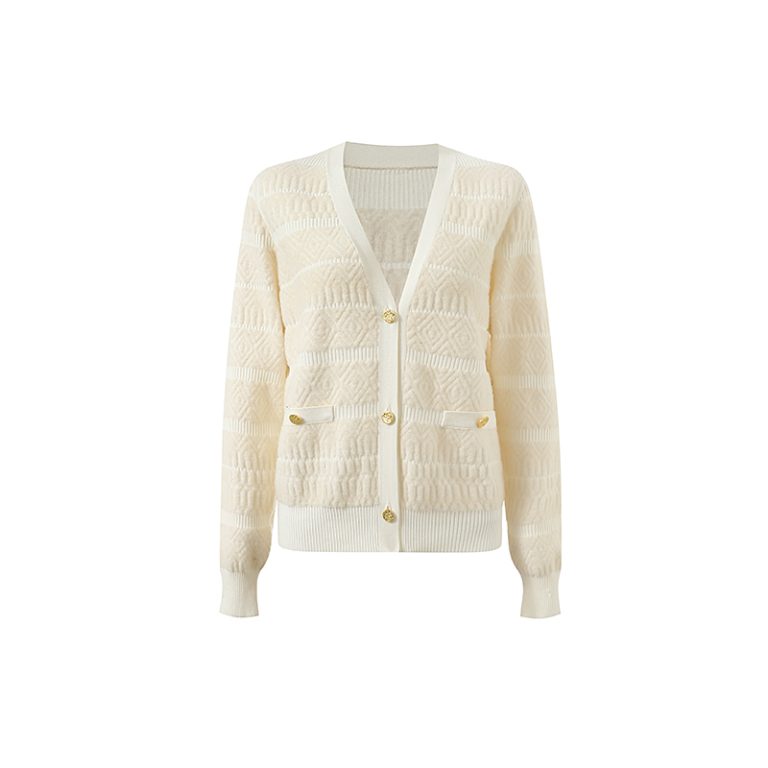
Women's Cotton Acrylic Cardigan Manufacturer | V-Neck Pocket Knitwear OEM
VIEW MORE →
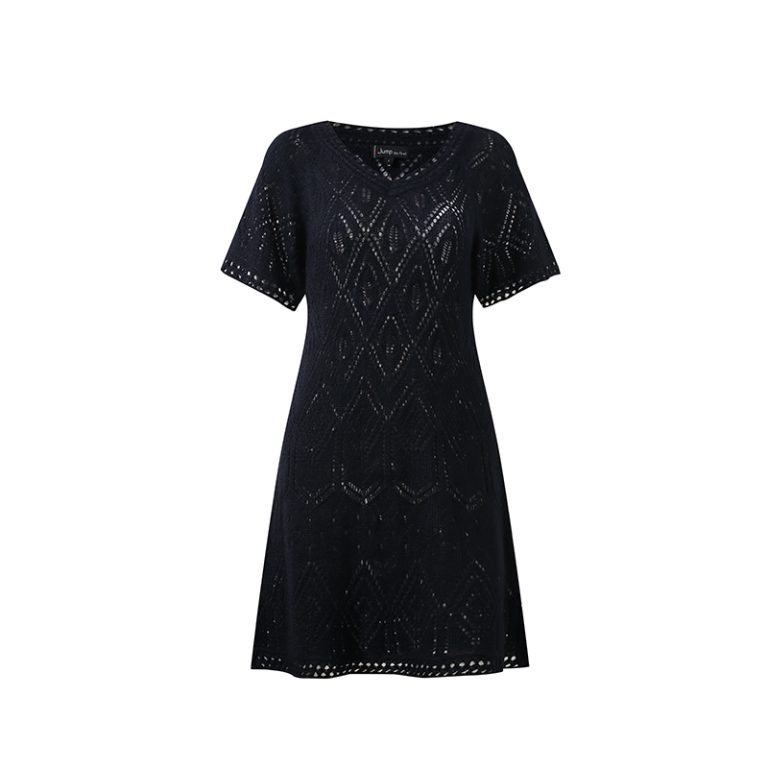
Private Label Open Knit Maxi Dress Manufacturer | Women's Mohair Blend Knitwear
VIEW MORE →
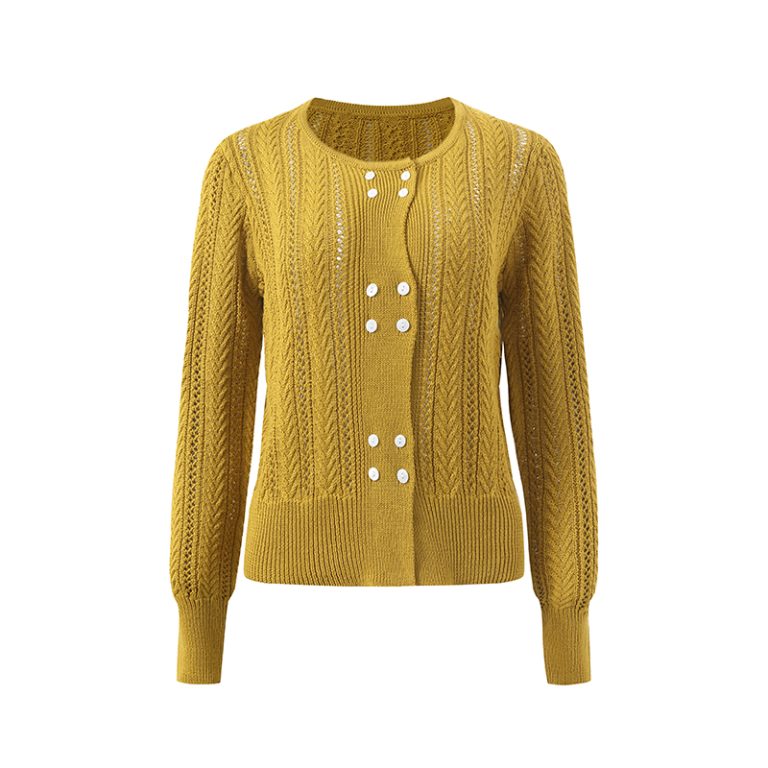
Women's 100% Cotton Double-Breasted Cardigan | 5GG Knitwear OEM
VIEW MORE →
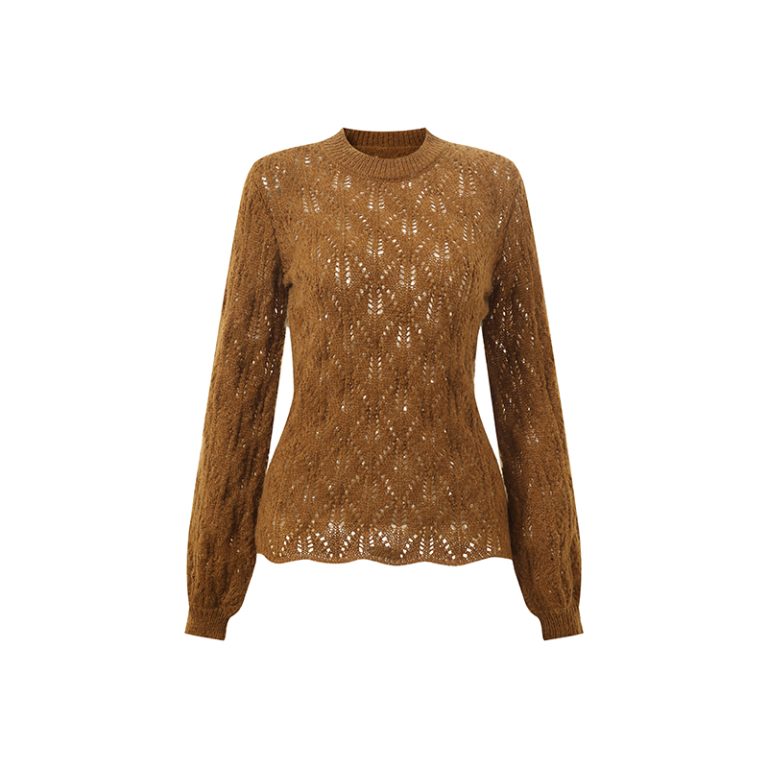
Women's 7GG Mohair Blend Pointelle Sweater | Private Label Knitwear Manufacturer
VIEW MORE →