WOMEN'S SWEATER
Custom Women's Cropped Fitted Knit Cardigan Manufacturer
OEM & ODM
Available
Low MOQ
From 100 pcs
7-12 Days
Sampling
Worldwide
Shipping
- Product Type
- Women's Knit Cardigan
- Primary Keyword
- Women's Cropped Fitted Knit Cardigan
- Color
- Pale Yellow
- Knit Gauge
- 7GG
- Material Composition
- 100% Acrylic
- Garment Weight
- 173 g
- Neckline
- Round Neck
- Neckline Detail
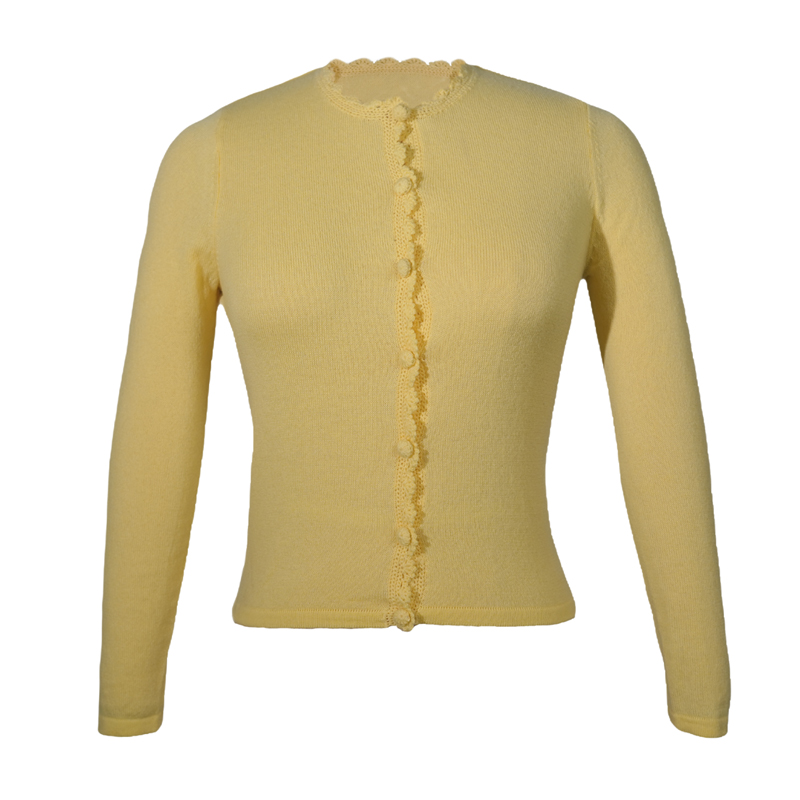
- Wave-Shaped Ruffle Trim
- Closure
- Single-Breasted Front Button Closure
- Button Detail
- Tonal Buttons
- Silhouette
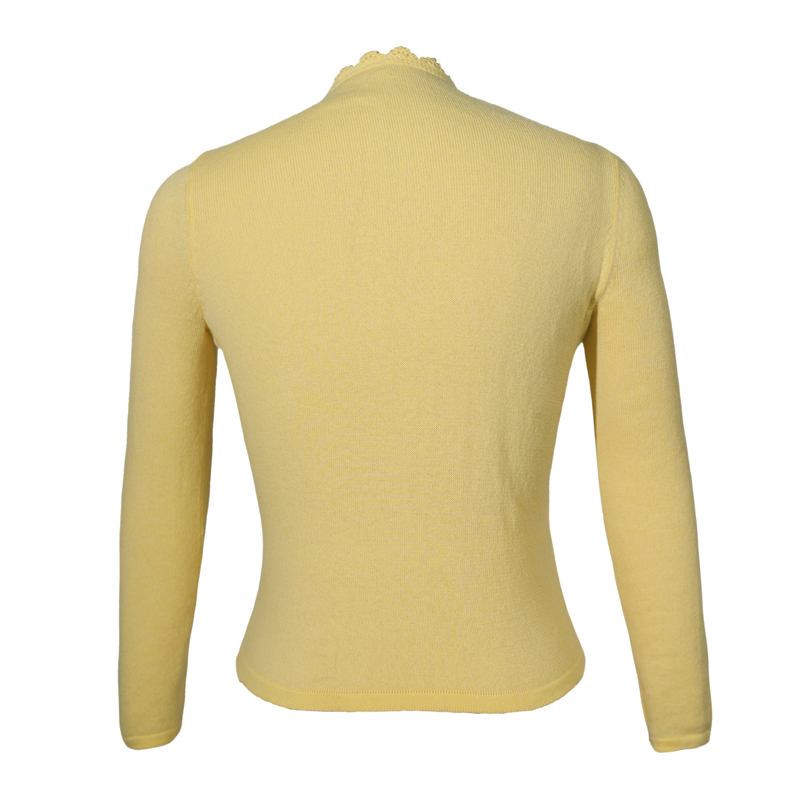
- Cropped, Fitted
- Hem
- Straight Cropped Hem
- Knit Surface
- Subtle Raised Textured Knit Pattern
PRODUCT OVERVIEW
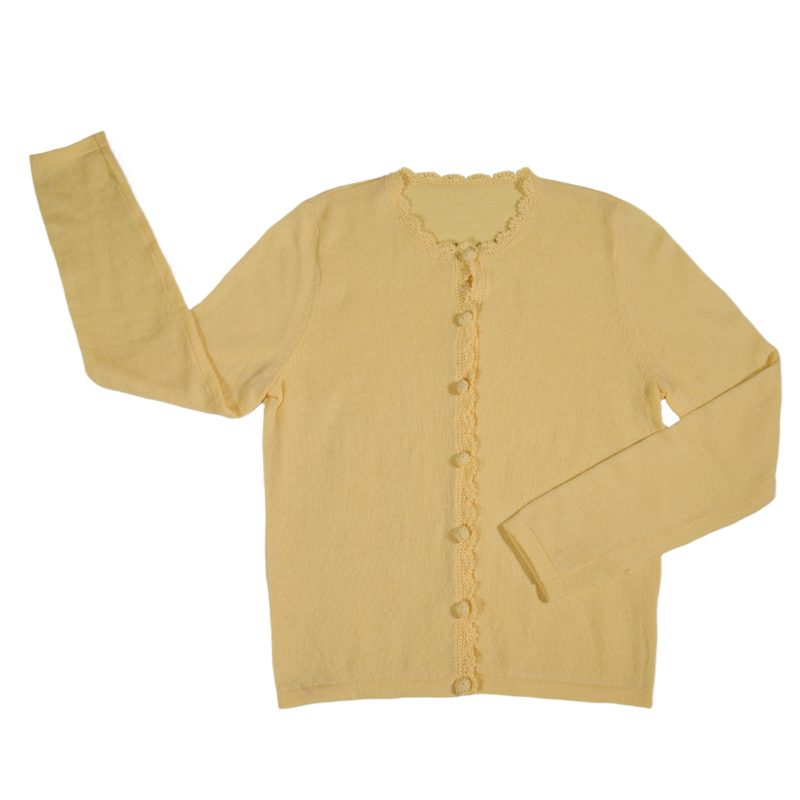
Designed for contemporary women's knitwear collections, this pale yellow cropped cardigan balances a feminine neckline detail with a clean, fitted silhouette. Its soft color provides a versatile option for seasonal assortments, while the subtle raised texture of the knit adds visual depth without relying on an elaborate pattern. The round neckline is finished with a delicate wave-shaped ruffle trim, creating a decorative focal point around the upper body. This detail gives the cardigan a more distinctive identity than a conventional round-neck style while keeping the overall design suitable for everyday wear and coordinated outfits. A single-breasted front closure with tonal buttons maintains visual continuity across the front. The buttons complement the body color rather than introducing a strong contrast, allowing the neckline and knit texture to remain the main design features. A straight, short hem completes the cropped silhouette with a clean outline. For apparel brands and sourcing teams, this cardigan can serve as a feminine knitwear option within a broader range of contemporary separates. It pairs naturally with high-waisted trousers, skirts, denim, and dresses, giving buyers several ways to position the style within a seasonal collection. The combination of a recognizable neckline detail, understated surface texture, and versatile color makes this design suitable for brands seeking knitwear that moves beyond basic essentials while maintaining straightforward styling potential.
CUSTOMIZATION OPTIONS
Neckline & Sleeve Structure Options
Select picot ruffle crew neck, adjust neck width and long sleeve length. Custom fine picot openwork stitching along placket and neck binding. Balanced low-tension stitching keeps delicate eyelet edges neat without twisting, preserving the soft fitted drape.
Body Stitch & Texture Options
Select fine plain knit or subtle all-over tiny eyelet openwork. Tune stitch density to control semi-sheer effect. Stabilise stitch transitions between main body and picot trim to prevent uneven tension and sagging over time
Picot Edge & Button Placket Options
Customise picot ruffle edge along the round neckline and full front placket. Control scallop size, trim density and buttonhole spacing. Balanced stitch tension protects the delicate frill structure, while precise button attachment ensures long-term durability without pulling the fine knit fabric.
Fit & Hem Silhouette Options
Customise slim fitted, softly tapered or relaxed cropped fit. Adjust garment length and hem shape. Stitch shaping maintains clean silhouette lines on semi-sheer styles.
Colour & Finishing Options
Match colours to your Pantone references. Available treatments: softening wash, anti-snag and heat setting for shrink control. OEKO‑TEX, GRS and RWS certifications can be supplied.
MANUFACTURING CAPABILITY
- ✓ Knitwear Manufacturing Expertise: KAIDA specializes in knitwear production, with experience supporting apparel projects that require different garment silhouettes, surface effects, and finishing approaches. For this cardigan, the focus is on translating the decorative front edge and clean body design into a practical manufacturing specification while maintaining the intended appearance of the finished garment.
- ✓ Design Detail Integration: A decorative front opening needs to work visually with the neckline, button line, and surrounding knit fabric. KAIDA can assess how these elements interact during product development, helping buyers establish a coherent design rather than treating each feature independently. This is particularly relevant for brands seeking distinctive details within an otherwise understated knitwear style.
- ✓ From Design Concept To Commercial Product: Turning a design reference into a market-ready garment involves more than reproducing its appearance. Product requirements must also be suitable for the intended retail positioning, target customer, and planned order. KAIDA works with B2B buyers to clarify these priorities and align the product specification with the practical needs of commercial knitwear manufacturing.
- ✓ Flexible Product Range Development: Brands often need several related styles to create a balanced collection. KAIDA can discuss how this cardigan may fit into a wider range through coordinated color directions, complementary knitwear designs, or variations suited to different merchandising plans. This gives buyers a basis for considering individual styles within the broader commercial collection.
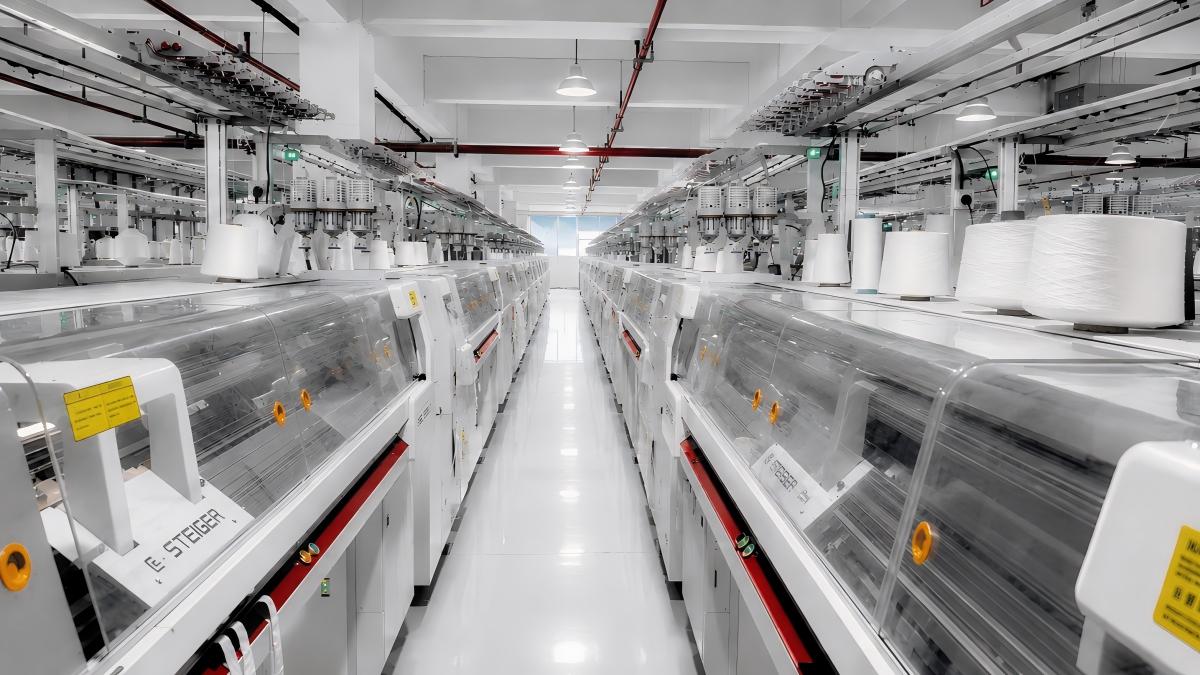
- ✓ Integrated Factory Coordination: Based in Jiaxing Puyuan, an established knitwear manufacturing hub, KAIDA combines knitwear industry experience with its own factory resources. This provides a practical foundation for coordinating product requirements with manufacturing considerations and supporting communication between development and production activities.
- ✓ International B2B Cooperation: KAIDA serves overseas apparel brands, wholesalers, and sourcing teams with a focus on clear product requirements and project-specific manufacturing arrangements. Buyers can discuss their target markets, purchasing plans, and product expectations to establish a working approach suited to their business needs.
- ✓ Ongoing Collection And Replenishment Support: For customers building continuing knitwear programs, future orders may involve repeat styles, updated colors, or additions to an existing range. KAIDA can use the agreed product and order references to support these discussions, helping buyers plan subsequent requirements around their collection calendar and purchasing priorities.
RELATED PRODUCTS
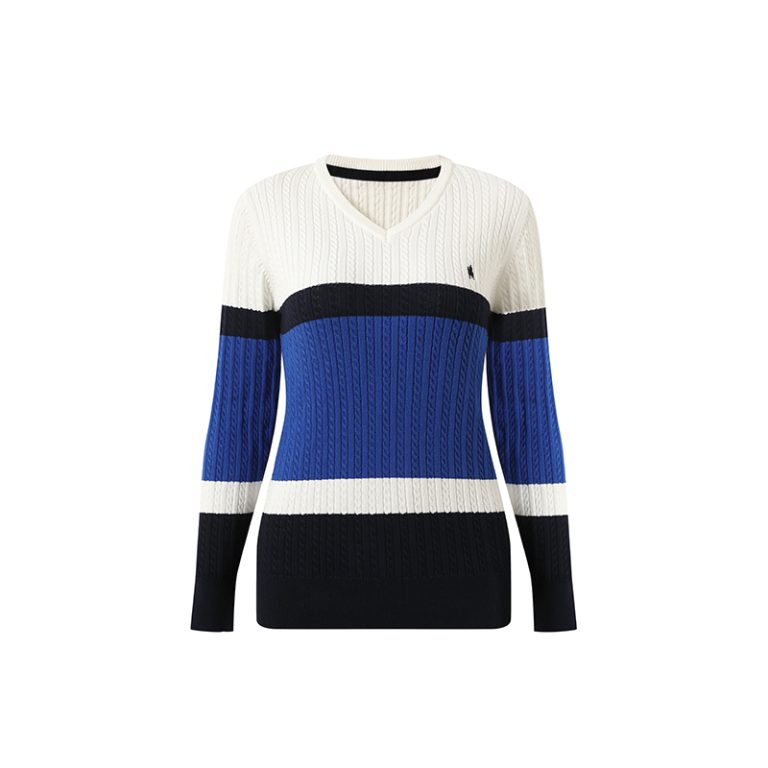
Women's 12GG Cotton Blend Cable Knit V-Neck Sweater | OEM Manufacturer
VIEW MORE →
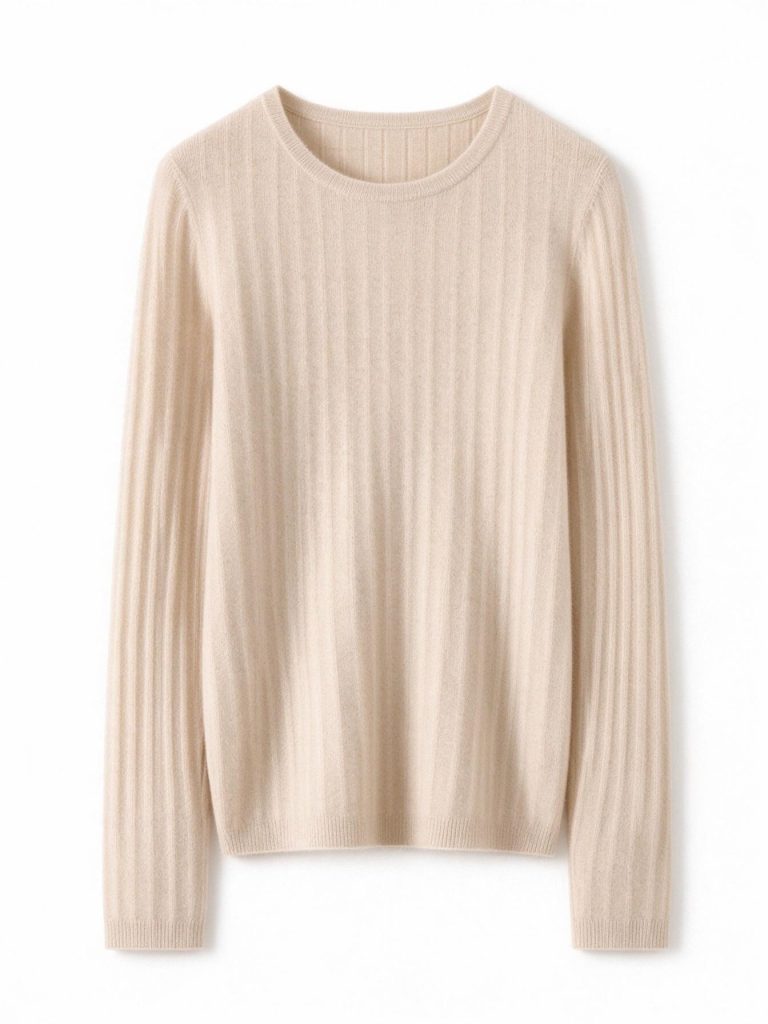
Wholesale Women's Vertical Rib Cashmere Blend Sweater Factory
VIEW MORE →
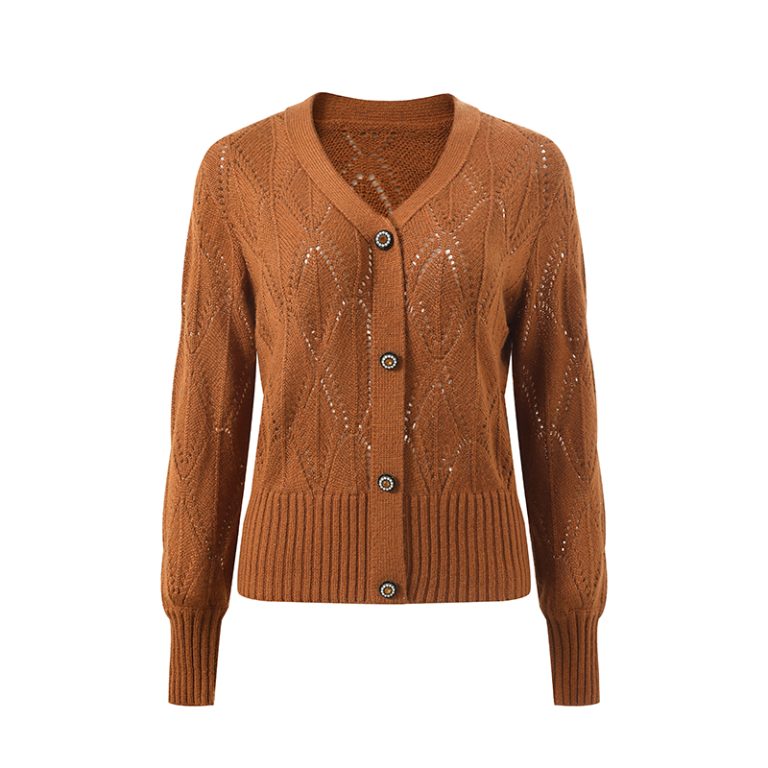
Women's Metallic Wool Blend Cardigan | 7GG Shimmer V-Neck Knitwear OEM
VIEW MORE →
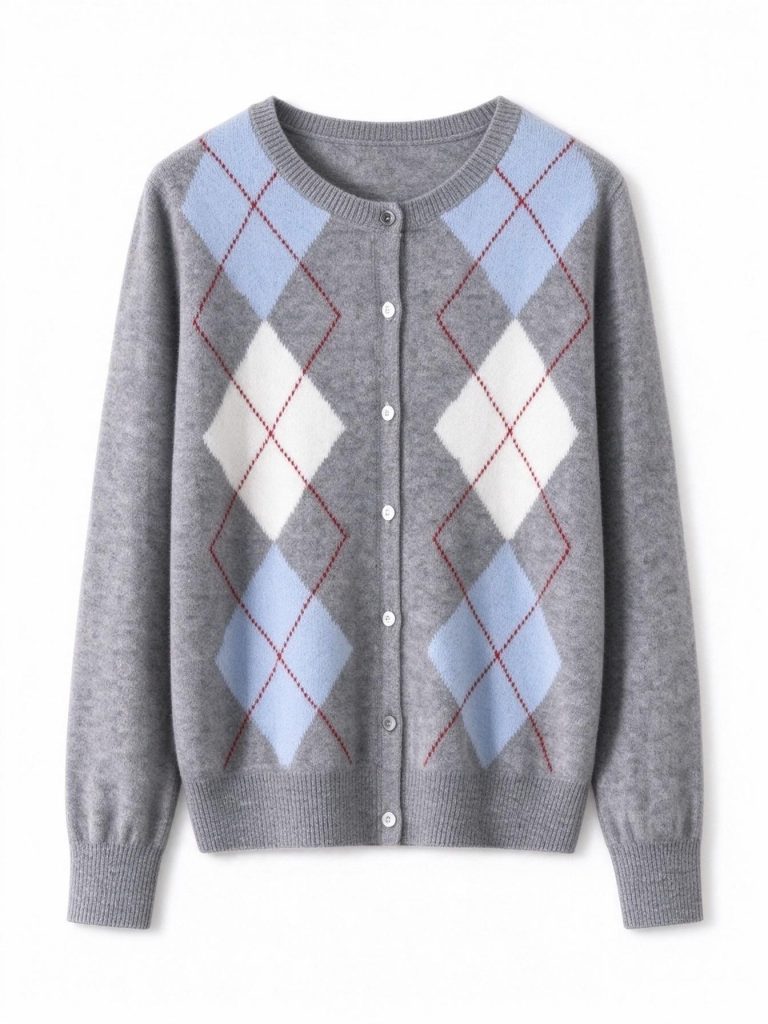
Custom Women's Argyle Jacquard Cashmere Blend Cardigan Supplier
VIEW MORE →