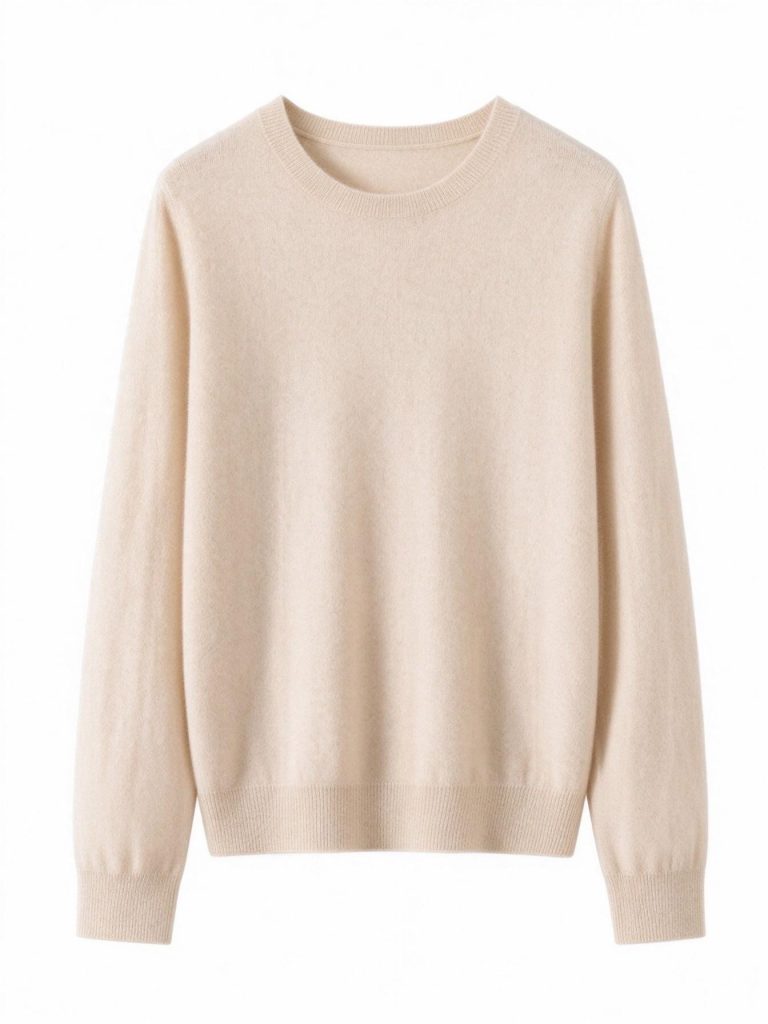
WOMEN'S SWEATER
Custom Women's Wool Cashmere Knitwear Manufacturer
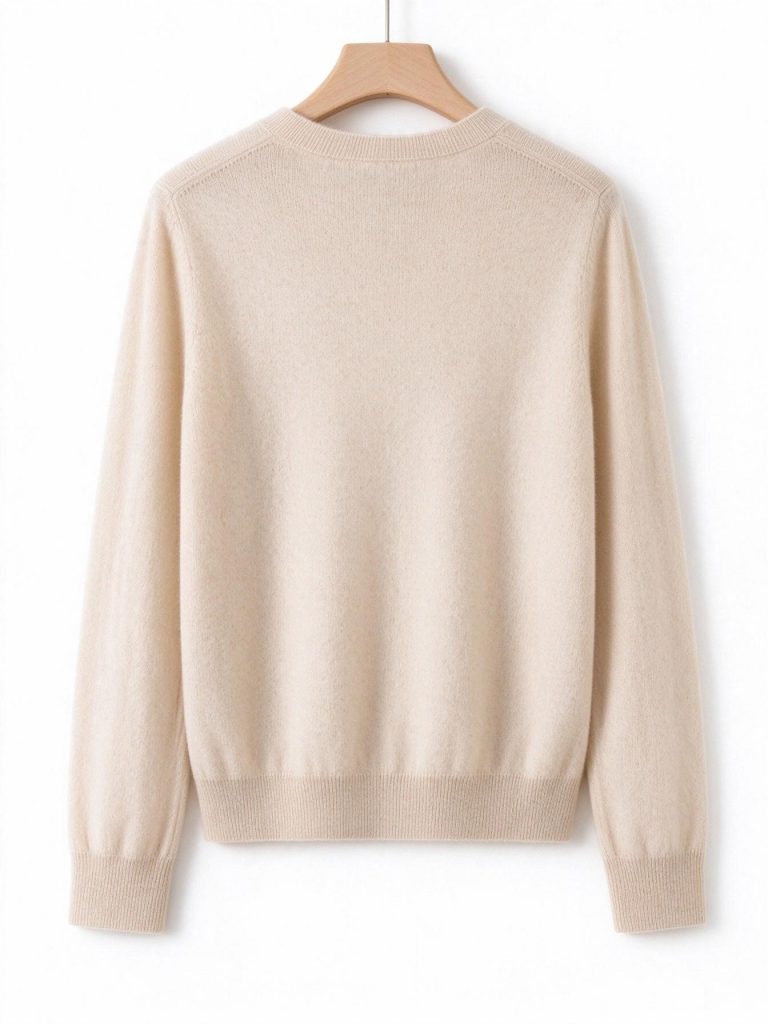
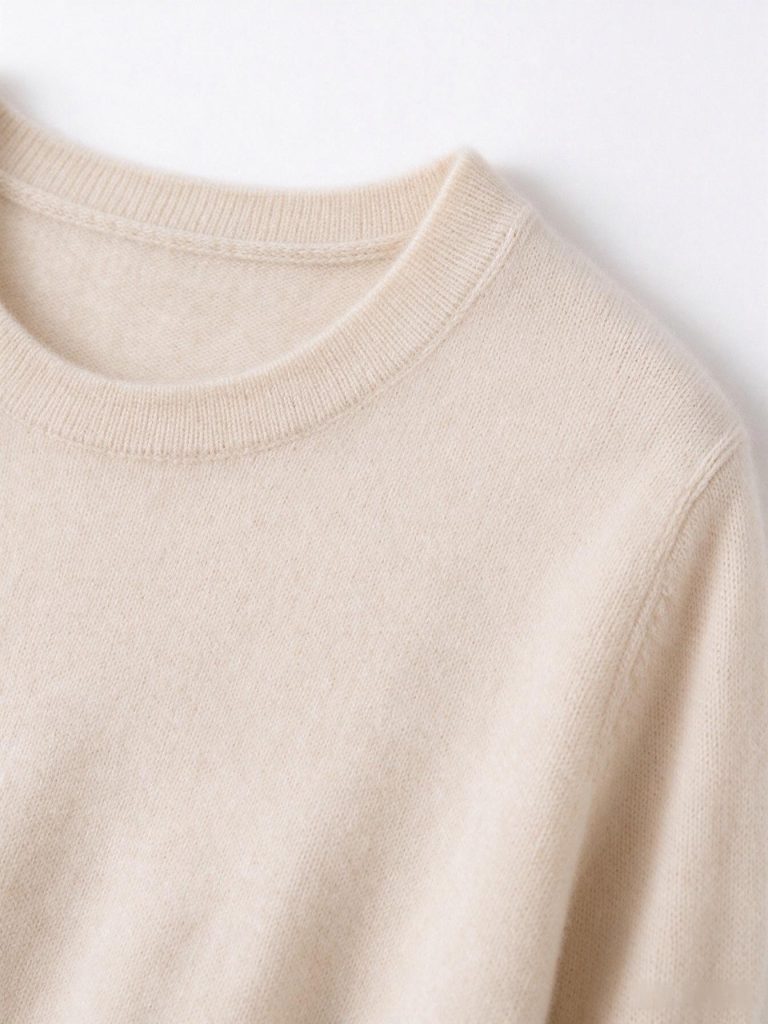
This women's long sleeve crew neck sweater is made from a 30% cashmere and 70% wool blend. It features a 16-gauge knit construction, a narrow ribbed neckline, matching ribbed cuffs, and a ribbed hem. The relaxed fit and Qing Rong Beige color create a clean, understated look for premium women's autumn and winter knitwear collections.
OEM & ODM
Available
Low MOQ
From 100 pcs
7-12 Days
Sampling
Worldwide
Shipping
- Material Composition
- 30% Cashmere, 70% Wool
- Gauge
- 16 Gauge
- Garment Weight
- 230 g
- Color
- Qing Rong Beige
- Neckline
- Narrow Ribbed Crew Neck
- Sleeves
- Long Sleeves
- Cuffs
- Matching Ribbed Cuffs
- Hem
- Ribbed Hem
- Fit
- Slightly Relaxed Fit
- MOQ
- 100 Pieces Per Color, 300 Pieces Per Style
PRODUCT OVERVIEW
This classic women's crew neck sweater combines a clean silhouette with refined knitwear details. The narrow ribbed neckline, matching cuffs, and ribbed hem create a coordinated appearance, while the slightly relaxed fit offers an easy, versatile shape for everyday wear, workwear, and seasonal layering. Made from 30% cashmere and 70% wool, the sweater uses a 16-gauge knit construction. Its 230 g garment weight provides a useful reference for product development and collection planning. Final handfeel, dimensions, and appearance should be assessed against the approved sample. For overseas clothing brands, wholesalers, and apparel sourcing teams, this style can serve as a starting point for a classic women's knitwear range. Buyers can provide reference images, technical packs, design drawings, or physical samples to communicate product requirements before development and production.
CUSTOMIZATION OPTIONS
Gauge & Fabric Weight Tuning
Adjust knit gauge from 12G to 18G and fabric weight to meet your warmth & handfeel requirements. Fine-tune yarn tightness to modify sheerness, drape and durability. We support lightweight sheer inner layers, medium all-season pieces and heavy warm outerwear weights.
Yarn Composition & Fiber Upgrade
Source and blend various natural yarn options: superfine wool, cashmere, wool-cashmere blend, wool viscose, wool silk. We can apply RWS, GRS, OEKO-TEX certified raw materials, adjust fiber ratios to balance softness, pilling resistance and price budget.
Silhouette & Body Fit Modification
Customize body silhouette from slim fit, classic relaxed fit to oversized cut. Adjust body length, waist shaping, hem width and side contour. Modify the ease allowance to fit target market body shapes, keep clean solid knit without jacquard or openwork.
Rib Trim & Edge Detail Customization
Modify rib density, rib width and stitch style for neckband, cuffs and bottom hem. Choose plain fine rib, compact rib or subtle mock rib. Adjust stretch recovery of trims to avoid rolling, customize roundness and height of crew neck.
Finishing & Handfeel Treatment
Carry out custom fabric finishing processes: softening, anti-pilling treatment, anti-shrinkage, carbon brushing. Adjust surface luster, fluffiness and smoothness. Control wash performance to stabilize dimension after home laundering.
MANUFACTURING CAPABILITY
- ✓ Knitwear Project Documentation: KAIDA can help organize development information based on buyer references, technical documents, and project requirements. Style specifications, key measurements, and sample versions can be documented separately so buyers can identify which details have been confirmed and which still require review.
- ✓ Sample Version and Revision Tracking: During sample development, buyers may request changes after internal review. Recording each revision and its approval status helps prevent outdated documents from being used and provides a clearer reference for production preparation.
- ✓ Order Information and Production Handover: Before production preparation, confirmed style information, order quantities, color allocation, and relevant documents can be organized for review. For orders involving multiple styles, clear records help reduce confusion between different product specifications.
- ✓ Garment Inspection and Issue Reporting: Finished garment inspections can follow the agreed order requirements, covering measurements, overall appearance, finishing quality, and visible defects. When an issue is identified, documenting its location and nature helps both parties assess the discrepancy and determine the appropriate next step.
- ✓ Repeat Order Reference Management: For established styles, retaining approved samples, specification files, color references, and revision records helps buyers review previous requirements when placing replenishment orders. Material availability and production conditions should still be reconfirmed before repeat production.

RELATED PRODUCTS
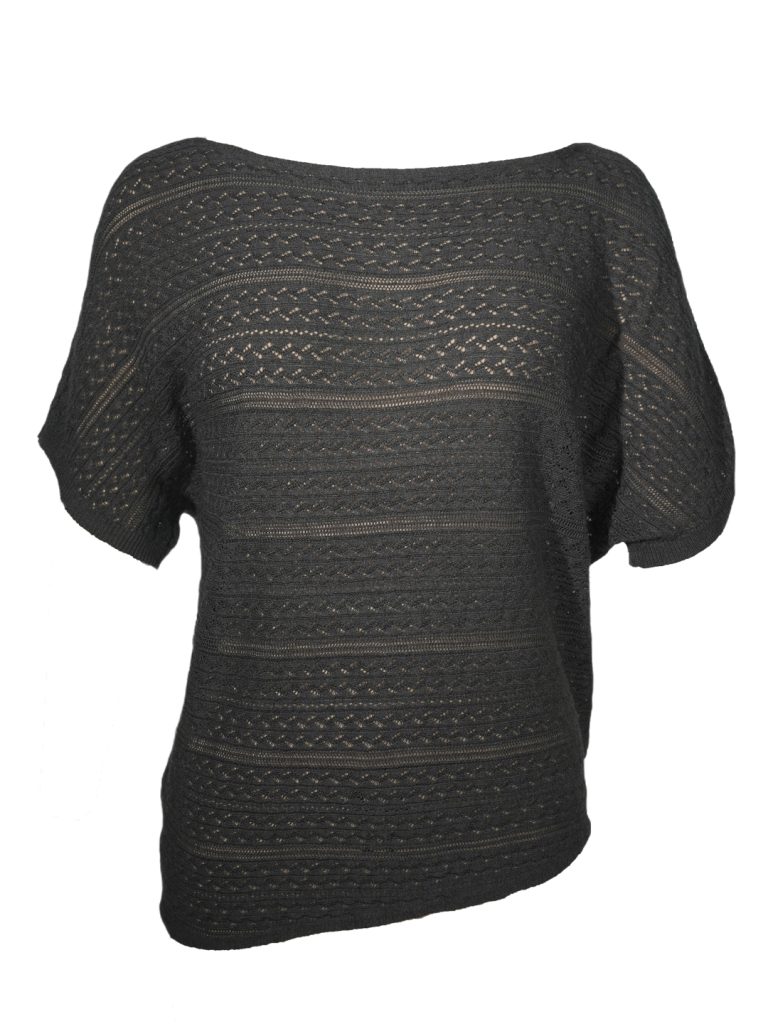
Custom Women's Lyocell Openwork Stripe Knit Top Factory
VIEW MORE →
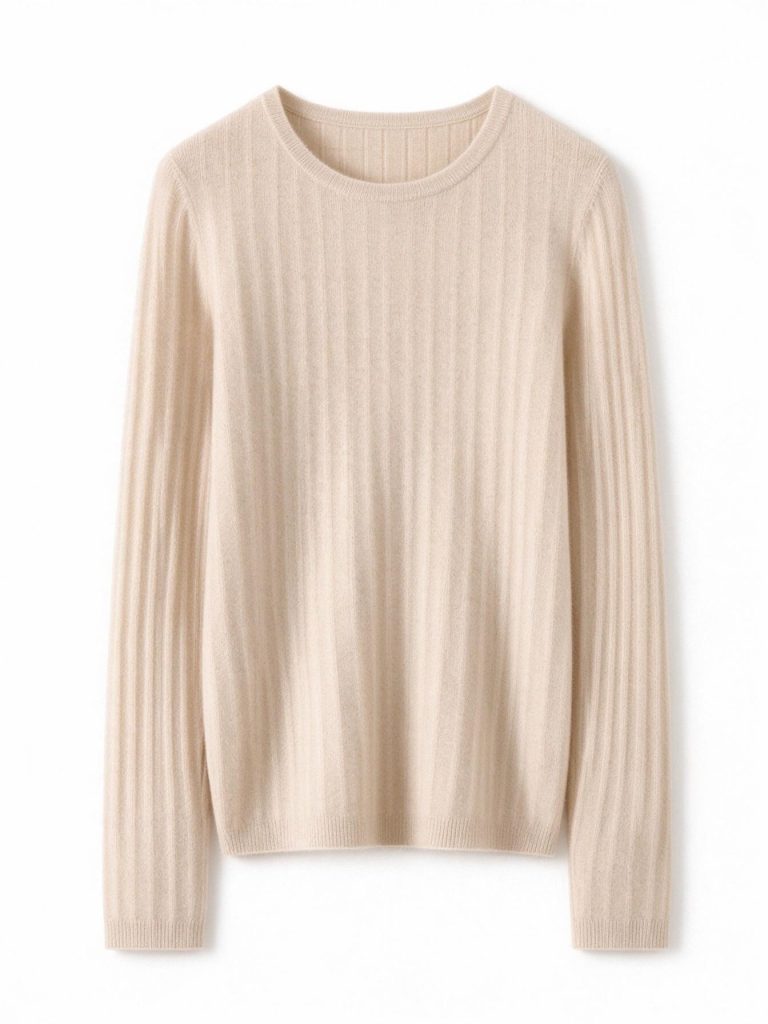
Wholesale Women's Vertical Rib Cashmere Blend Sweater Factory
VIEW MORE →
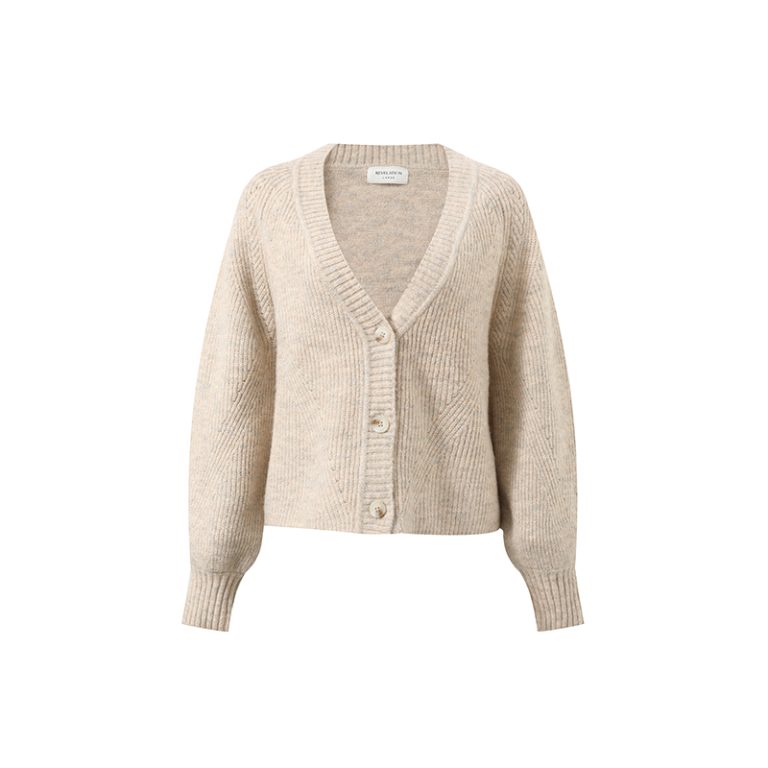
Women's Cropped V-Neck Cardigan Manufacturer | Stretch Knitwear OEM
VIEW MORE →
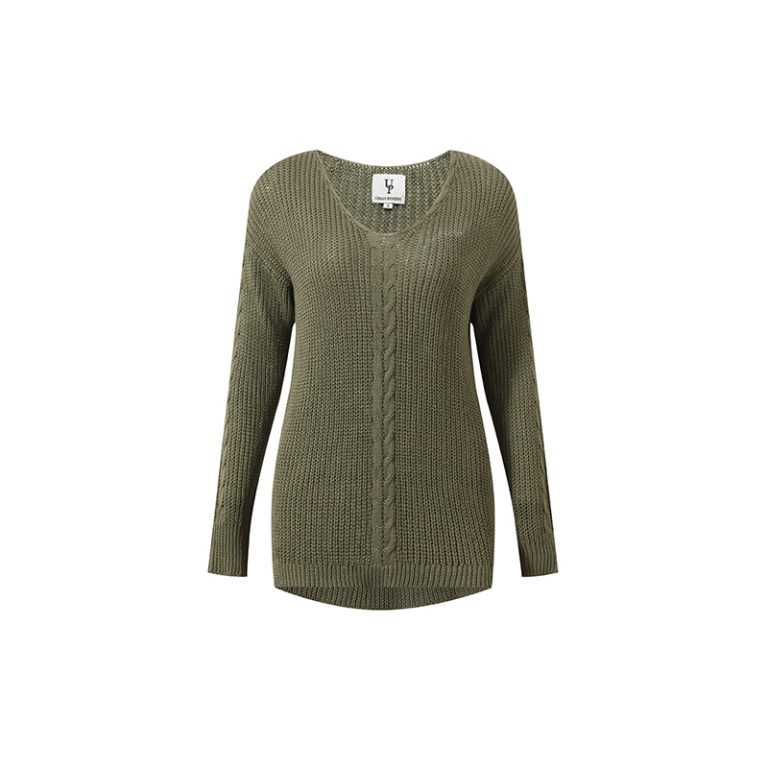
Private Label Cotton Sweater Manufacturer | Women's 5GG Heavy Cotton V-Neck Slouchy Jumper
VIEW MORE →