WOMEN'S SWEATER
Wholesale Women's Drop Shoulder Jacquard Knit Pullover Supplier
OEM & ODM
Available
Low MOQ
From 100 pcs
7-12 Days
Sampling
Worldwide
Shipping
- Neckline
- Small Round Neck
- Neckline Finish
- Basic Ribbed Neckline
- Sleeve Construction
- Drop Shoulder
- Hem Design
- Straight Hem With Clean Finishing
- Knit Structure
- 7GG
- Surface Detail
- Subtle Raised Jacquard Texture
- Material Composition
- 33% Wool, 33% Mohair, 28% Nylon, 6% Spandex
- Garment Weight
- 177 g
- Color
- Pink And White
- Closure
- Pullover Construction
PRODUCT OVERVIEW
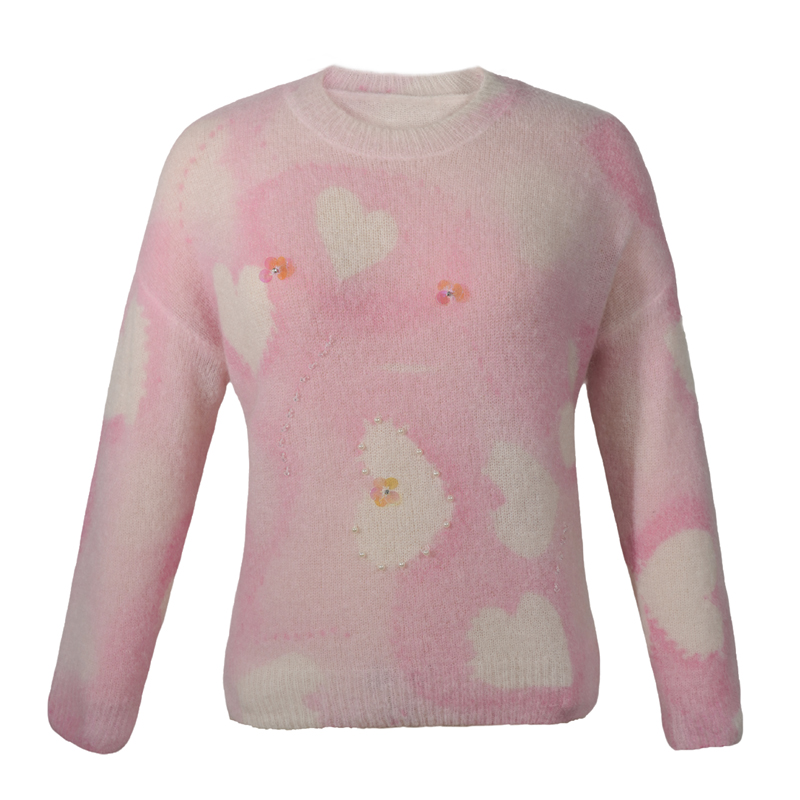
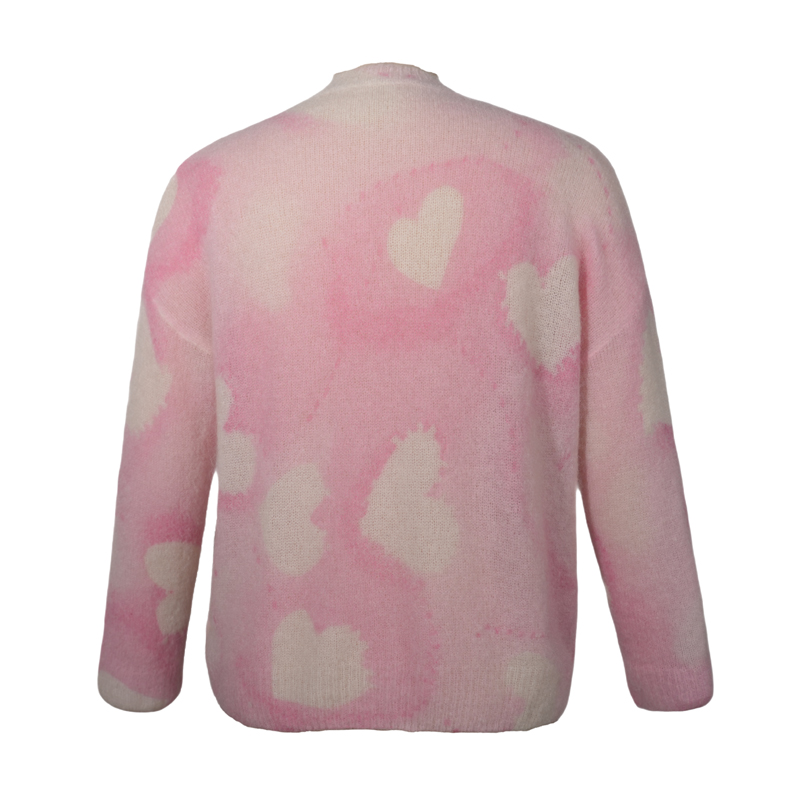
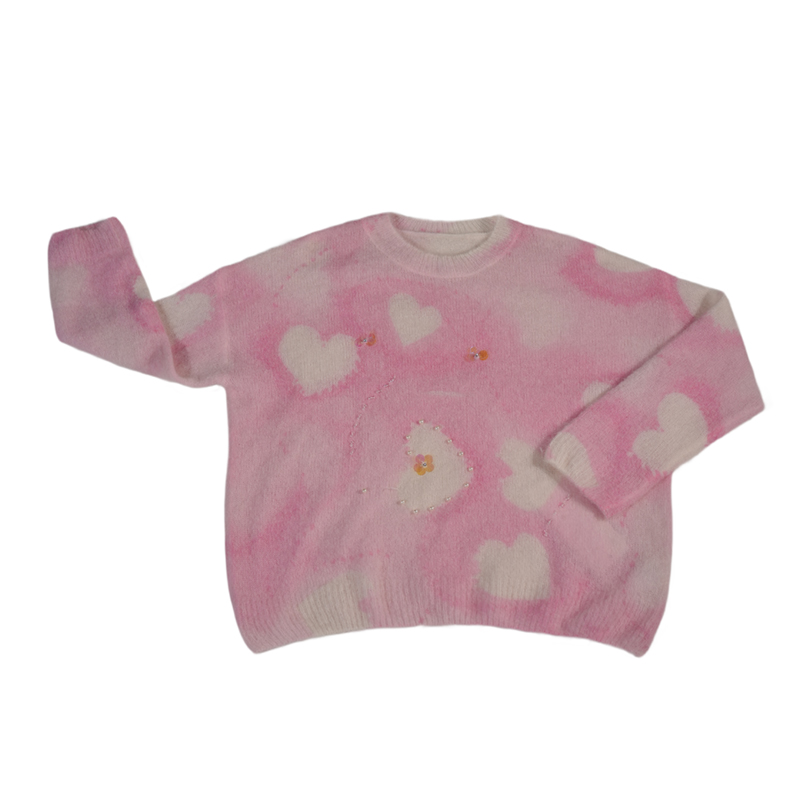
Designed for brands seeking knitwear with understated texture and a contemporary silhouette, this women's jacquard knit pullover combines a small round neckline with dropped shoulders and a straight, cropped-looking hemline. The clean finishing keeps the overall design balanced, allowing the raised knit pattern and pink-and-white color combination to provide the main visual interest. The subtle jacquard texture adds surface dimension without relying on an oversized motif or elaborate decorative elements. This makes the pullover a useful option for collections that favor tactile knitwear details while maintaining a relatively clean overall appearance. The ribbed neckline creates a defined finish around the neck, complementing the relaxed shoulder line and simple body shape. Its yarn composition combines wool, mohair, nylon, and spandex, offering a blended-material construction for brands exploring varied knitwear textures. The 7GG structure provides the specified knit gauge for this design, while the lightweight garment construction supports its inclusion in coordinated seasonal assortments. For B2B buyers, the style offers a starting point for developing textured pullovers across different color stories and collection concepts. The garment can be evaluated through sample development before bulk production, allowing buyers to review the actual texture, proportions, color appearance, and finishing details against their product requirements.
CUSTOMIZATION OPTIONS
Shoulder & Seam Detail Options
Choose drop shoulder or raglan construction, modify shoulder width and sleeve attachment angle. Adjust the seam allowance for intarsia sections. Gentle stitch control keeps shoulder lines smooth, protects the fluffy surface and maintains the easy, slouchy silhouette.
Motif Layout & Scale Options
Customise scattered, aligned or asymmetric heart intarsia arrangements. Decide filled, outlined or hollow heart styling, plus optional dotted inner details. Fine-tune float length on the knit back to prevent snagging while keeping the front pattern crisp.
Fibre Blend & Surface Finish Options
Select mohair-wool blend, alpaca mix, cotton blend or GRS recycled fibre. Regulate fibre opening and carding to get light, dreamy fuzz. Optimise fibre lock to achieve a hazy look, limiting shedding for everyday and children’s wear.
Edge & Silhouette Tuning Options
Pick narrow rib, wide rib or simple bound finish for cuffs and hem. Customise body length: cropped, standard or extended. Balance rib elasticity so edges stay in place without squeezing the relaxed oversized fit.
Dyeing & Functional Treatment Options
Develop solid, melange or soft gradient shades against Pantone swatches. Treatments include soft wash, anti-pilling, anti-shedding and heat setting to manage shrinkage. OEKO‑TEX, GRS and RWS certification files are available.
MANUFACTURING CAPABILITY
- ✓ Knitwear Product Engineering: KAIDA approaches knitwear projects with attention to how design concepts translate into finished garments. For this floral pullover, development considerations include the relationship between the patterned appearance, garment shape, and intended retail positioning. This engineering-focused approach helps buyers evaluate the practical requirements of a style before committing to a commercial production plan.
- ✓ Garment Construction Planning: A patterned sweater must maintain a coherent appearance across the front body, sleeves, neckline, and hem. KAIDA can coordinate the construction requirements for these garment areas so that the finished product is considered as a complete piece rather than a collection of separate details. This provides a practical foundation for preparing the style for manufacturing.
- ✓ Product Range Expansion: For brands seeking to expand an existing knitwear range, KAIDA can discuss how a floral pullover may complement simpler sweaters and other seasonal knit products. Buyers can plan related styles according to their collection strategy, target customer, and intended retail positioning, helping create a more varied product assortment.
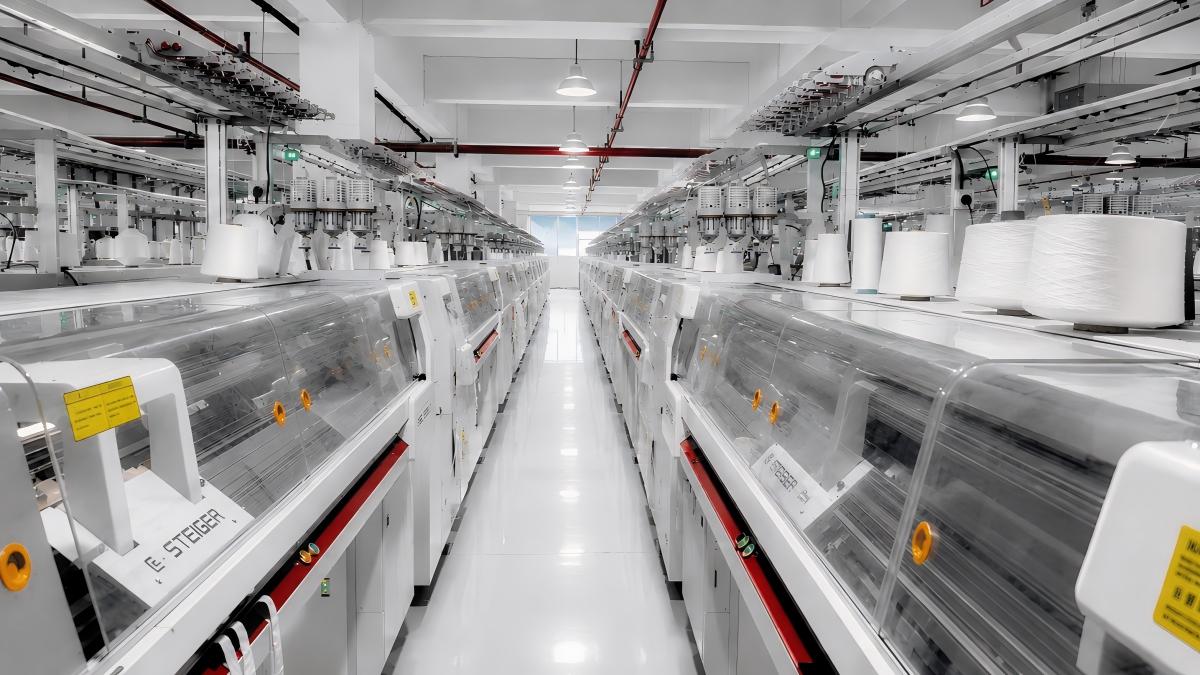
- ✓ Manufacturing Resource Coordination: Based in Jiaxing Puyuan, a well-established knitwear production hub, KAIDA combines industry experience with its own factory resources. This background supports coordination between product requirements and manufacturing arrangements, giving B2B buyers a knitwear-focused partner for projects that require practical production planning.
- ✓ Procurement Planning Support: KAIDA works with overseas brands, wholesalers, and sourcing teams to clarify the commercial requirements of each project. Discussions can cover planned quantities, assortment structure, purchasing priorities, and target delivery windows, helping buyers align manufacturing arrangements with their seasonal buying plans.
- ✓ Production Program Flexibility: Different customers may approach knitwear projects with different product ranges, purchasing schedules, and development priorities. KAIDA can discuss project-specific arrangements for new styles, collection extensions, and subsequent orders, with the scope determined by the confirmed requirements of each project.
- ✓ Long-Term OEM Collaboration: KAIDA aims to support B2B customers developing their own knitwear products through ongoing manufacturing cooperation. By understanding a buyer's product direction and commercial objectives, the company can discuss future style development and production needs within a continuing supplier relationship, rather than treating each style as an isolated transaction.
RELATED PRODUCTS
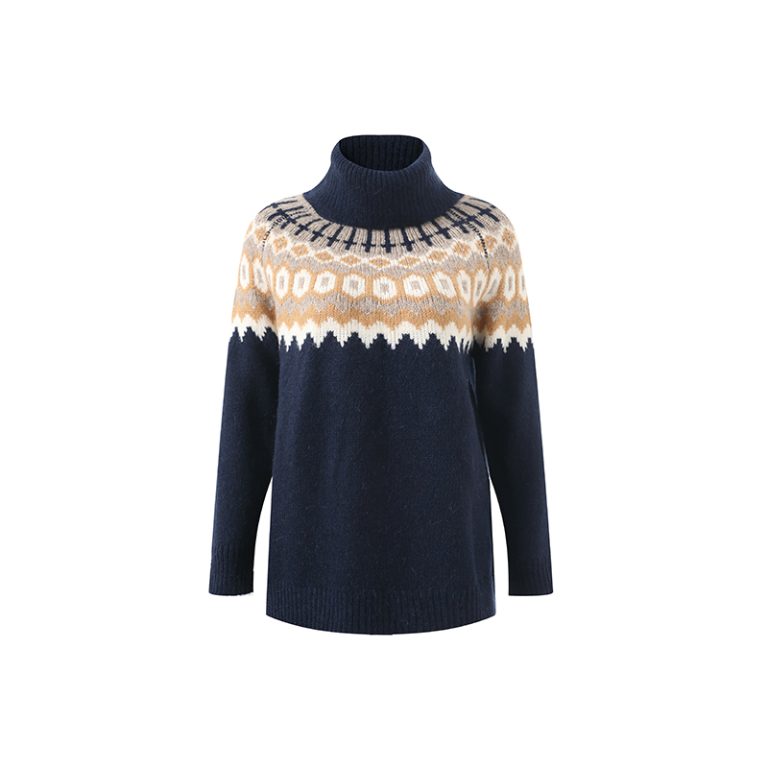
Custom OEM Women's Fair Isle Turtleneck Sweater Factory | Chunky Knitwear Supplier
VIEW MORE →
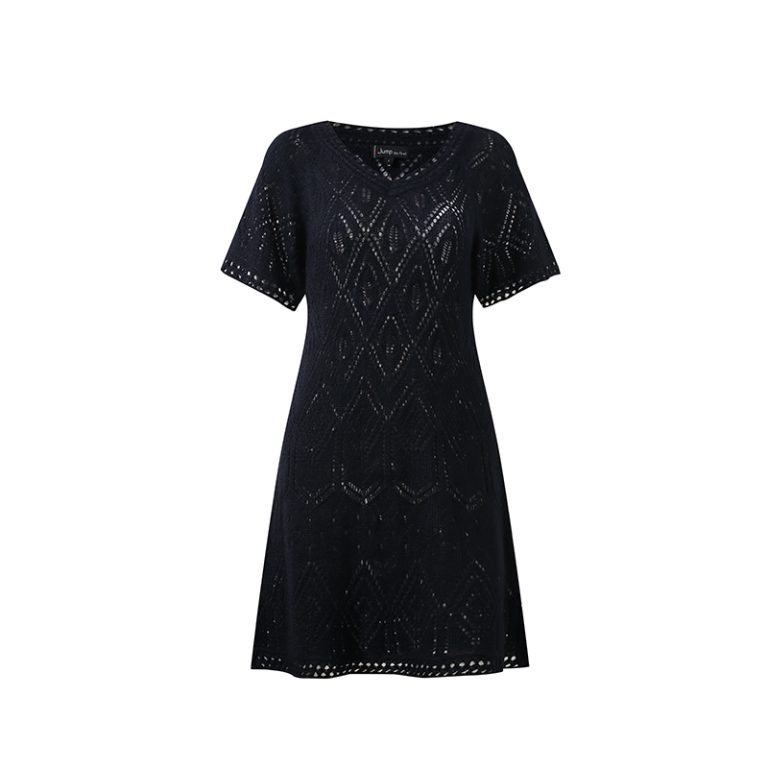
Private Label Open Knit Maxi Dress Manufacturer | Women's Mohair Blend Knitwear
VIEW MORE →
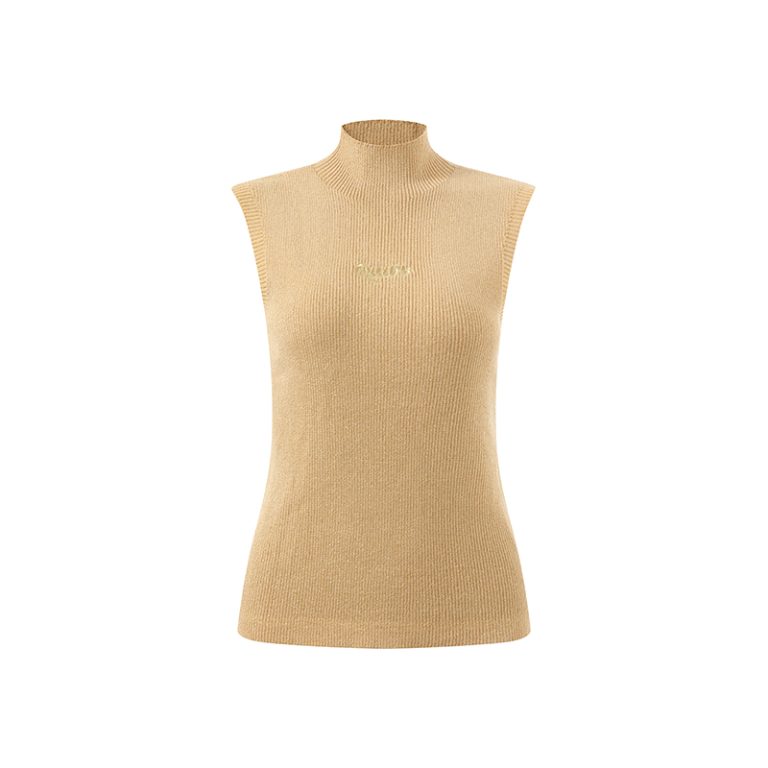
12GG Knit Vest Manufacturer China | Women's Lightweight Mock Neck Sleeveless Sweater
VIEW MORE →
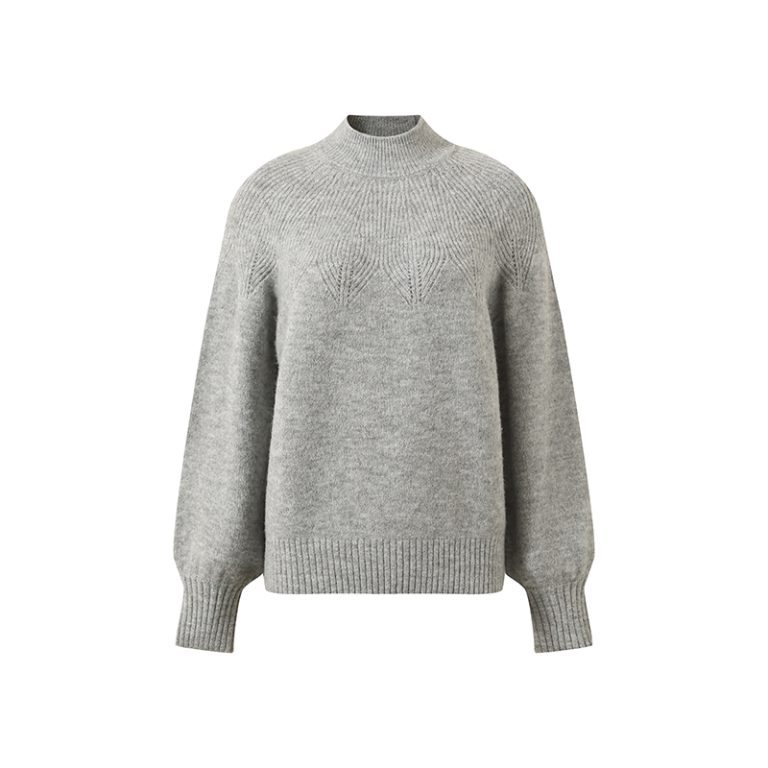
Custom Mohair Blend Mock Neck Sweater Manufacturer | 7GG OEM Knitwear
VIEW MORE →