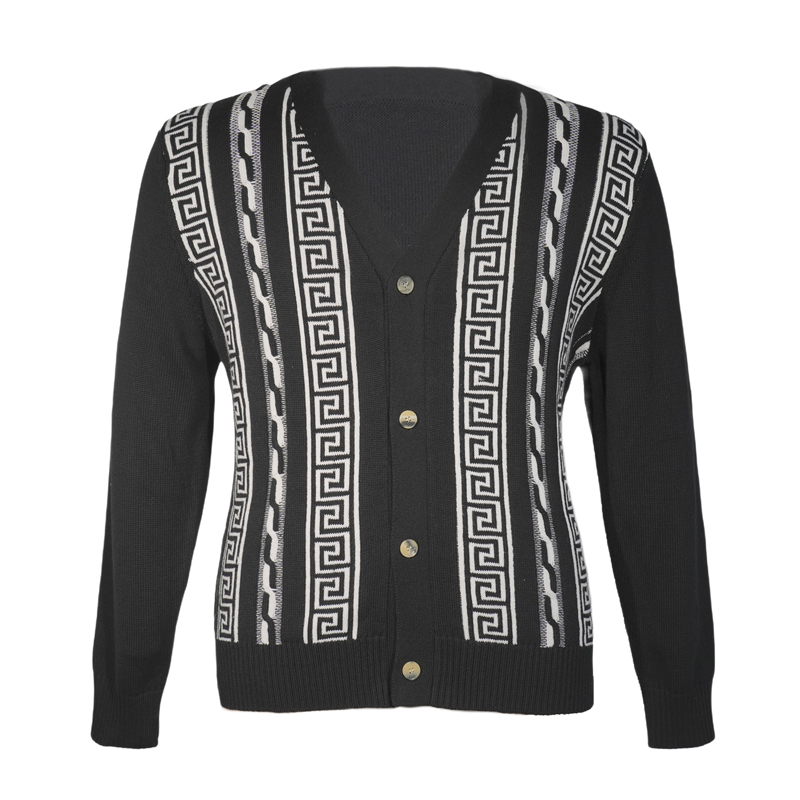
MEN'S SWEATER
Wholesale Men's Greek Key V-Neck Cardigan Factory
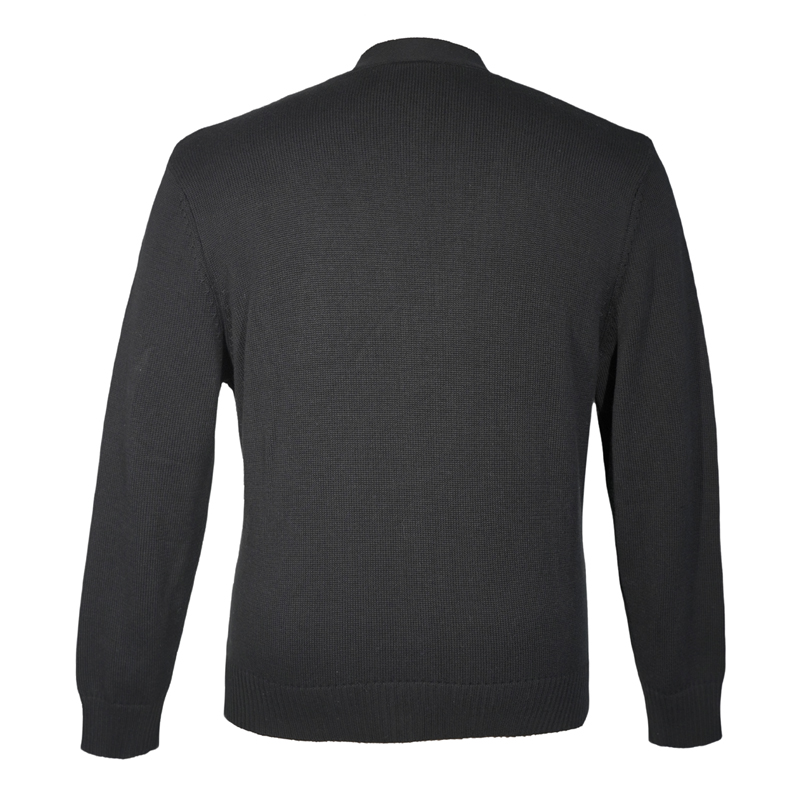
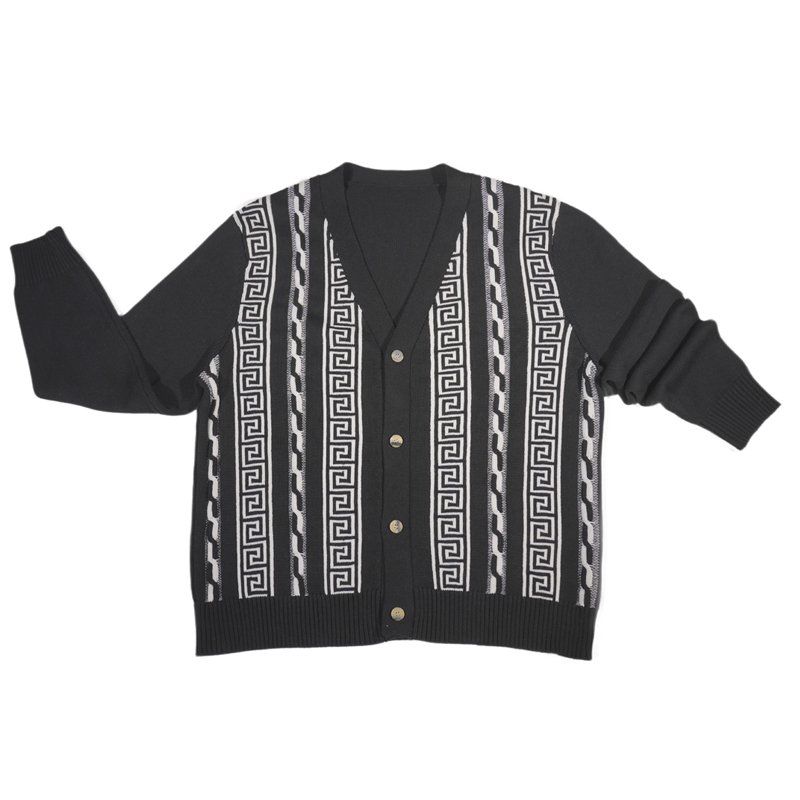
This men's Greek key V-neck cardigan combines a classic long-sleeve silhouette with a distinctive geometric pattern. Made from a 51% cotton and 49% acrylic blend, it features a 7-gauge knit construction, a navy blue body, ribbed cuffs, and a ribbed hem. Designed for overseas clothing brands, wholesalers, and OEM buyers, this style offers a patterned knitwear option for men's collections, with product development and bulk manufacturing available according to order requirements.
OEM & ODM
Available
Low MOQ
From 100 pcs
7-12 Days
Sampling
Worldwide
Shipping
- Sleeve
- Long Sleeve
- Knit Gauge
- 7GG
- Material Composition
- 51% Cotton, 49% Acrylic
- Color
- Black
- Pattern
- Patterned Design
- Neckline
- V-Neck
- Front Closure
- Button-Front Closure
- Cuffs
- Ribbed Cuffs
- Hem
- Ribbed Hem
- Garment Weight
- Approx. 680g
- OEM Service
- Available for Confirmed Buyer Specifications
- Private Label
- Requirements to Be Confirmed
PRODUCT OVERVIEW
Within men's knitwear collections, basic styles and patterned designs serve different purposes. Solid-color cardigans often provide everyday versatility, while distinctive patterns introduce visual interest and help create a more recognizable collection. This men's Greek key V-neck cardigan features a navy blue base complemented by a geometric Greek key pattern. The V-neck silhouette maintains a classic cardigan appearance, while the long sleeves, ribbed cuffs, and ribbed hem create a coordinated overall finish. A Patterned Knitwear Option for Men's Collections The Greek key pattern is characterized by its continuous geometric lines and repeated motifs. It can complement classic, vintage-inspired, and decorative menswear collections. Compared with a plain cardigan, a patterned style requires additional attention to motif proportions, arrangement, and visual consistency across the garment. During development, confirming the pattern reference, placement requirements, and intended overall appearance can help reduce misunderstandings during production. OEM Manufacturing for Wholesale Buyers JIAXING KAIDA APPAREL CO., LTD. provides OEM knitwear manufacturing services for overseas clothing brands, wholesalers, and private label customers. Buyers can submit design drawings, reference images, technical packs, or physical samples to communicate their development requirements. Product specifications and production arrangements can then be discussed according to the design brief, size requirements, trims, and delivery schedule. With a minimum order quantity of 100 pieces per color and 300 pieces per style, this cardigan can be considered for planned wholesale purchases and branded menswear collections.
CUSTOMIZATION OPTIONS
Pattern Proportion and Placement
Review the visual scale, spacing, and placement of the Greek key motif across garment panels, using sample approval to confirm the intended appearance.
Pattern and Ground-Color Coordination
Discuss the relationship between the pattern and the base color in line with the brand's collection palette, using approved color references and samples for production.
Brand-Specific Fit Documentation
Prepare measurement specifications according to the brand's sizing system, target market, and fit requirements, including key measurements and grading rules.
Trims and Decorative Details
Discuss buttons, decorative trims, and other design-related details where required, confirming materials, colors, and placement during development.
Order Allocation and Packaging Identification
Coordinate quantities by style, color, and size according to the purchasing plan, along with carton markings, packing documentation, and order identification requirements.
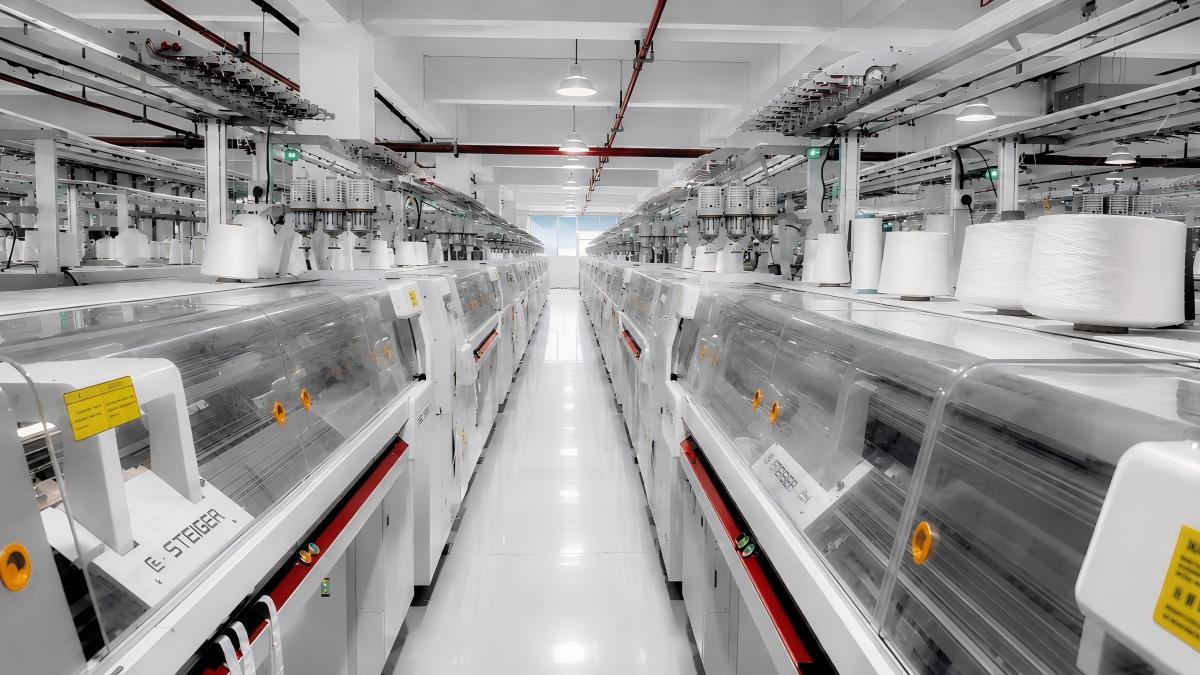
MANUFACTURING CAPABILITY
- ✓ JIAXING KAIDA APPAREL CO., LTD.
- ✓ From a design drawing to a finished knit garment, development involves several steps, including design interpretation, sample evaluation, specification confirmation, and production preparation. Each style has different development priorities. For a knit cardigan with a continuous geometric pattern, particular attention is needed to the relationship between pattern execution and the overall garment proportions.
- ✓ JIAXING KAIDA APPAREL CO., LTD. provides OEM knitwear manufacturing services for overseas brands and wholesale buyers, coordinating development documentation, sample feedback, and production requirements according to the needs of each style.
- ✓ Design Documentation Review and Pattern Requirement Planning: Buyers can provide design drawings, product images, technical packs, or reference garments. During the initial review, the development team can organize the pattern characteristics, placement relationships, panel coordination requirements, and other key design information.For a continuous geometric motif such as the Greek key pattern, motif scale, spacing, and arrangement can directly affect the visual appearance of the finished garment. Clarifying which details must remain consistent helps reduce communication gaps during sample development.
- ✓ Knit Structure and Development Feasibility Assessment: Once the design information has been reviewed, the proposed development approach can be discussed in relation to the garment construction and intended appearance. For patterned knitwear, the pattern should be evaluated as part of the complete garment rather than judged solely by the clarity of an individual motif.Depending on the sample results, development discussions may cover pattern appearance, panel coordination, garment proportions, and other details requiring confirmation. Any construction adjustments should be based on the actual product requirements and development results rather than assumed production capabilities.
- ✓ Sample Feedback and Revision Record Management: Sampling provides an important opportunity for buyers to confirm the product direction. In addition to reviewing the overall appearance, requested revisions should be recorded as specific actions, such as changes to pattern placement, neckline proportions, measurements, or localized finishing.Keeping clear records of each round of feedback and distinguishing approved items from pending revisions helps improve communication. Once the sample is approved, the relevant records should be retained as a reference for production preparation.
- ✓ Production Documentation and Order Requirement Coordination: Before bulk production begins, the confirmed product requirements should be organized into clear production references. These may include style information, measurement standards, pattern references, color requirements, trim details, and packaging instructions.For orders involving multiple sizes or colors, quantity allocation and supporting documentation should also be checked for consistency. Preparing these details in advance can reduce risks associated with missing information, conflicting document versions, or inconsistent interpretations of the order requirements.
- ✓ Inspection Planning for Patterned Knitwear: Inspection priorities should reflect the characteristics of the product and the buyer's requirements. In addition to standard appearance and measurement checks, patterned knitwear may require attention to Greek key motif alignment, visual coordination between panels, ribbed finishing, visible knitting defects, and overall garment condition.If the buyer has a specified inspection standard or requires third-party inspection, these requirements should be clarified before order execution. Clear inspection criteria help both parties assess product quality against the same reference rather than relying on general descriptions such as “strict quality control.”
- ✓ Order Coordination and Delivery Documentation: Bulk orders often involve several related requirements, including style documentation, size allocation, labeling, packaging, and delivery arrangements. Clarifying each requirement and its approval stage before production helps buyers coordinate purchasing plans with their sales schedules.For customers with specific packaging, carton-marking, or order-identification requirements, the relevant information should be prepared and checked in advance. Clear delivery documentation also supports receiving procedures, inventory management, and communication about future replenishment orders.
- ✓ An OEM Partner for Overseas Brands and Wholesalers: KAIDA works with buyers using confirmed product requirements as the basis for coordinating knitwear development, sample feedback, production documentation, inspection arrangements, and delivery communication. For brands and wholesalers developing patterned men's knitwear, clear development records and production standards help organize the purchasing process and provide a useful foundation for future collection planning.
RELATED PRODUCTS
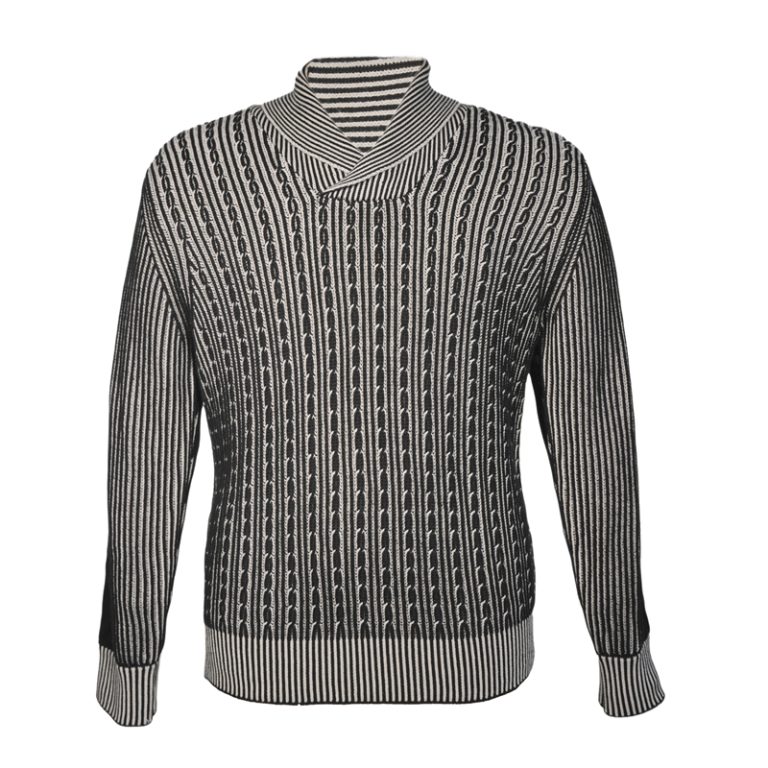
Custom Men's Shawl Collar Cable Knit Pullover Sweater Manufactory
VIEW MORE →
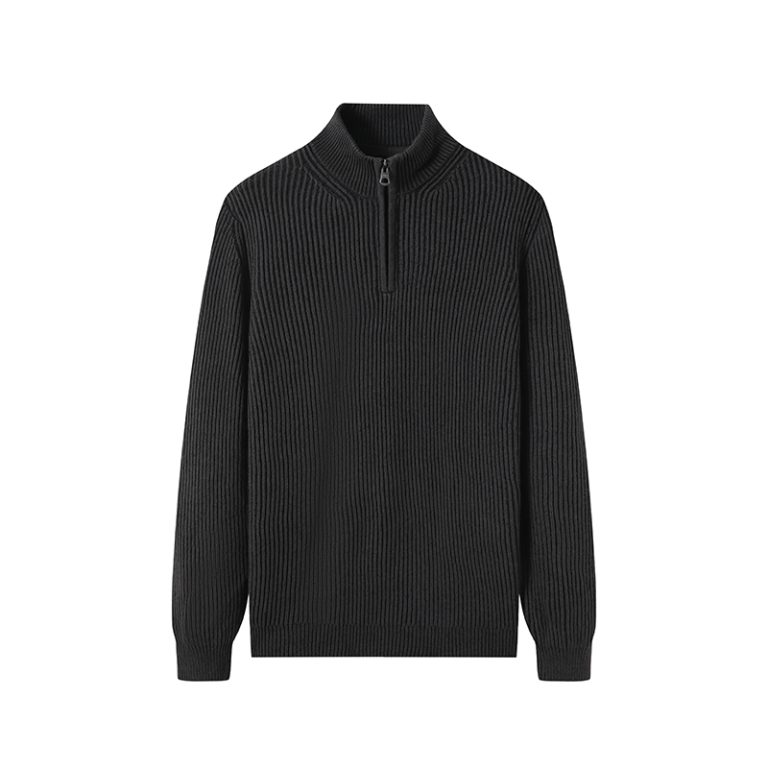
Custom Fisherman Rib Cotton Wool 1/4 Zip Stand Collar Sweater Manufacturer China
VIEW MORE →
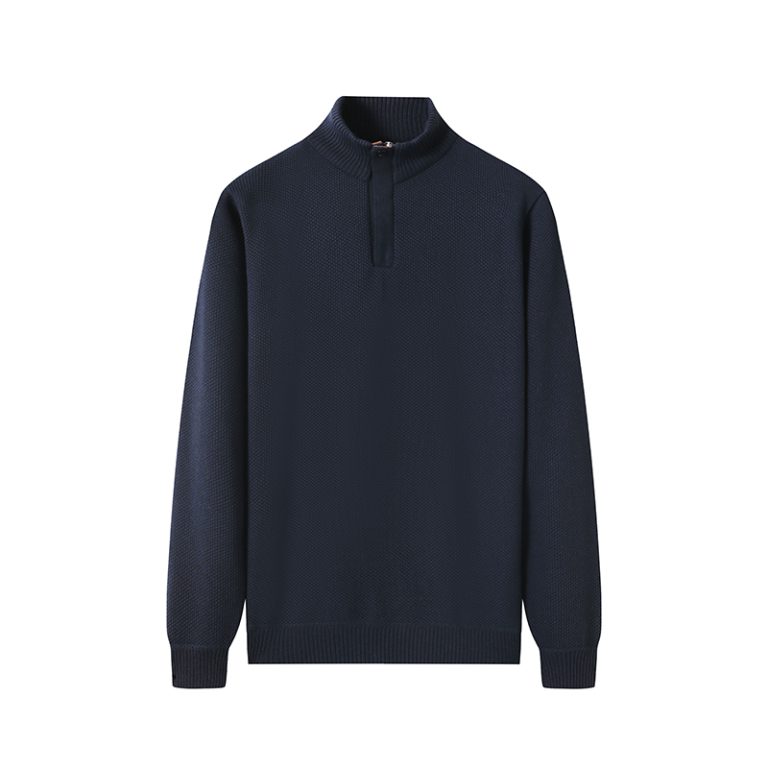
Men's Quarter Zip Sweater Manufacturer | 12GG Textured Polyester Knit
VIEW MORE →
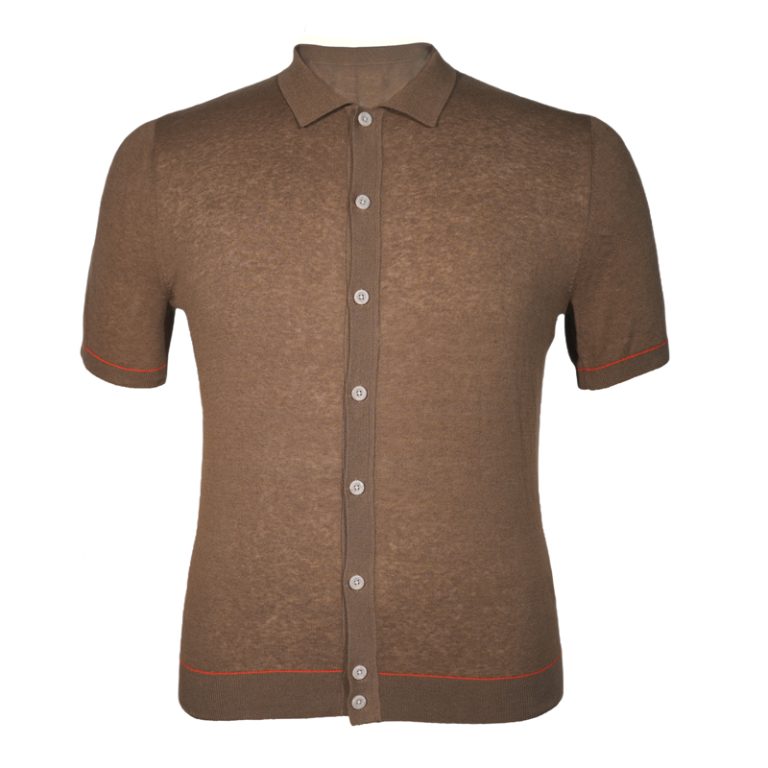
Wholesale Men's Short Sleeve Polo Collar Knit Cardigan Manufacturer
VIEW MORE →