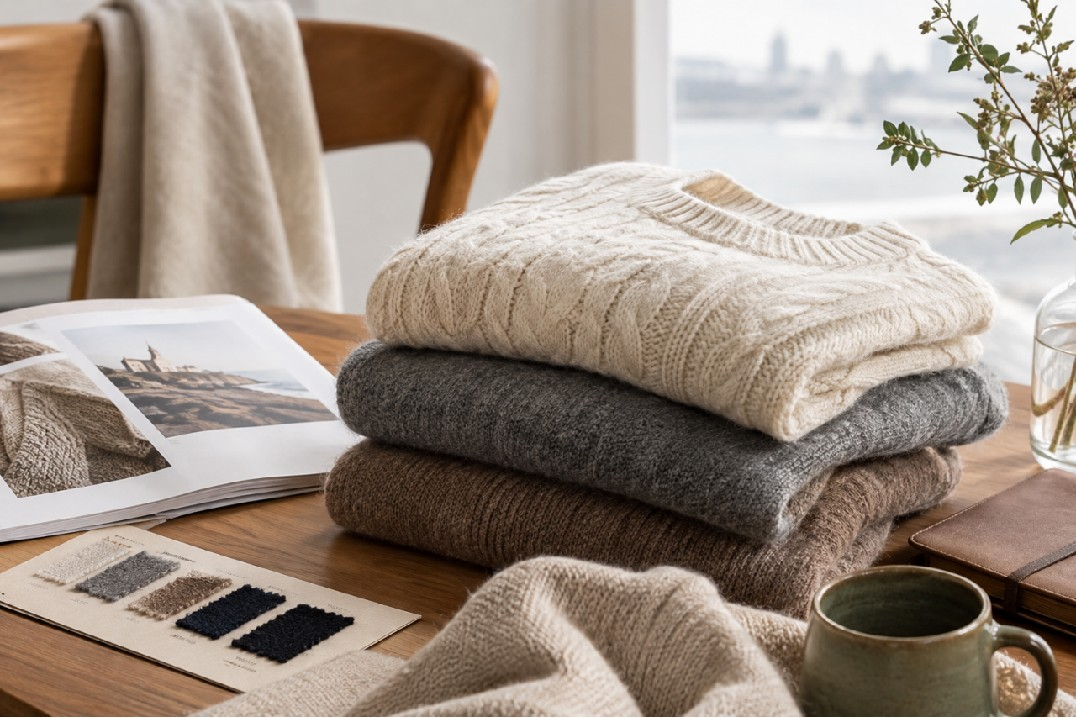
In recent years, the overseas knitwear market has been undergoing changes. Consumers’ focus on knitwear has gradually shifted from the novelty of styles toward product quality, design identity, wearing experience, and long-term value.
For knitwear brands, the final effect of a sweater depends not only on its visual design but also on brand positioning, product style, silhouette, knit structure, and attention to detail.
Looking at overseas knitwear brands, we can see that some brands do not attract consumers by continually increasing the number of products. Instead, they build their design style and product system around core products.
Therefore, understanding 2026 premium knitwear trends requires not only paying attention to what products brands have launched, but also observing how they build brand identity through product design, and how these trends can be applied to actual knitwear product development.
I. Product Characteristics of 9 Overseas Knitwear Brands
1.RILABEL: Building Product Identity Through High-Quality Basics
RILABEL is based in Northern Italy. Its products lean toward a modern, minimalist approach to everyday wear, with an emphasis on natural materials, comfort, and long-term value.
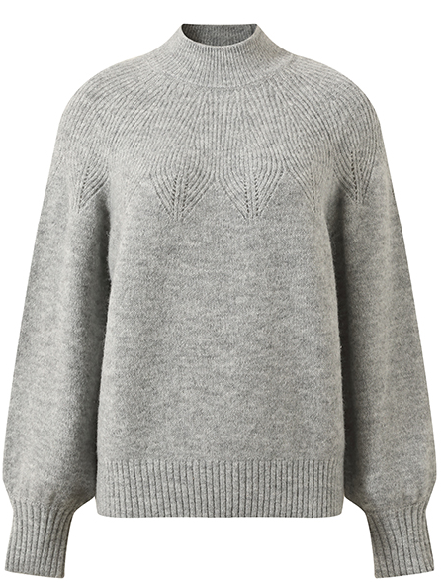
What makes this brand noteworthy is that it does not over-rely on complex design; instead, it builds product distinction through the overall quality and details of its basics. For knitwear brands, basics can equally become the core products for long-term development.
2.Nicky Dupont Knitwear: Bringing Retro Elements into Modern Knitwear
Nicky Dupont Knitwear is from the UK and features distinctly retro knitwear, establishing visual identity through jacquard patterns, distinctive colorways, and textured designs.
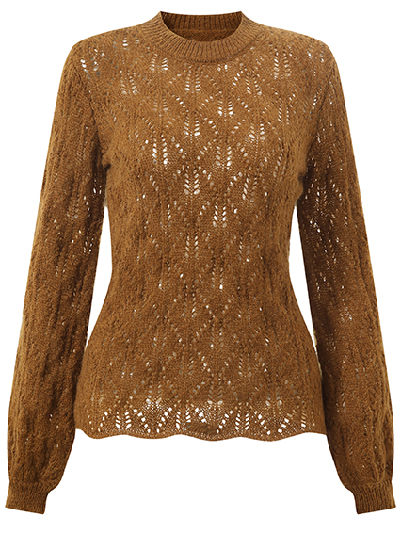
This case shows that traditional knitwear elements still offer significant room for design. The key is to combine them with modern aesthetics and wearing needs, rather than simply copying past styles.
3.Aethel: Building Brand Style by Streamlining Product Lines
Aethel is a niche London-based brand that focuses on streamlined SKUs and core product development, with an overall design leaning toward the simple and classic.
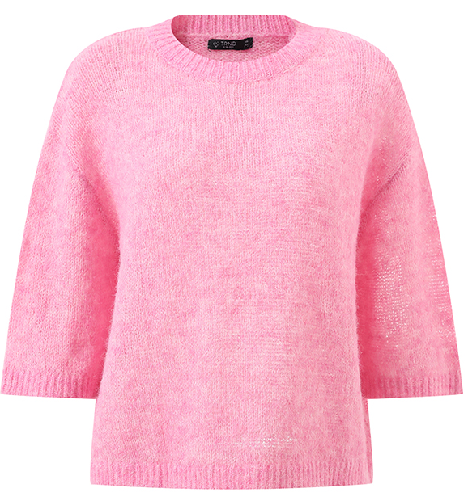
This product strategy shows that brands do not necessarily need to continuously increase the number of new styles. They can also build a stable product system and brand identity by continuously optimizing core products.
4.BILULU: Unifying Materials, Colors, and Silhouettes into a Cohesive Style
BILULU is based in Rome, Italy, and emphasizes natural materials, natural colors, and gender-neutral design.
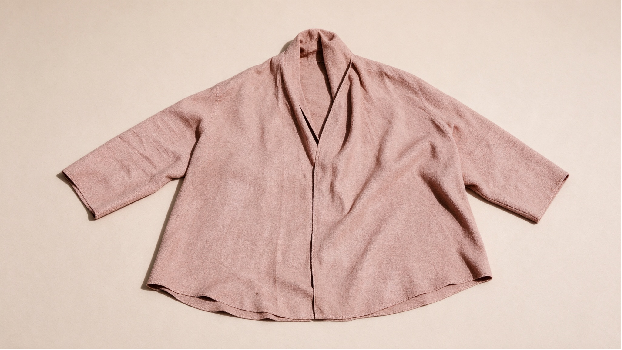
This brand demonstrates a direction worth noting: product differentiation does not have to come from complex decoration. It can also be achieved through the coordinated relationship between materials, colors, and silhouettes to form a distinctive design language.
5.Kristel Kuslapuu: Making Knit Structure a Design Feature
Kristel Kuslapuu is an independent designer brand with a distinctly artistic style, emphasizing three-dimensional structure, special textures, and knitwear designs with strong visual impact.
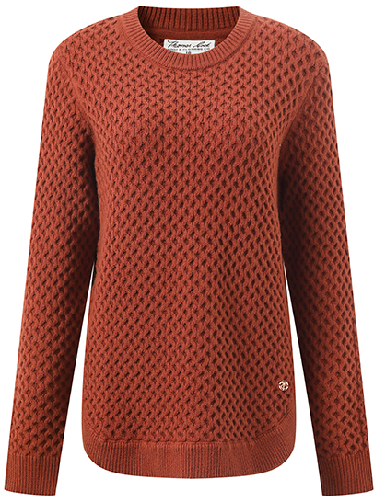
This type of product shows that knit structure is not merely a method of garment construction; it can also be an important component through which a brand expresses its design philosophy.
6.Susan Holton Knitwear: Focusing on Long-Term Wearing Value
Susan Holton Knitwear is a British slow-fashion knitwear atelier that emphasizes traditional knitting craftsmanship, natural materials, and the long-term value of products.
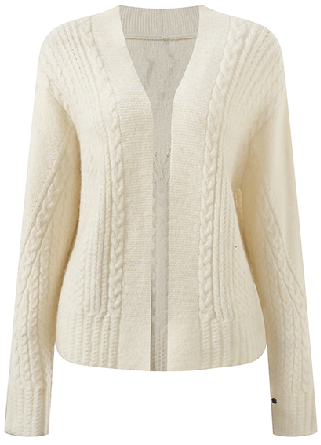
This case illustrates that knitwear is not just a seasonal warming garment. Through comfortable wearing experience and classic design, it can also become a long-term staple in consumers’ everyday wardrobes.
7.Julia Allert: Establishing Visual Identity Through Silhouette
Julia Allert is characterized by architectural silhouettes and structured knitwear, with an emphasis on garment proportions, overall contours, and design details.
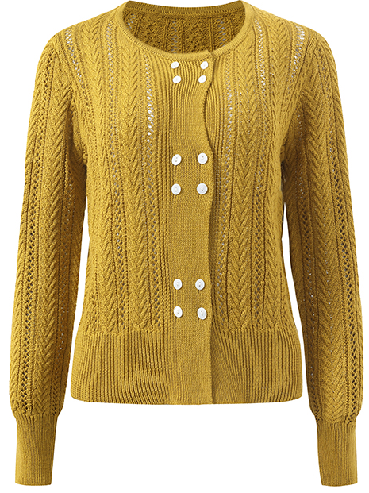
This brand shows that knitwear design is not just a matter of pattern and color variation. Silhouette itself can equally form a distinct brand style.
8.Studio Myr: Combining Minimalist Design with Natural Materials
Studio Myr is from the Netherlands and focuses on small-batch production, simple design, and the coordination between materials.
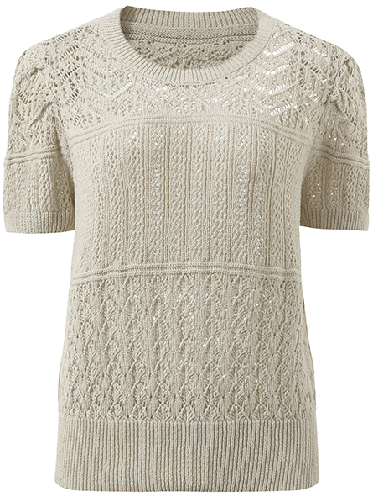
It embodies another approach to product development: rather than relying on excessive decoration, one can equally establish differentiation through overall design, wearing experience, and product style.
9.Hekne: Emphasizing Cross-Season and Long-Term Wear
Hekne emphasizes practicality and long-term wearing value, with a product style leaning toward natural, classic knitwear design.
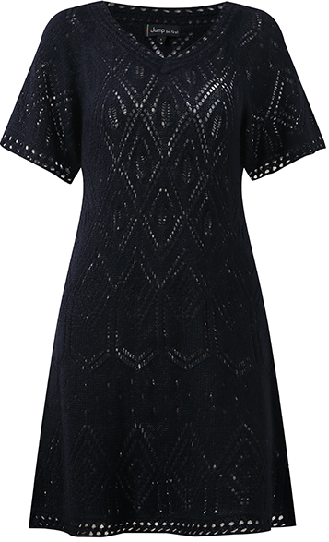
This brand reflects a direction in knitwear product development: brands can reduce reliance on short-lived trend styles and focus more on the product’s value across different seasons and everyday scenarios.
II. What Knitwear Trends Can Be Seen from Overseas Brands?
1.Basics Still Hold Long-Term Value
Premium knitwear does not necessarily require complex design. What truly matters is whether the product has a clear positioning, and whether silhouette, color, and details form a unified style.
For knitwear brands, basics are not merely part of a product line; they can also become core products for long-term maintenance and continued development.
2.Streamlined SKUs as a Product Development Approach
Some brands prefer to continually optimize around a small number of core products, rather than constantly launching large numbers of new styles that lack connection to one another.
This approach helps build a clearer product range and allows different products to form a unified design language.
3.Natural Materials as Part of Brand Expression
Natural fibers continue to receive attention in premium knitwear products, but brand differentiation is not merely about choosing a particular material — it is about how the material matches the product positioning, design style, and wearing needs.
Therefore, material selection should serve the overall product direction, rather than becoming a standalone marketing selling point.
4.Knit Structure Gradually Becoming Part of Brand Identity
Jacquard, cable, color-blocking, and special textures are designs that help a brand form a distinctive product style.
For design-driven knitwear brands, what truly matters is not that the craftsmanship be as complex as possible, but whether the structural design stays consistent with the overall silhouette and brand positioning.
5.Products Increasingly Valuing Long-Term Wearing Value
As product positioning shifts, some knitwear brands are paying more attention to practicality, styling versatility, and long-term value.
This means product development cannot only consider current seasonal trends. It must also consider whether the product can adapt to different wearing scenarios and remain appealing over a longer period.
6.Gender-Neutral and Inclusive Design Offering More Product Directions
Some brands expand the scope of product application through more inclusive silhouettes and design approaches. However, this is not simply merging menswear and womenswear; it requires planning from the perspective of overall design and actual wearing needs.
III. How Do These Trends Affect Overseas Brands’ Product Planning?
From these brand cases, we can see that knitwear product development is shifting from designing individual products in isolation toward building a complete product system.
Brands need to consider the relationships between different products, allowing basics, design pieces, and products of different positioning to form a unified collection, rather than simply increasing the number of styles.
At the same time, product development also needs to revolve around target consumers and actual wearing scenarios. Brands should first clarify product positioning, design direction, and collection planning, and then translate these into specific garment design.
For overseas brands, building a stable core product system helps maintain consistency in brand style and gives subsequent product development a clearer direction.
IV. From Brand Trends to Actual Knitwear Product Development
Industry trends ultimately need to be translated into actual products. After a brand confirms its design direction, it must still combine product positioning, overall silhouette, knit structure, and production feasibility to turn the design concept into achievable garments.
For knitwear with special structures or design details, sample development is an important step in verifying the design effect. It also helps the brand further clarify the final product’s appearance and detail requirements.
Therefore, effective communication between brand design and actual production is essential, allowing design concepts to be transformed into products that align with brand positioning, and preparing for subsequent mass production.
V. How Does Jiaxing Kaida Apparel Co., Ltd. Support Knitwear OEM Development?
Jiaxing Kaida Apparel Co., Ltd. primarily serves overseas brands, wholesalers, and garment sourcing clients with knitwear OEM development and production services. Its product range covers wool and wool-blend knitwear, classic basics, and products featuring different knit structures and design characteristics.
Clients can start from product images, design drawings, Tech Packs, or reference samples, carry out custom development based on product positioning, confirm specific design requirements at the sample stage, and then move on to bulk production.
For overseas brands seeking to build long-term knitwear product lines, OEM collaboration requires not only completing product production, but also keeping design direction, sample development, and bulk production execution coherent.
Jiaxing Kaida Apparel Co., Ltd. is committed to supporting overseas brands in transforming product designs into actual knitwear, providing OEM development and production support for both commercial basics and design-driven knitwear.
To learn more about knitwear products and OEM services, please visit: https://kaidaknitwear.com/
Conclusion
In the 2026 premium knitwear market, what deserves attention is not only the change in trend styles, but also how brands establish clear product positioning, unified design language, and product systems for long-term development.
For overseas knitwear brands, continually optimizing core products, maintaining consistency in collection style, and integrating design concepts with actual product development are important directions for building brand identity.
For knitwear OEM manufacturers, understanding a brand’s product positioning and supporting the process from design to sample and then to mass production can help brands turn product ideas into actual market-ready products.
From observing brand trends to bringing products to market, the effective connection between design and manufacturing is a vital link in the continued development of knitwear products.