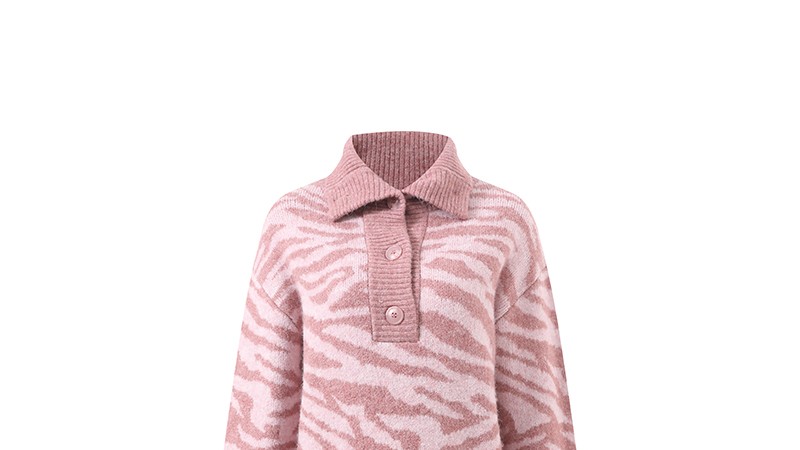
Why Gauge, Construction, and Metallic Integration Matter for Holiday Knitwear Sourcing
When developing women’s holiday knitwear sourcing or private label winter assortments, buyers face a critical trade-off: visual impact versus wearability, seasonal novelty versus long-term durability. The metallic polo neck sweater OEM presents a distinct option — not merely decorative, but engineered for structural integrity at 624g ± 20g weight and built on a 5GG heavy gauge foundation. Unlike lightweight metallic knits that risk pilling or rapid shape loss, this construction relies on fully fashioned chunky rib patterning and a precisely balanced yarn blend (52% polyester, 22% acrylic, 16% nylon, 5% metallic fiber, 5% wool) to deliver both statement presence and functional resilience. For DTC brands launching capsule collections or boutiques curating seasonal statement pieces, understanding how these technical parameters interact with production timelines and customization scope directly affects collection coherence, margin planning, and QC readiness.
How 5GG Heavy Gauge Differs From Standard Knit Structures
Gauge defines needle count per inch and fundamentally shapes drape, density, and thermal mass. A 5GG heavy gauge produces visibly thick, low-stretch stitches — ideal for chunky rib textures and structured silhouettes like the metallic polo collar. This contrasts sharply with finer gauges (e.g., 7GG–12GG), which yield softer, more fluid knits better suited for layering under jackets than standalone winter statements. Buyers evaluating private label chunky knit sweater options should confirm whether ‘heavy gauge’ refers to machine setup (e.g., 5GG machines) or final fabric density — as yarn composition and tension also influence perceived weight and recovery. The 624g ± 20g specification here reflects a consistent baseline; however, final weight may vary slightly depending on size, rib depth, and collar treatment. A brand must verify target weight tolerance during tech pack sign-off — especially when aligning with retail hangtag claims or sustainability disclosures.
Metallic Yarn Integration: Not Just Surface Shine
Metallic fiber in this context is not a surface coating or foil wrap, but an integrated 5% component of the core yarn system. Its function extends beyond aesthetics: it contributes to tensile strength and light-refractive texture within the rib structure. Because metallic fibers can vary widely in oxidation resistance and elongation, durability hinges on fiber selection — not just percentage. The provided FAQ confirms use of high-tenacity, oxidation-resistant metallic fibers validated through tumble-wash and color-fastness testing. That said, shimmer intensity and tone (gold, silver, rose gold, iridescent, matte tonal) are customizable via lab dip swatches — meaning buyers must treat metallic yarn selection as a material development step, not a late-stage color match. Brands sourcing metallic yarn sweater wholesale should allocate time for this iterative approval before sample lock-in.
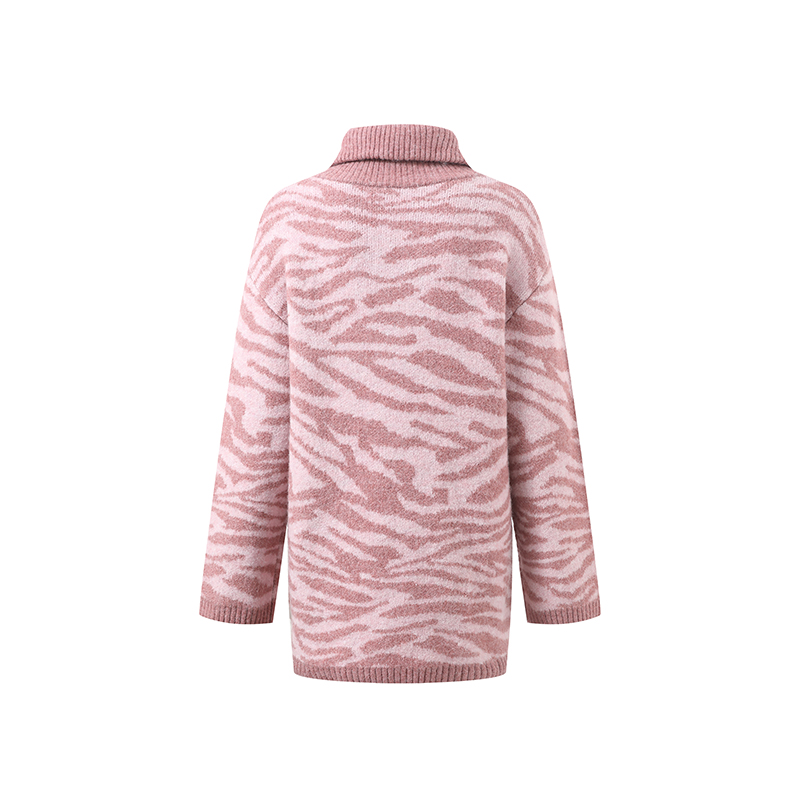
Construction & Fit: Fully Fashioned Chunky Rib Implications
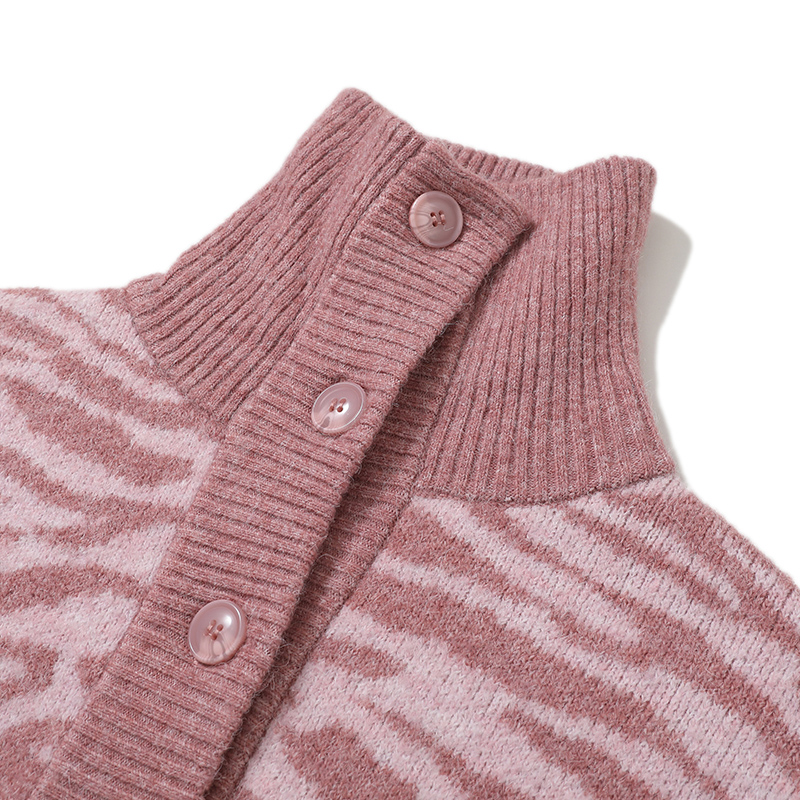
‘Fully fashioned’ means each piece is knit to shape — minimizing seam waste and enabling precise shaping control across bust, waist, and sleeve cap. When combined with chunky rib, this construction delivers intentional volume without bulk. The metallic polo collar is not an appliqué; it’s integrated into the knit pattern, ensuring continuity of texture and preventing edge roll or shrinkage mismatch. However, fully fashioned rib requires tighter tolerances in stitch transfer and tension management — making it less forgiving than cut-and-sew jersey knits. Buyers must ensure their tech pack includes clear seam placement diagrams, rib repeat specifications, and collar fold-line definitions. Shoulder seam reinforcement (e.g., internal stretch-resistant tape) is noted as part of the engineering solution for shape retention — a detail that should be confirmed in the BOM and inspected during pre-production sampling.
Selecting Based on Brand Positioning & Channel Requirements
No single knit structure fits all scenarios. For fashion DTC brand collections, the 5GG metallic polo neck works best when aligned with elevated price points and intentional styling — e.g., styled solo over tailored trousers or paired with leather skirts. It’s less appropriate for fast-fashion replenishment due to MOQ (100 pcs/color) and lead times (25–35 days production). Boutique retailers prioritizing tactile differentiation will value the hand-feel contrast between ribbed body and smooth metallic collar — but must confirm size grading accuracy across XS–3XL, especially if custom sizing is requested. Wholesale partners distributing to multi-tier accounts should assess whether the 624g weight meets regional expectations for winter warmth — and whether OEKO-TEX® Standard 100 or REACH compliance is contractually required pre-shipment.
OEM/ODM Development Checklist
- Confirm yarn substitution limits: Wool content is listed as customizable — clarify minimum/maximum thresholds for performance and cost impact.
- Validate Pantone matching method: TPX vs TCX affects dyed vs printed outcomes; metallic thread shade must be approved separately from base color.
- Define rib depth and elasticity range: Specify acceptable stretch recovery % for ribbed sections to prevent sagging after wear.
- Review seam finishing standards: Overlock type, thread color, and topstitch visibility affect premium perception.
- Align on care labeling: Metallic fiber content may require specific wash instructions (e.g., cold gentle cycle, no bleach).
Recommended Products
Women’s Metallic Polo Neck Sweater | 5GG Heavyweight — Designed for women’s holiday knitwear sourcing and private label winter assortments, this piece exemplifies the balance of structural weight, metallic integration, and fully fashioned rib construction. Suitable for fashion DTC brands building cohesive capsule collections or boutique retailers seeking differentiated statement knitwear.
Frequently Asked Questions
How does the metallic fiber maintain durability through repeated washing without tarnishing or breaking?
We use high-tenacity, oxidation-resistant metallic fibers that withstand standard washing cycles without breaking, tarnishing, or losing luster. All yarn blends undergo color-fastness and tumble-wash testing to meet international retail standards.
What engineering measures prevent a 624g heavyweight sweater from sagging or losing shape over time?
The core yarn incorporates 16% resilient nylon and reinforced synthetic fiber for structural stability. Shoulder seams are reinforced with internal stretch-resistant tape to maintain shape throughout wear and retail display.
Can the metallic thread color and shimmer intensity be customized for specific seasonal collections?
Yes. We offer a full catalog of lurex metallic yarns including gold, silver, bronze, rose gold, multi-color iridescence, or matte tonal shades. We can prepare lab dip swatches for visual approval prior to sample production.
What information must a brand provide to initiate OEM development of this style?
A complete tech pack is required: graded spec sheet, detailed sketch with measurements, stitch definition (rib repeat, collar height/fold), yarn preference notes, care label requirements, and packaging instructions. Pantone references for both base and metallic components must be specified.
How should buyers evaluate market fit before committing to production?
Conduct in-context fit testing across target sizes, assess hand-feel consistency against competitive benchmarks, and validate visual impact under retail lighting conditions. Confirm alignment with existing brand color stories and planned styling imagery — especially where metallic reflection interacts with background tones.
Conclusion
Choosing a metallic polo neck sweater OEM solution isn’t about selecting the heaviest or shiniest option — it’s about matching technical execution to brand positioning, channel expectations, and development capacity. The 5GG heavyweight knit structure offers distinct advantages for holiday and winter collections, but only when gauge, yarn integration, construction method, and customization scope are jointly evaluated. There is no universal optimum; the right choice depends on whether your priority is shelf standout, tactile luxury, supply chain agility, or long-term wear performance. Contact our team to discuss your knitwear project and explore customized manufacturing solutions.