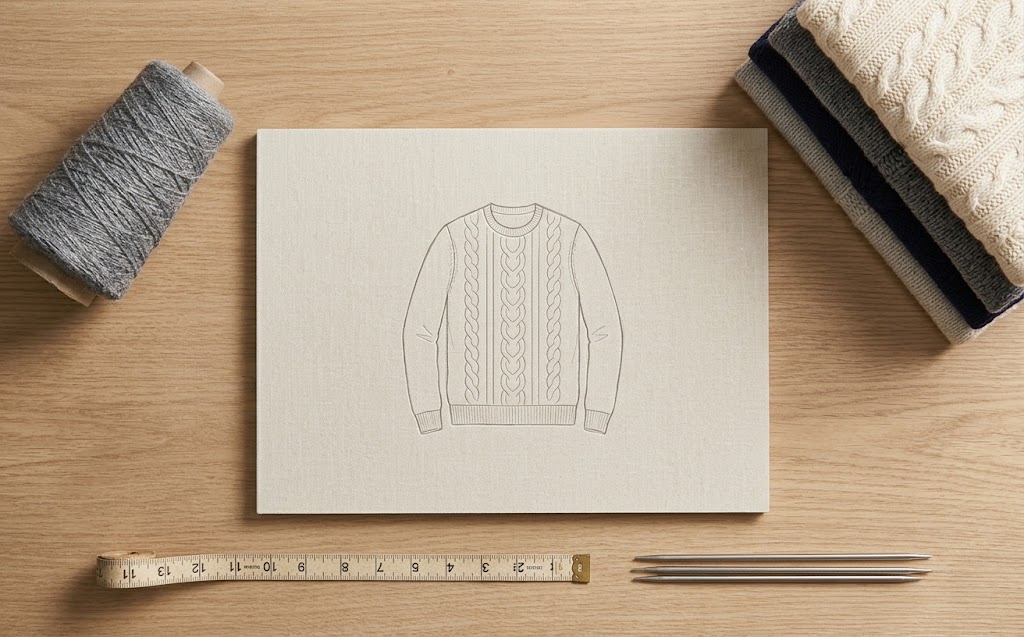
For clothing brands, taking a knitwear product from an initial design concept to full production usually involves several stages, including preparing product information, sample development, reviewing and approving the physical sample, and preparing for production.
Sometimes a design looks fine on screen, but once the sample is completed, the fit may not meet expectations, the texture may look different, or garment details may not match the original requirements. After several rounds of revisions, development time increases and the planned production schedule may also be affected.
These issues do not necessarily mean that the manufacturer lacks production capability. Knitwear has its own structural characteristics, and the design presentation, technical specifications, and finished garment need to be aligned through clear communication and sample validation.
For overseas clothing brands, wholesalers, and sourcing teams, understanding common issues in knitwear sample development can help improve development efficiency and establish a clearer working basis for subsequent OEM/ODM cooperation.
1. A Design Image Is Not a Complete Set of Production Requirements
This is one of the issues that can easily be overlooked during knitwear development.
A design image can show the overall silhouette, color combinations, and decorative details of a garment, but it usually cannot communicate all the information required for actual production.
For example, an image of a sweater may show a relaxed fit, a dimensional texture, and a special neckline. However, the manufacturer still needs to understand the specific measurements, knit structure, proportions of the details, and expected finished appearance.
If both parties rely only on the image to understand the product, they may interpret the same design differently.
How Can This Issue Be Reduced?
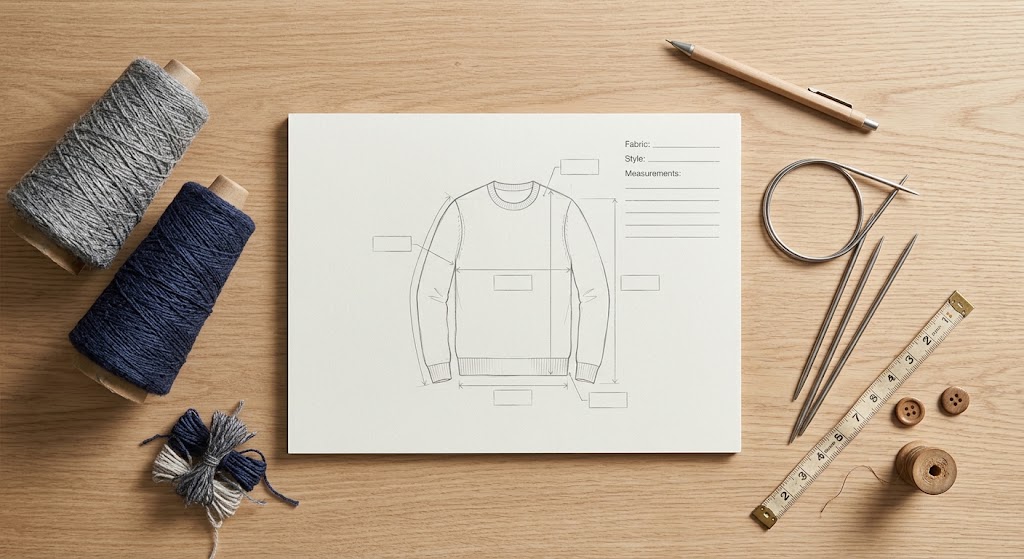
Before sampling begins, it is helpful to prepare as much of the following information as possible:
- Images of the front, back, and important details of the product.
- Measurements and fit requirements for key areas.
- References for the knit texture and structure.
- Color, trim, and branding requirements.
- Descriptions of the expected hand feel, appearance, and wearing effect.
If the brand already has a complete Tech Pack, it can serve as the main reference for development. If the project is still at an early design stage, reference images and design notes can be provided first, and the manufacturer can help identify what additional information is needed.
The key is to translate the design concept into product requirements that both parties can understand and execute.
2. Fit Issues Often Need to Be Confirmed with a Physical Sample
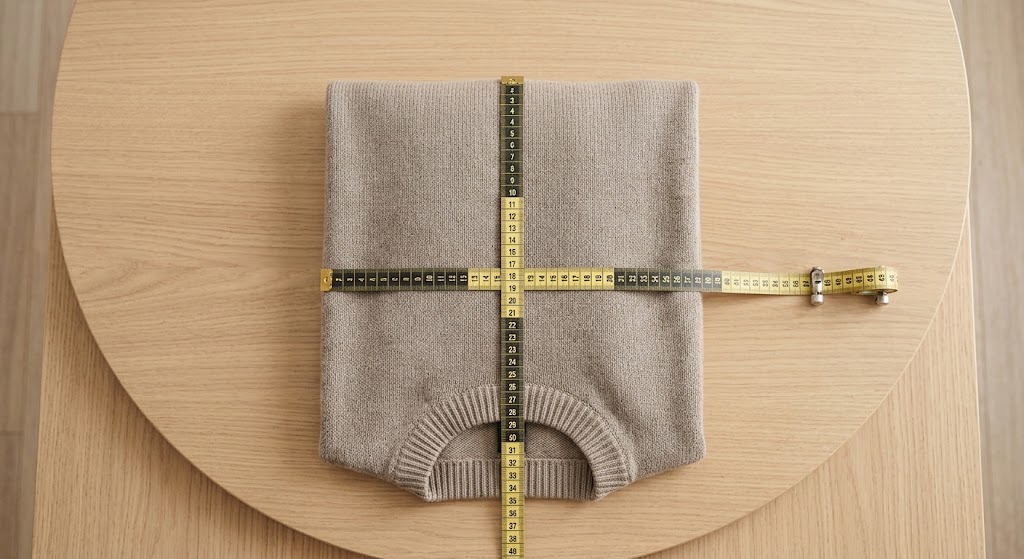
The fit of knitwear depends not only on the measurement chart, but also on the knit structure, material characteristics, garment proportions, and finishing methods.
Even when two sweaters have similar basic measurements, their final appearance and fit may differ.
For example, a relaxed-fit sweater requires attention to the balance between body proportions, shoulder shape, and sleeve shape. A fitted knit top requires closer attention to the chest and waist measurements and the overall fit against the body.
If a brand checks only whether individual measurements meet the specifications without assessing the overall fit, further revision requests may arise after the sample is completed.
What Should Be Checked at the Sample Stage?
It is recommended that measurement checks be combined with an assessment of the overall fit and appearance:
- Key measurements such as body length, chest, shoulder width, and sleeve length.
- The overall proportions of the shoulders, cuffs, hem, and neckline.
- The balance between the body and sleeves.
- Ease of movement and wearing comfort in actual use.
- Whether the garment’s appearance matches the intended design direction.
For projects that require multiple rounds of revision, clarify the reason for each change, the intended result, and the approval outcome. This helps prevent differences in interpretation between rounds.
3. Knit Textures May Differ from the Design Image
The visual effect of knitwear comes not only from its color and silhouette, but also from the knit structure itself.
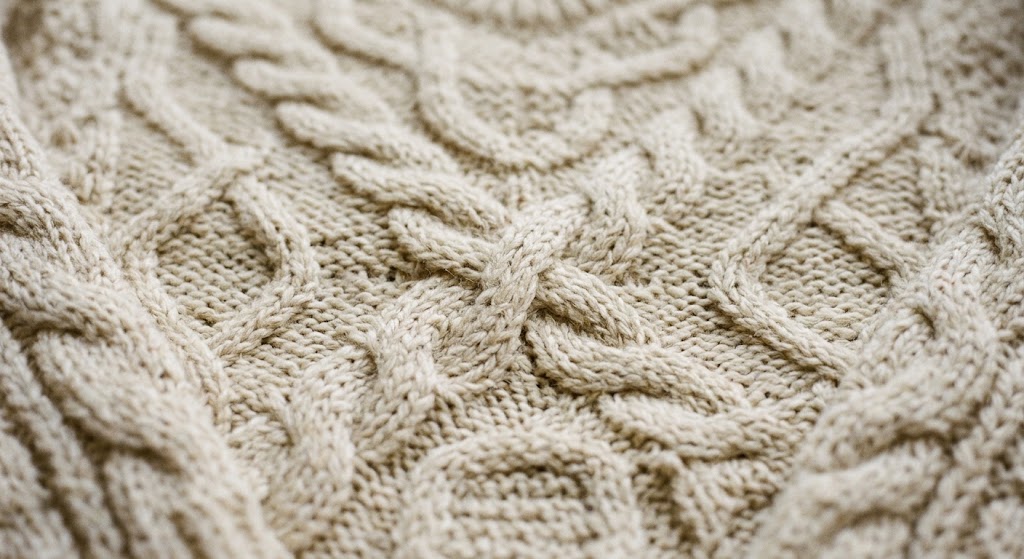
Rib, cable knit, jacquard, waffle knit, and other structures can create different surface textures and dimensional effects. However, the visual representation in a design image may not fully reflect the characteristics of the actual knitted structure.
For example, different arrangements of a cable-knit structure may produce different levels of relief. For jacquard products, the proportions of the pattern, color transitions, and overall placement also need to be considered.
Therefore, during knitwear sample development, structural details should be reviewed as a separate item rather than judged only by the overall appearance.
How Can Structure Approval Be More Efficient?
Brands can provide clear close-up images, knit-structure references, or an existing sample, and explain which details must be retained as essential design requirements.
The manufacturer should then assess how the design presentation aligns with the production techniques available for the specific product.
For products with more complex structures, the following points should be checked carefully at the sample stage:
- Whether the texture matches expectations.
- Whether the pattern placement and overall proportions are balanced.
- Whether transitions between different structures look consistent.
- Whether the neckline, cuffs, and hem match the design.
These checks can help identify areas that need adjustment early, before the issues carry over into later production stages.
4. Vague Sample Feedback Can Lead to More Rounds of Communication
In cross-border apparel cooperation, clear communication directly affects the efficiency of sample development.
For example, a brand may comment that “the sleeves need to fit better” or “the texture is not pronounced enough.” Although these comments indicate the direction of the change, the manufacturer still needs to clarify the exact requirement.
Does the sleeve need a change in length, width, or overall shape? Does the texture require a different knit structure, or should the design proportions be adjusted?
If revision feedback lacks clear references, both parties may need several rounds of communication before reaching agreement.
Establish a More Effective Sample Feedback Process
When reviewing a sample, brands are advised to organize feedback into three parts.
1. The Current Issue
Identify the specific area and the actual difference. For example, the sleeve length may not match the approved measurement, or the jacquard pattern may be positioned differently from the design requirement.
2. The Expected Result
Clearly describe the desired outcome and, where appropriate, provide measurements, images, or annotated references.
3. Revision Priority
Distinguish changes that must be made from suggestions that can be discussed, helping both parties determine the priorities for the next step.
For samples with multiple revision points, it is helpful to consolidate the feedback into one list rather than distributing it across multiple emails or separate communication records.
This can improve communication efficiency and make subsequent sample approval clearer.
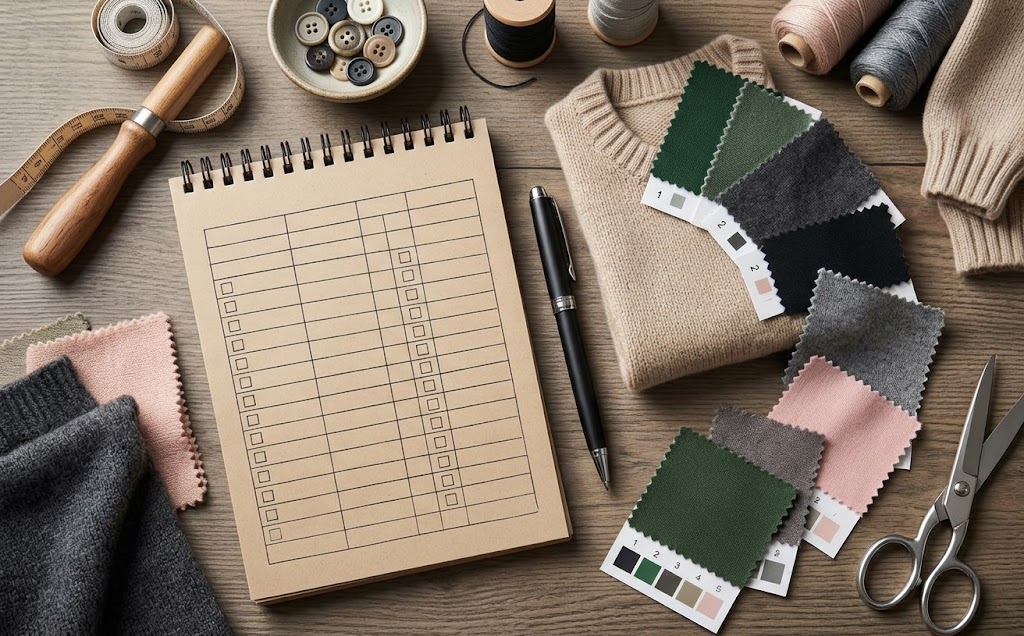
5. The Handover from Sample Approval to Bulk Production Is Not Clearly Defined
Approval of a sample does not automatically mean that every production requirement has been fully clarified.
Before production begins, the final product specifications, material information, color requirements, trims, and packaging still need to be confirmed. If sample revision records are not updated promptly, production staff may work from different versions of the information.
This issue deserves particular attention when a knitwear collection includes multiple colors or styles.
What Should Be Confirmed Before Bulk Production?
- The final approved sample version.
- Confirmed product measurements and key construction requirements.
- Material, color, and trim information.
- Branding and packaging requirements.
- Quality points that require particular attention.
- The production schedule and delivery requirements agreed by both parties.
If the design or specifications still need to be changed after sample approval, the changes and their impact on the production schedule should be confirmed before proceeding.
Connecting sample approval with production preparation helps the brand and manufacturer work from a consistent set of requirements and supports more stable order management.
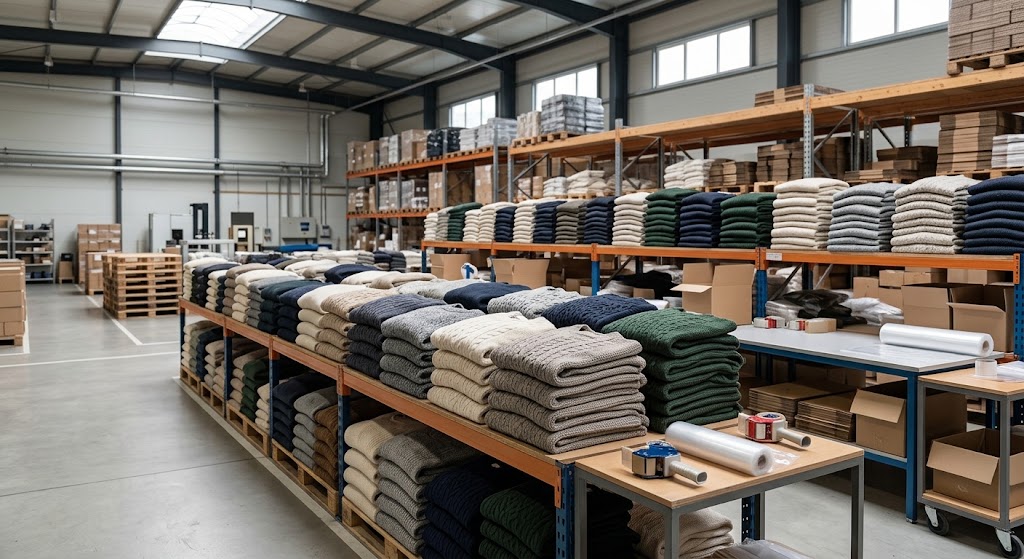
6. How KAIDA APPAREL Supports Knitwear Sample Development
JIAXING KAIDA APPAREL CO., LTD. (KAIDA APPAREL) is a knitwear manufacturing company located in Jiaxing, Zhejiang, China. It provides knitwear OEM/ODM cooperation for overseas clothing brands, wholesalers, and sourcing teams.
For a knitwear project, sample development is not simply about making a reference garment. It also involves connecting the design requirements with actual production conditions.
Depending on the project, KAIDA APPAREL supports customers in providing reference images, technical drawings, a Tech Pack, or a physical garment sample, followed by discussion of the specific product requirements.
From Product Information to Sample Approval
At the beginning of development, both parties can discuss the style, measurement requirements, knit structure, colors, trims, and garment details based on the available information.
If the product information is not yet complete, the parties can first clarify what is already available and what still needs to be confirmed, then add the necessary requirements according to the project.
From Sample Feedback to Production Preparation
After the sample is completed, the customer can evaluate it against the agreed product standards and compile a list of required changes.
Once the sample has received final approval, the relevant product specifications and production requirements can serve as important references for subsequent manufacturing. The specific development process and production arrangements should be discussed according to the style, order conditions, and project requirements.
KAIDA APPAREL’s product range includes knit sweaters, knit cardigans, knit tops, and other knitwear. Overseas brands can browse the different product categories on the website to find styles that may be suitable as references for their own collections.
Visit the KAIDA APPAREL website to learn more about its products: https://kaidaknitwear.com/
7. How to Make the Next Knitwear Sampling Round Run More Smoothly
Reducing repeated sample revisions does not mean eliminating adjustments entirely. Product development is a process of gradually validating the design, confirming specifications, and refining the finished garment.
A more effective approach is to clarify requirements as early as possible and ensure that every round of revision has a clear objective.
Clothing brands and sourcing teams can take the following steps:
- Organize Product Information: Provide clear design images, key measurements, and necessary construction notes.
- Clarify Essential Requirements: Distinguish design details that must be achieved from those that can be discussed.
- Keep Feedback in One Record: Consolidate sample issues to reduce repeated communication.
- Retain the Approved Version: Keep clear records of the final sample and related specifications.
- Prepare the Production Handover: Ensure that bulk production follows the same product requirements as the final approved version.
These practices can help make product development more manageable and establish a more consistent working process between brands and manufacturers.
Conclusion
Repeated revisions during knitwear sample development are often related to incomplete design information, different interpretations of fit, insufficient confirmation of knit structures, or unclear revision records.
By organizing product requirements in advance, establishing a clear sample feedback process, and connecting sample approval with bulk-production preparation, brands can move their knitwear development projects forward more efficiently.
KAIDA APPAREL works with overseas B2B customers on knitwear OEM/ODM projects and supports discussions around product design, sample development, and manufacturing requirements.
If your brand is developing new sweaters, knit cardigans, or other knitwear products, visit https://kaidaknitwear.com// to explore the product range and discuss your development requirements.