Tongxiang Puyuan, located in Zhejiang Province, China, is one of the country’s representative wool sweater industrial clusters. Over several decades, the region has developed from small-scale knitting workshops into a broader ecosystem covering knitwear manufacturing, wholesale trading, product development, and supporting services.
As international fashion brands demand greater product differentiation, more efficient development, and reliable production, China’s knitwear industry is moving beyond traditional processing and ready-made wholesale models.
For overseas buyers, understanding Puyuan’s industrial background helps explain the strengths of China’s knitwear supply chain. However, choosing the right manufacturing partner still requires careful evaluation of product development capabilities, sample quality, production standards, and communication.
Jiaxing Kaida Apparel Co., Ltd. is based in Tongxiang, Zhejiang, and specializes in knitwear OEM and ODM development and manufacturing for overseas fashion brands, wholesalers, and private-label businesses.
1. The Development of Puyuan’s Wool Sweater Industry
Puyuan is located in Tongxiang, Jiaxing City, Zhejiang Province. The region has a long textile tradition, while its modern wool sweater industry began to take shape during the development of local knitting production.
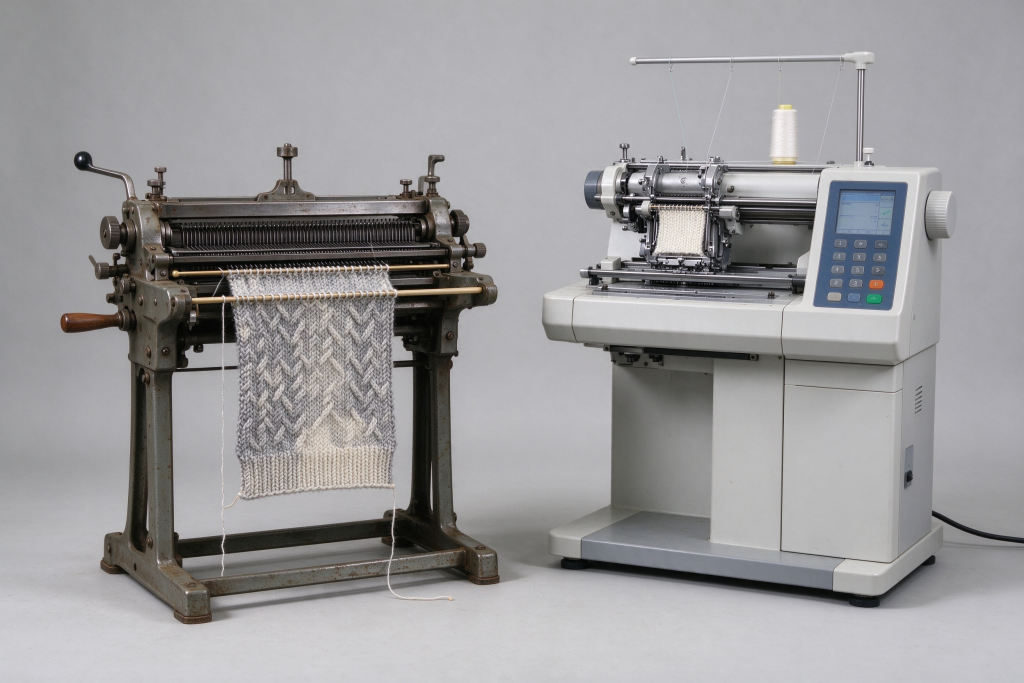
According to the historical account commonly associated with the industry, in 1976, Puyuan Cotton Processing Cooperative purchased three manual flat knitting machines and began producing sweaters made from bulky fibers and polypropylene yarns. This marked an important early stage in the development of Puyuan’s modern wool sweater industry.
Following China’s reform and opening-up, local knitting workshops and individual processors expanded. As production increased, specialized trading markets developed alongside manufacturing, creating closer links between sweater production and wholesale distribution.
Over time, knitting equipment, production expertise, professional markets, and supporting services became increasingly concentrated in the region.
The development of Puyuan illustrates an important feature of an industrial cluster: its strength comes not only from the number of manufacturers, but also from the accumulated production experience and supporting resources that connect different stages of the supply chain.
2. What Are the Main Advantages of Puyuan’s Knitwear Industry?
2.1 A Concentrated Knitwear Supply Chain
Knitwear manufacturing involves several connected stages, including yarn sourcing, knitting, linking, sewing, washing, finishing, quality inspection, packaging, and logistics.
In a mature industrial cluster, related businesses and services operate within a relatively concentrated area. This creates opportunities for cooperation and gives buyers access to a wider range of supply chain resources.
For international apparel buyers, this can be useful when developing multiple styles or coordinating different product requirements.
However, the overall strength of an industrial cluster does not guarantee that every factory offers the same capabilities. Buyers should still assess individual manufacturers based on the required knit structure, garment complexity, order quantity, quality standards, and production arrangements.
2.2 Experience in Different Knitwear Constructions
Sweaters may appear simple, but different styles can require very different manufacturing approaches.
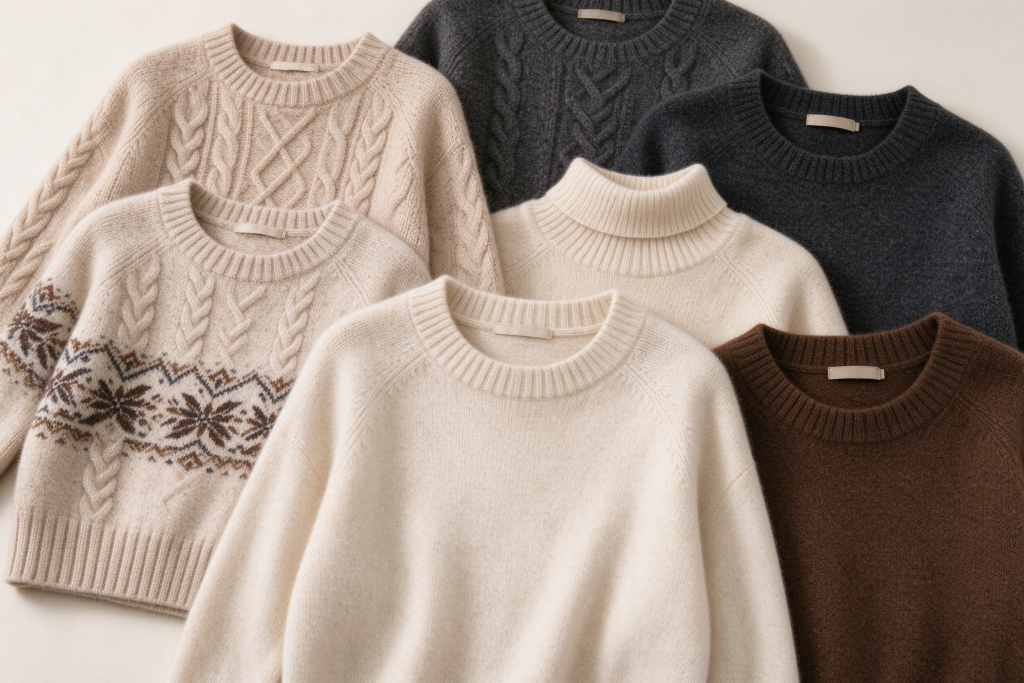
Crewneck pullovers, V-neck sweaters, cardigans, cable-knit designs, jacquard patterns, ribbed garments, and textured knitwear all involve specific construction and production considerations.
A manufacturer’s experience is valuable when translating a design concept into a garment that can be produced consistently.
For overseas brands, the key question is not simply how many styles a factory can offer. It is whether the manufacturer can understand the product brief, confirm construction details, develop an appropriate sample, and reproduce the approved specifications during bulk production.
2.3 Close Connections Between Manufacturing and Trade
Puyuan’s development has been closely connected to professional wholesale markets. These markets help bring together manufacturers, buyers, products, and supporting businesses.
As apparel sourcing practices evolve, product development, design communication, digital product presentation, and brand collaboration are becoming increasingly important alongside traditional trading activities.
For buyers developing their own brands, ready-made sourcing and OEM manufacturing serve different purposes.
Ready-made sourcing can suit buyers looking for existing styles. OEM manufacturing is more appropriate when a brand needs garments developed according to its own designs, specifications, branding, and production requirements.
2.4 Digitalization and Supply Chain Coordination
Digital tools are changing how knitwear products are presented, sourced, and developed.
Online product information and digital communication can help buyers review styles, share reference images, exchange technical documents, and discuss development requirements across different countries.
However, digital communication alone cannot replace physical sample evaluation and clear production standards.
Before bulk production begins, buyers and manufacturers should establish a shared understanding of garment measurements, colors, knit construction, weight, finishing, labels, and packaging requirements.
Clear documentation helps reduce misunderstandings and provides a reference for production inspection and future repeat orders.
3. Emerging Trends in Puyuan’s Wool Sweater Industry
3.1 From Processing to Product Development
Traditional knitwear manufacturing often focused on processing orders, producing established styles, and meeting price requirements.
Today, many fashion brands require manufacturers to participate more closely in product development.
This includes interpreting technical packs, reviewing design details, confirming construction feasibility, developing samples, and adjusting garments according to buyer feedback.
For brands launching new collections, a manufacturer’s development process can be as important as its production equipment.
A well-managed sampling stage helps identify issues before bulk manufacturing and creates a clearer standard for the finished product.
3.2 From Ready-Made Wholesale to Brand Collaboration
Ready-made wholesale remains useful for buyers seeking existing products, but brands developing distinctive collections often need greater control over design and specifications.
OEM and private-label projects can involve custom silhouettes, knit patterns, colors, labels, hangtags, and packaging.
This shift places greater emphasis on communication between buyers and manufacturers. The manufacturer needs to understand the intended product, confirm the technical details, and establish a practical route from development to production.
For knitwear manufacturers, long-term competitiveness increasingly depends on the ability to support customers’ product requirements rather than relying solely on ready-made styles.
3.3 Digital Tools Supporting Procurement
Digital product displays, technical documents, and online communication make it easier for overseas buyers to review manufacturing options and initiate development discussions.
These tools can improve the exchange of information, but the reliability of a supplier still needs to be assessed through relevant evidence.
Buyers should review sample garments, confirm production standards, understand the manufacturer’s actual capabilities, and establish clear procedures for handling revisions and quality issues.
Digitalization is most useful when it improves communication and makes product requirements easier to track throughout the manufacturing process.
3.4 From One-Time Orders to Long-Term Partnerships
Knitwear brands often develop several collections each year while continuing to reorder established products.
When specifications are poorly documented or production standards change between orders, buyers may face additional sampling, inspection, and communication costs.
Long-term manufacturing cooperation therefore depends on more than completing an individual order.
Consistent specifications, effective sample approval, clear quality requirements, and organized production records help establish a more reliable basis for future development and repeat orders.
4. How Should Overseas Brands Choose a Knitwear OEM Manufacturer?
A mature industrial cluster offers buyers many sourcing options, but not every supplier is suitable for every project.
Before choosing a knitwear manufacturer, buyers should evaluate the following areas.
Product Development Capability
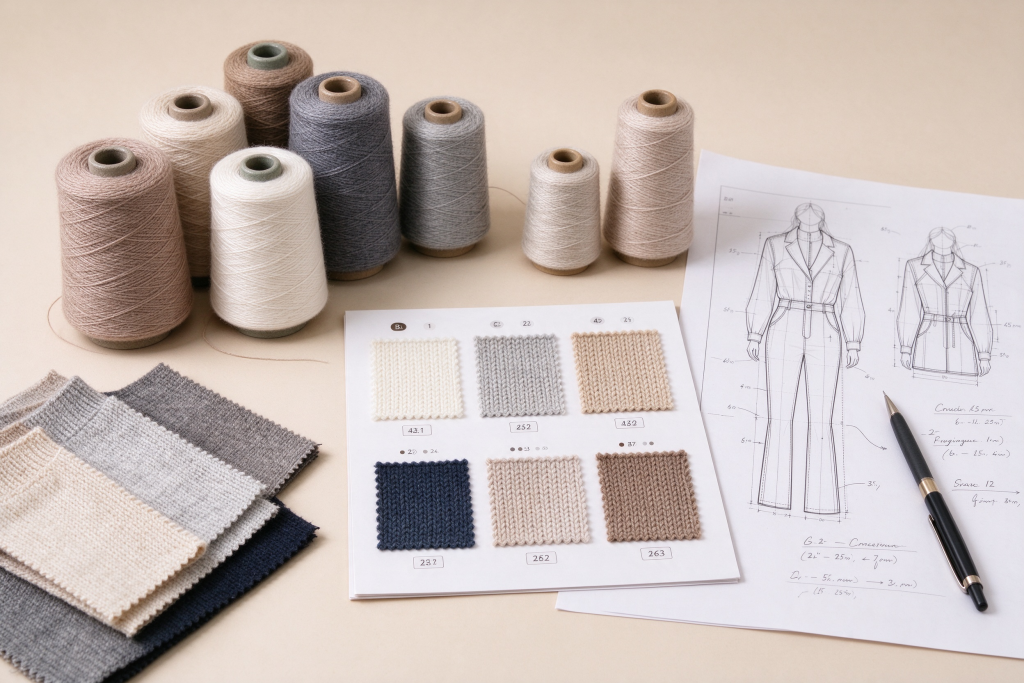
Can the manufacturer work from a technical pack, design sketch, reference photograph, or physical sample?
Can it discuss knit structures, measurements, garment weight, finishing, and other details before sampling begins?
Sample Approval Process
A sample should be evaluated against the buyer’s requirements, including appearance, fit, dimensions, color, weight, handfeel, and construction.
Any revisions should be documented and confirmed before the approved sample becomes the reference for bulk production.
Production and Quality Control
Buyers should understand how the manufacturer manages knitting, linking, sewing, washing, finishing, inspection, and packing.
The specific production process will depend on the garment design and construction. Quality requirements should therefore be agreed upon for each project rather than assumed to be identical across all products.
Branding and Customization
For private-label projects, buyers may require custom woven labels, care labels, hangtags, branded accessories, and packaging.
These details should be discussed early enough to confirm feasibility and coordinate them with the production schedule.
Order Quantity and Production Planning
Minimum order quantities can vary according to the style, color options, yarn, knit structure, and manufacturing requirements.
Buyers should provide an estimated quantity and the number of styles and colors when requesting a quotation. This helps the manufacturer assess the project and propose a suitable production arrangement.
5. KAIDA Apparel: Knitwear OEM and ODM Manufacturing in Tongxiang
Jiaxing Kaida Apparel Co., Ltd. is located in Tongxiang, Jiaxing City, Zhejiang Province, within China’s established knitwear manufacturing region.
The company focuses on knitwear OEM and ODM development and manufacturing for overseas fashion brands, wholesalers, and private-label customers.
Rather than focusing only on ready-made styles, KAIDA supports projects based on buyer-provided technical packs, design sketches, reference photographs, and physical samples.
Development Based on Buyer Requirements
During product development, key details such as knit construction, sizing, colors, garment weight, and finishing requirements can be reviewed according to the project.
The sampling process gives buyers an opportunity to evaluate the garment and request adjustments before approving the production standard.
A Range of Knitwear Constructions
KAIDA’s knitwear development scope includes sweaters, cardigans, and customized designs featuring cable-knit, jacquard, ribbed, and other textured constructions.
The final production approach depends on the design, selected materials, required specifications, and order details.
From Approved Samples to Bulk Production
Once a sample is approved, the relevant product specifications should be clearly communicated for bulk manufacturing.
This includes the agreed garment measurements, construction details, colors, finishing requirements, labels, and packaging.
Maintaining these records helps align production with the approved sample and provides a useful reference for future repeat orders.
Support for Different Buyer Requirements
Different customers have different purchasing plans. Emerging brands may begin with a trial order, while established businesses may develop multiple styles for seasonal collections.
KAIDA’s typical minimum order quantity is approximately 100–200 pieces per style, depending on the garment, colors, yarn, and construction complexity. Buyers should confirm the specific MOQ for each project.
For more information about the company’s capabilities and services, visit the KAIDA Apparel website.
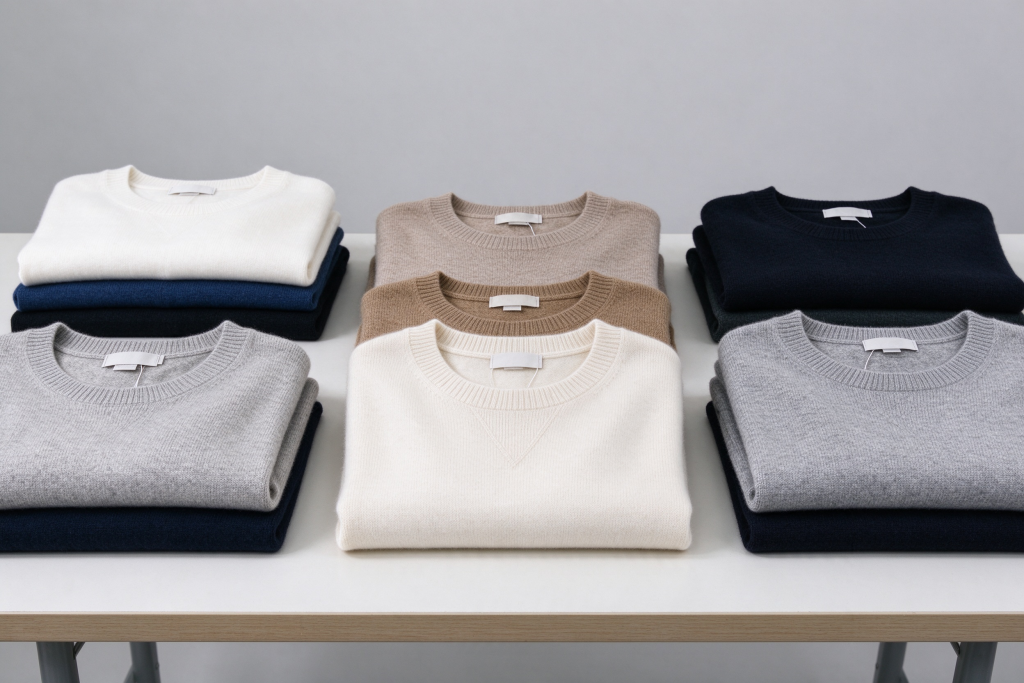
6. How to Start a Knitwear Manufacturing Project
For brands planning a new sweater or knitwear collection, a structured development process can help reduce uncertainty.
Step 1: Share the product requirements.
Prepare a technical pack, design sketches, reference photographs, or a physical sample. Include the target quantity, colors, sizing requirements, and intended market.
Step 2: Review the development details.
Discuss the garment design, knit construction, measurements, colors, finishing, and other specifications with the manufacturer.
Step 3: Develop and evaluate samples.
Review the sample for appearance, fit, dimensions, color, weight, handfeel, and construction. Record any required revisions.
Step 4: Confirm the production standard.
Approve the final sample and confirm the relevant product specifications, quality requirements, labels, and packaging details.
Step 5: Proceed with bulk production.
Manufacturing and inspection should follow the agreed requirements. Retaining product records also helps support future development and repeat orders.
A clear workflow gives both the buyer and manufacturer a common reference throughout the project.
Conclusion
Puyuan’s wool sweater industry demonstrates how manufacturing experience, supporting services, professional trading markets, and accumulated technical knowledge can contribute to the development of a knitwear industrial cluster.
For overseas fashion brands, access to an established manufacturing region is only one part of successful sourcing. The choice of individual supplier, quality of sample development, clarity of product specifications, and consistency of bulk production remain important considerations.
Jiaxing Kaida Apparel Co., Ltd. focuses on knitwear OEM and ODM development and manufacturing in Tongxiang, Zhejiang. By working from buyer requirements and coordinating product development with bulk manufacturing, KAIDA supports brands seeking a manufacturing partner for customized knitwear collections.
If your brand is planning a new sweater or knitwear project, visit KAIDA Apparel to learn more about its manufacturing services and discuss your requirements.